Beyond the Surface
Look closer.
Think further.
Essays exploring systems, culture, creative work and lived experience.
Some begin with a public problem. Others begin with something small that refuses to leave me alone. This is where I follow those threads and look at what holds them together.
Latest entry / 19 August 2026
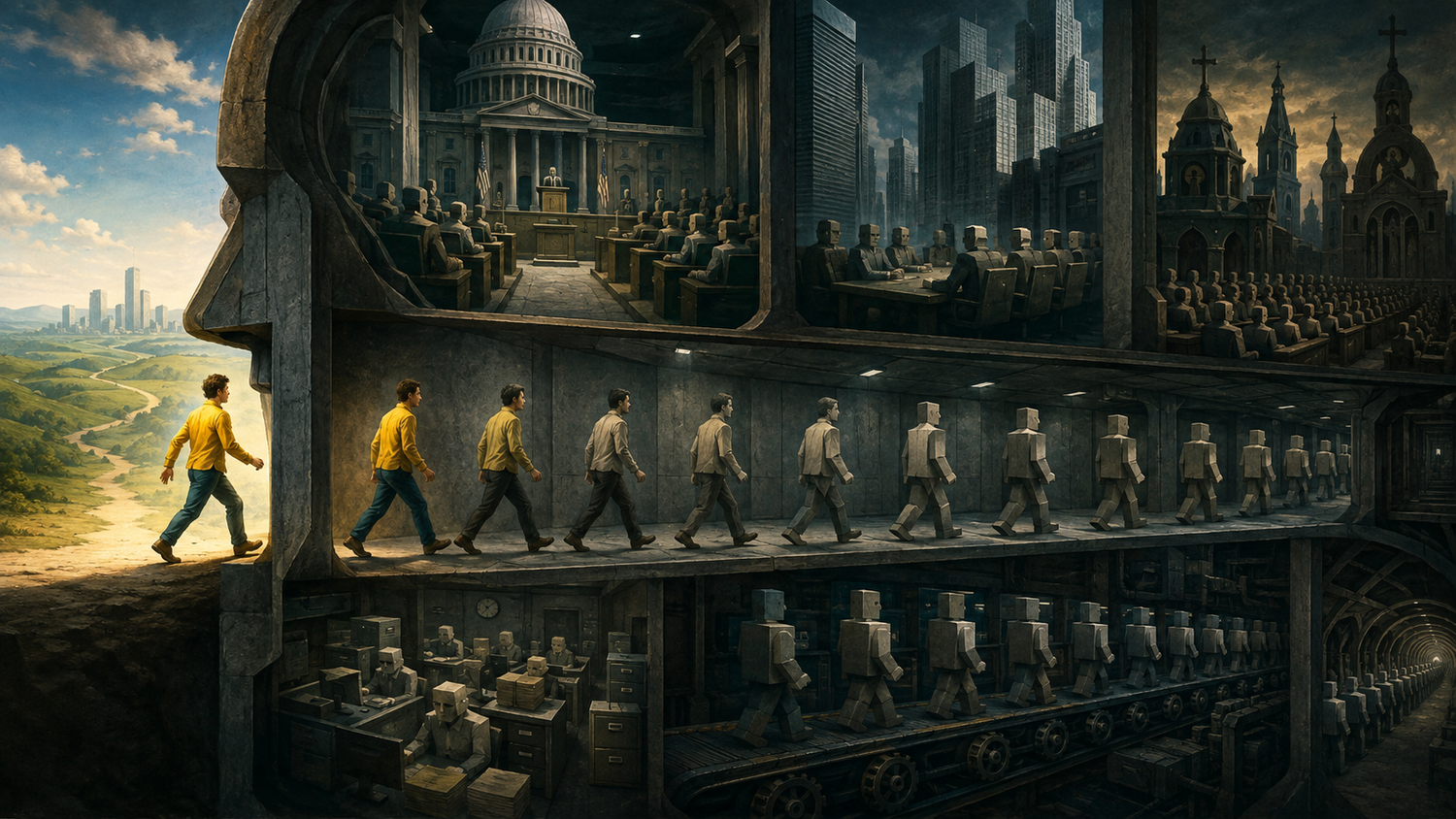
How Change Gets Swallowed
Change is sometimes welcomed, reshaped and absorbed by the system it set out to change. This essay examines how that happens—and what helps a new idea retain its purpose.
Follow a thread.
Read by date. Search a phrase. See what connects.
42 entries
How Change Gets Swallowed
Change does not always fail because it is rejected. Sometimes it is welcomed, reshaped and slowly absorbed until it begins operating through the same assumptions it was introduced to change. This paper explores how that happens, why the pattern is so persistent, and what it takes for something genuinely new to survive contact with an existing system.
Medication Must Never Become a Substitute for Understanding
Medication can have a role in care, but it must never replace the work of understanding. When systems suppress visible distress without investigating the story, injury, trauma, environment, and circumstances behind it, intervention can reduce agency rather than restore it.
The Future Rarely Looks Familiar at First
Societies often say they want new answers, but many still expect those answers to look familiar. This paper explores how culture filters unfamiliar solutions, why persistent problems reveal the limits of existing frames, and how civilisations expand when they learn to recognise value before familiarity arrives.
The Patience to Keep Looking
Patience is not passive. It is the capacity to keep looking long enough for understanding to become possible. When societies lose that capacity, they begin sorting people into competing platforms of worth, belonging, and exclusion — weakening the momentum required for long-term development.
Why Societies Produce the Very Dysfunction They Fear
Much of what societies classify as dysfunction is often untapped contribution with nowhere to go. This paper explores how exclusion, rigid systems, and blocked participation pathways can unintentionally generate the very instability modern civilisation fears most.
When Approval Takes Longer Than Construction: The Real Cause of the Housing Bottleneck
When approvals take longer than construction, the issue isn’t building — it’s system design. This article explores the real cause of housing delays and how coordinated systems change the outcome.
When Systems Can’t Keep Up: Bridging the Gap Between Vision and Delivery
The issue isn’t ambition — it’s translation. This article explores why systems struggle to deliver large-scale ideas and how new models bridge the gap between vision and execution.
How Systems Accumulate Pressure
An analysis of how pressure forms within systems, how it is expressed through dysfunction, and why meaningful change requires structural alignment rather than surface-level reform.
Why Reform Fails Without Architecture
An exploration of why reform alone cannot fix broken systems, and how true progress depends on architecture that restores balance, cohesion, and capacity across society.
The Pressure Between the Establishment and the Punters
Modern systems often pit institutions against the public, when in reality both operate under immense pressure. This piece explores how a new model can redistribute that pressure and create alignment between the establishment and the people it serves.
The People the System Finds Inconvenient
Many public systems work well for predictable lives but struggle with human complexity. The individuals labelled “too difficult” often reveal where our frameworks fail — and where the next generation of systems must evolve.
The Cost of Assumption
Modern systems reward speed and certainty, but assumption often replaces observation. When institutions act on projection instead of truth, errors compound and trust collapses.
Pipelines of Possibility
Money already exists. What humanity lacks are the systems that allow it to flow. This article explores how new financial and cultural pipelines could unlock opportunity for everyone.
The Path of Oneness
What if many of humanity’s conflicts come from forgetting how connected we truly are? The Path of Oneness explores how moving from judgment to compassion can reshape how individuals and societies grow.
The Great Interchange
Innovation rarely happens inside isolated lanes. The Great Interchange explores how connecting culture, business, and creativity unlocks new pathways for collaboration and progress.
Do You Really Want to Be Another Dog in a Dog-Eat-Dog World?
Modern ambition is often shaped by the assumption that survival depends on ruthless competition. This article explores the deeper consequences of that belief — and the possibility of designing more intelligent pathways for progress.
Seeing Through the Damage: Why “Bad People” Aren’t What We Think
What if the people we call “bad” are simply individuals buried beneath trauma? Looking beyond behaviour reveals the deeper human story — and the possibility of healing, contribution, and stronger communities.
The Weight and the Wonder: Rebalancing What It Means to Care
When responsibility becomes synonymous with pressure, participation declines. This article explores how balancing effort with fulfilment can reshape cultural resilience.
The Kind of Environment That Makes People Brave
True courage doesn’t emerge from pressure or perfection. It grows in environments designed to protect people while they develop. When safety is structural rather than conditional, individuals move from survival into contribution.
Does Everyone Fit Here?
Modern systems often claim to be inclusive, yet many are built on assumptions that filter human complexity. What happens to those who don’t fit the template?
Run Toward the Storm: The Counterintuitive Path to Resolution
True growth begins when we stop avoiding discomfort and start understanding it. Engaging with life’s challenges directly builds resilience, clarity, and the capacity to create lasting transformation.
We Don't Need More Heroes — We Need More Gardeners
What if many of the people we judge as difficult, delayed, or disengaged were simply never given the right conditions to grow? This piece argues for a more life-giving culture — one built by gardeners, not just heroes.
What Are We Really Building Toward?
What we build is shaped by why we build it. When ambition expands beyond survival and validation, progress becomes infrastructure for future generations rather than a temporary personal win.
When the System Says: “That’s Not My Problem”
When housing conflicts fall between institutional responsibilities, the system often steps aside. This article explores how quiet structural gaps leave individuals navigating problems alone.
The Ones We Gave Up On
Developmental delay is often treated as personal failure, yet it frequently reflects systemic shortcomings. Reinvesting in overlooked potential is critical for sustainable societal growth.
Feeding the Sky: Stewardship That Returns Energy to the Region
How distributed acts of ecological care can function as stabilising civic infrastructure — shaping emotional resilience, cultural identity, and regional vitality.
The Models We Build, The Pearls We Shape
Cultural transformation is not driven by vision alone but by the frameworks that structure participation and growth. This article explores how systemic architecture determines whether societies stagnate or evolve.
Open Doors, Shift Culture
Small acts of enabling others can generate large-scale cultural movement. This article explores how participation frameworks transform isolated effort into systemic evolution.
Reclaiming the Force We Call Love
When societies measure value only through performance, human potential quietly erodes. This piece examines how structural care — often dismissed as sentiment — is actually a foundational force in building resilient, adaptive civilisations.
It’s Not More Consequences We Need—It’s More Connection
Reactive systems are becoming better at enforcing behaviour while losing the ability to sustain connection. Long-term stability depends less on consequence and more on relational infrastructure.
Windland™ Rising
Windland™ is an active regional development initiative integrating identity, infrastructure, and economic strategy. It demonstrates how narrative coherence and experiential design can position regional environments as globally relevant systems.
The Collective Catalyst: Transforming Individual Needs into Unified Power
True transformation is rarely individual. This article examines how interdependence, communication systems, and cultural reframing unlock the collective potential required for societal progress.
Principles Don’t Fall When the World Does
In times of rapid change, principled frameworks provide the stability needed for enduring human systems. This article examines how foundational principles shape civilisational resilience.
The Architecture of Convergence
Meaningful transformation rarely begins in public view. Real progress emerges in environments designed for alignment, where complexity can be addressed without distortion and influence becomes responsibility.
Ignore the Plebs, Collapse the Civilisation
Civilisations endure when human potential is structurally integrated. They collapse when populations are ignored. This analysis explores dignity as a systems variable rather than a moral abstraction.
The Cost of Premature Judgement
Premature judgment feels efficient, but it often becomes a structural liability. This essay explores how early assumptions distort leadership, weaken culture, and lock organisations into fragile decisions.
Breaking the Cycle of Mistreatment & Betrayal
Mistreatment and betrayal are often symptoms of deeper systemic deficiencies. This essay explores how punishment-first cultures unintentionally reproduce harm and how structured development can interrupt the cycle.
Why More Money Won’t Solve Anything—But More Wisdom Will
More money often intensifies existing dysfunction rather than solving it. This essay examines how wisdom, culture, and systemic design shape sustainable economic success.
Why Systems Must Earn the Right to Scale
Rapid expansion can weaken institutions that lack structural readiness. This essay explores how credibility, governance discipline, and long-horizon design determine sustainable scale.
How Economic Capacity Is Built — Not Announced
Sustainable economic growth is not driven by isolated projects but by coherent systems. This essay explores how productivity, governance, and infrastructure shape long-term capacity.
When Vision Expands Beyond Its Origin
The most transformative visions evolve beyond individual intent to become structural forces. This essay explores how integration and systemic coherence shape long-term societal progress.
A Month of Growth: New Projects, Vision, and What’s Ahead
An inside look at recent production projects, structural platform refinement, and the evolving strategic direction shaping future initiatives.
No entries match. Try another phrase or reset the filters.
The other side of the work
See where the thinking goes.
Field Notes documents the work behind the ideas: what I’m developing, the decisions shaping it, and the steps from concept to practice.
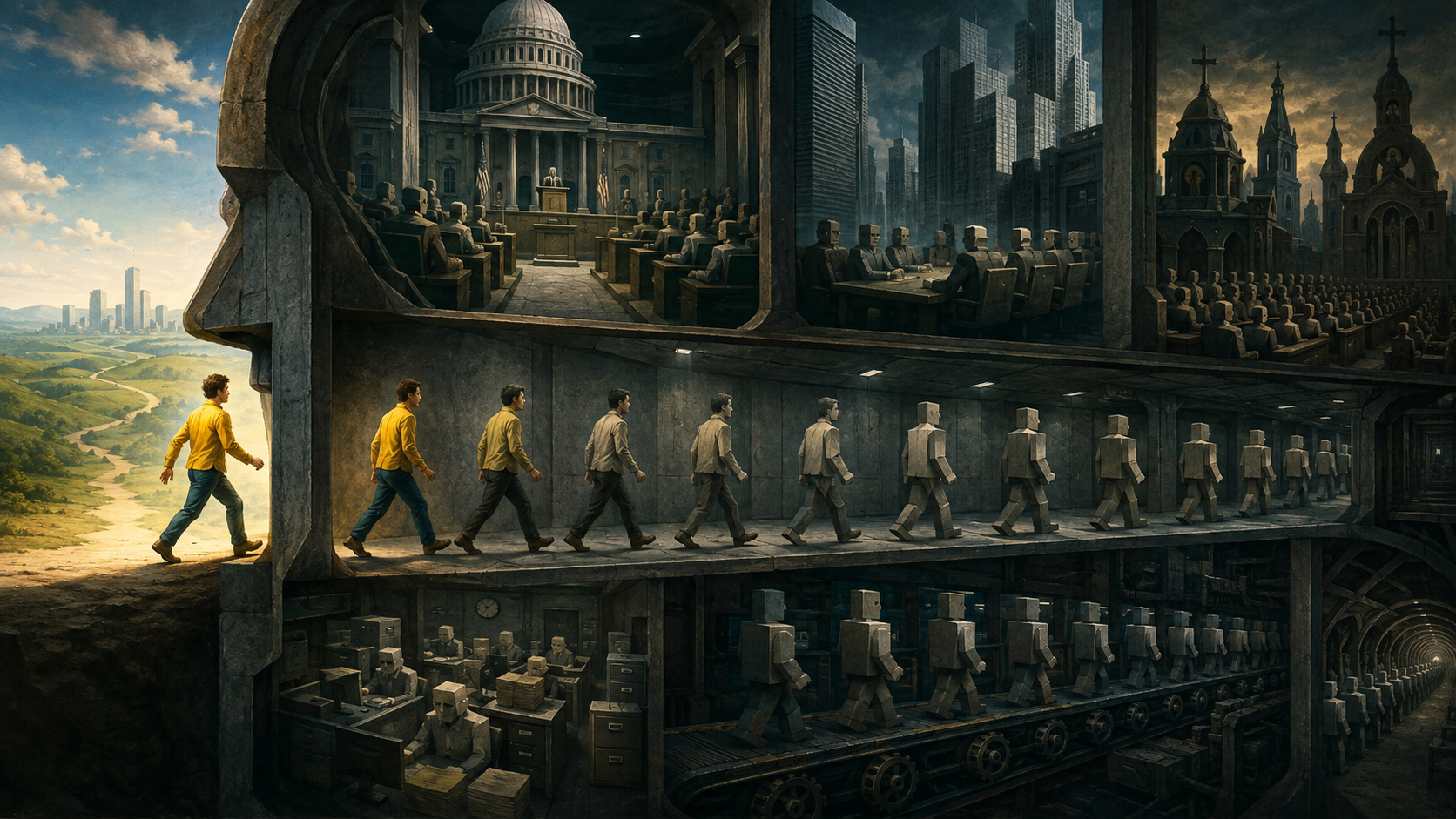
How Change Gets Swallowed
Change does not always fail because it is rejected. Sometimes it is welcomed, reshaped and slowly absorbed until it begins operating through the same assumptions it was introduced to change. This paper explores how that happens, why the pattern is so persistent, and what it takes for something genuinely new to survive contact with an existing system..
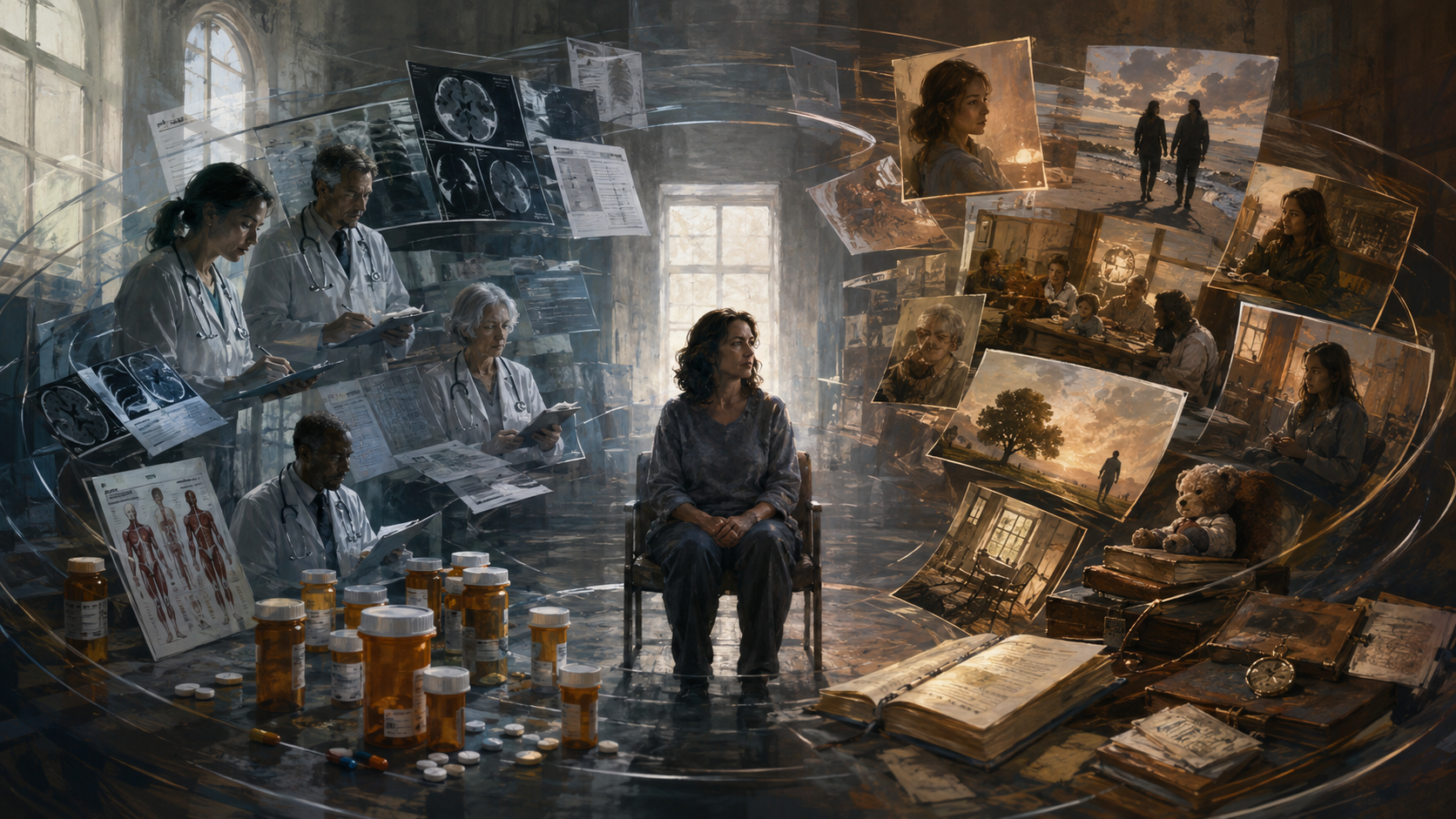
Medication Must Never Become a Substitute for Understanding
Medication can have a role in care, but it must never replace the work of understanding. When systems suppress visible distress without investigating the story, injury, trauma, environment, and circumstances behind it, intervention can reduce agency rather than restore it.
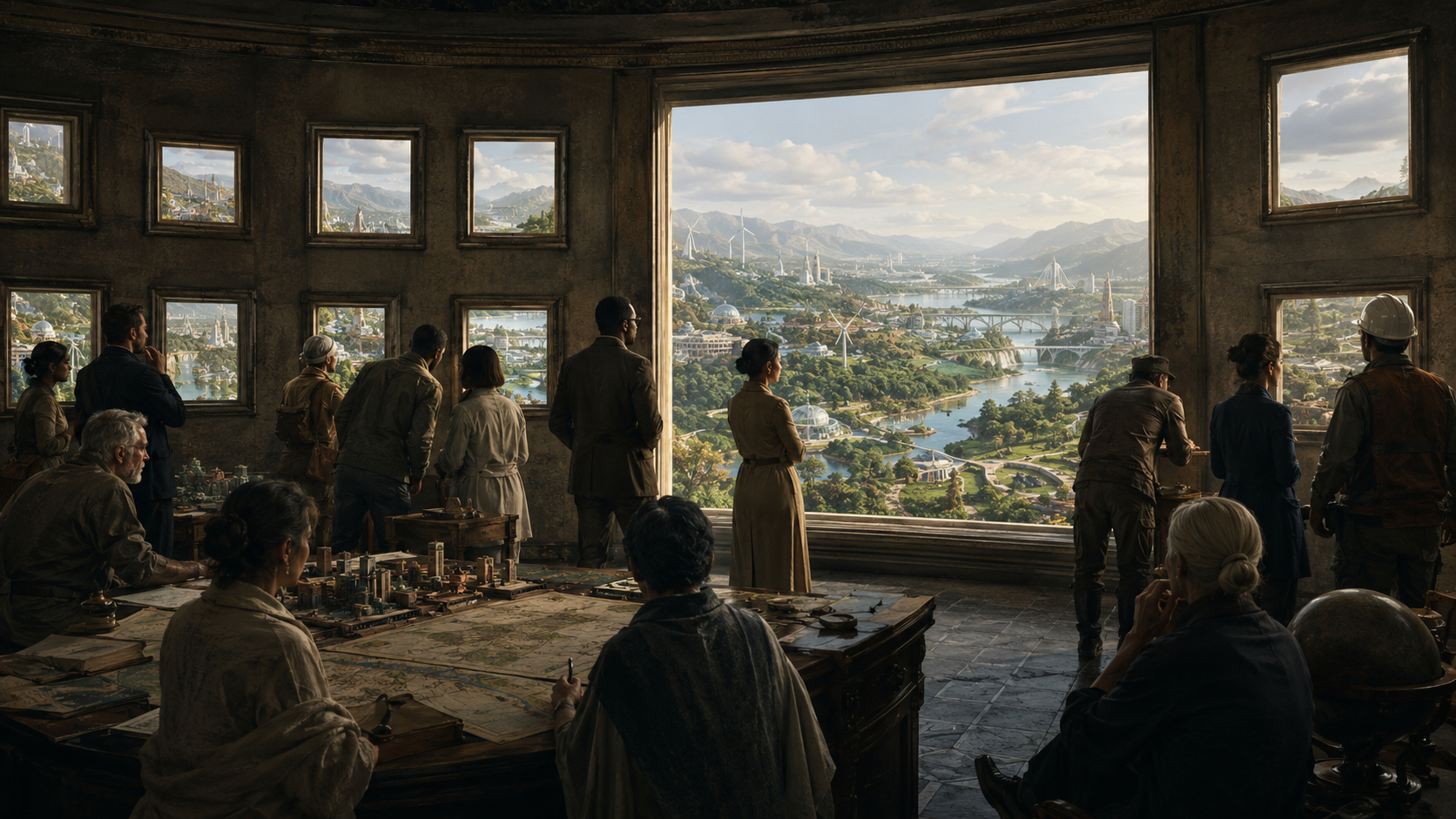
The Future Rarely Looks Familiar at First
Societies often say they want new answers, but many still expect those answers to look familiar. This paper explores how culture filters unfamiliar solutions, why persistent problems reveal the limits of existing frames, and how civilisations expand when they learn to recognise value before familiarity arrives.

The Patience to Keep Looking
Patience is not passive. It is the capacity to keep looking long enough for understanding to become possible. When societies lose that capacity, they begin sorting people into competing platforms of worth, belonging, and exclusion — weakening the momentum required for long-term development.
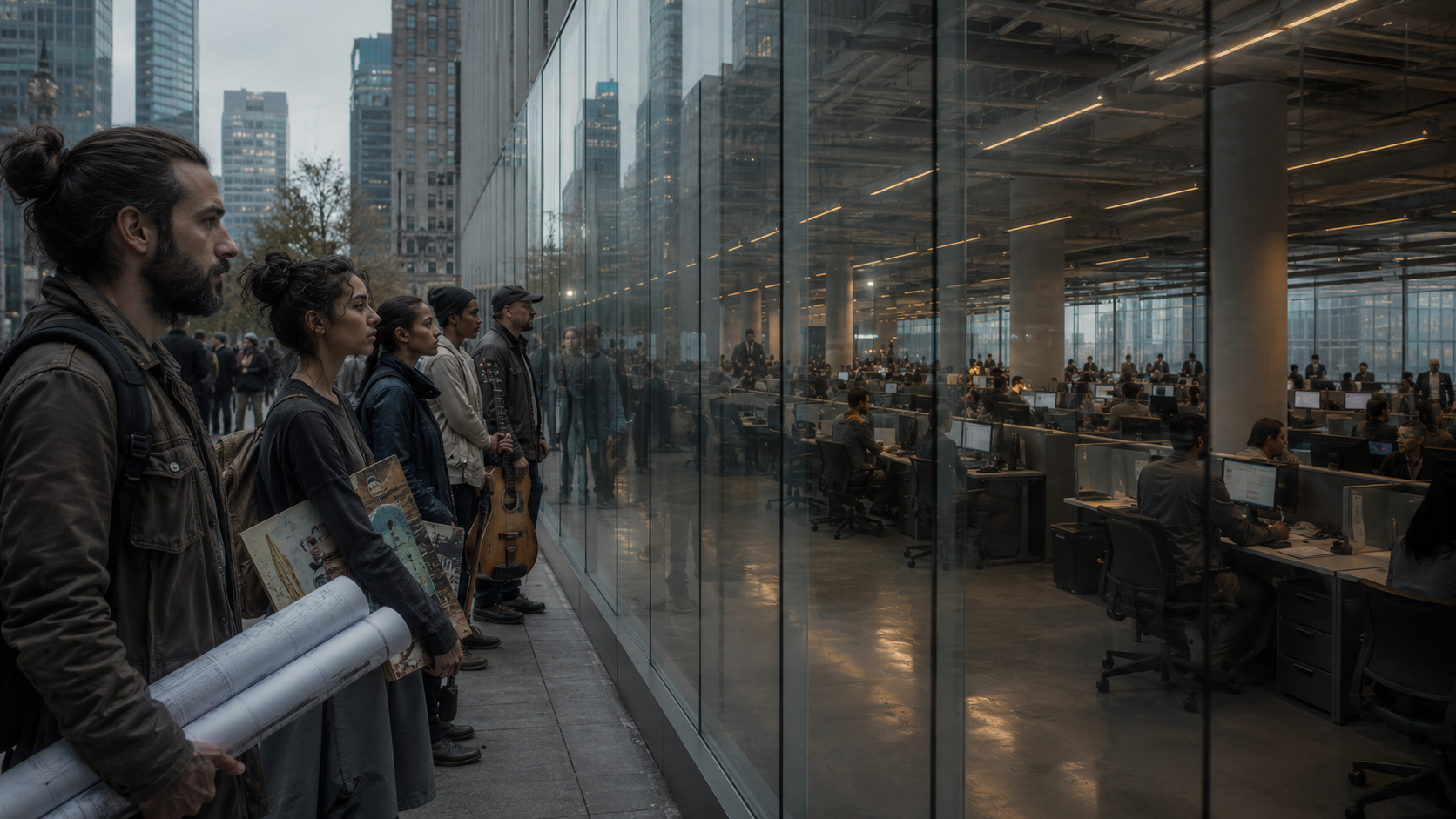
Why Societies Produce the Very Dysfunction They Fear
Much of what societies classify as dysfunction is often untapped contribution with nowhere to go. This paper explores how exclusion, rigid systems, and blocked participation pathways can unintentionally generate the very instability modern civilisation fears most.
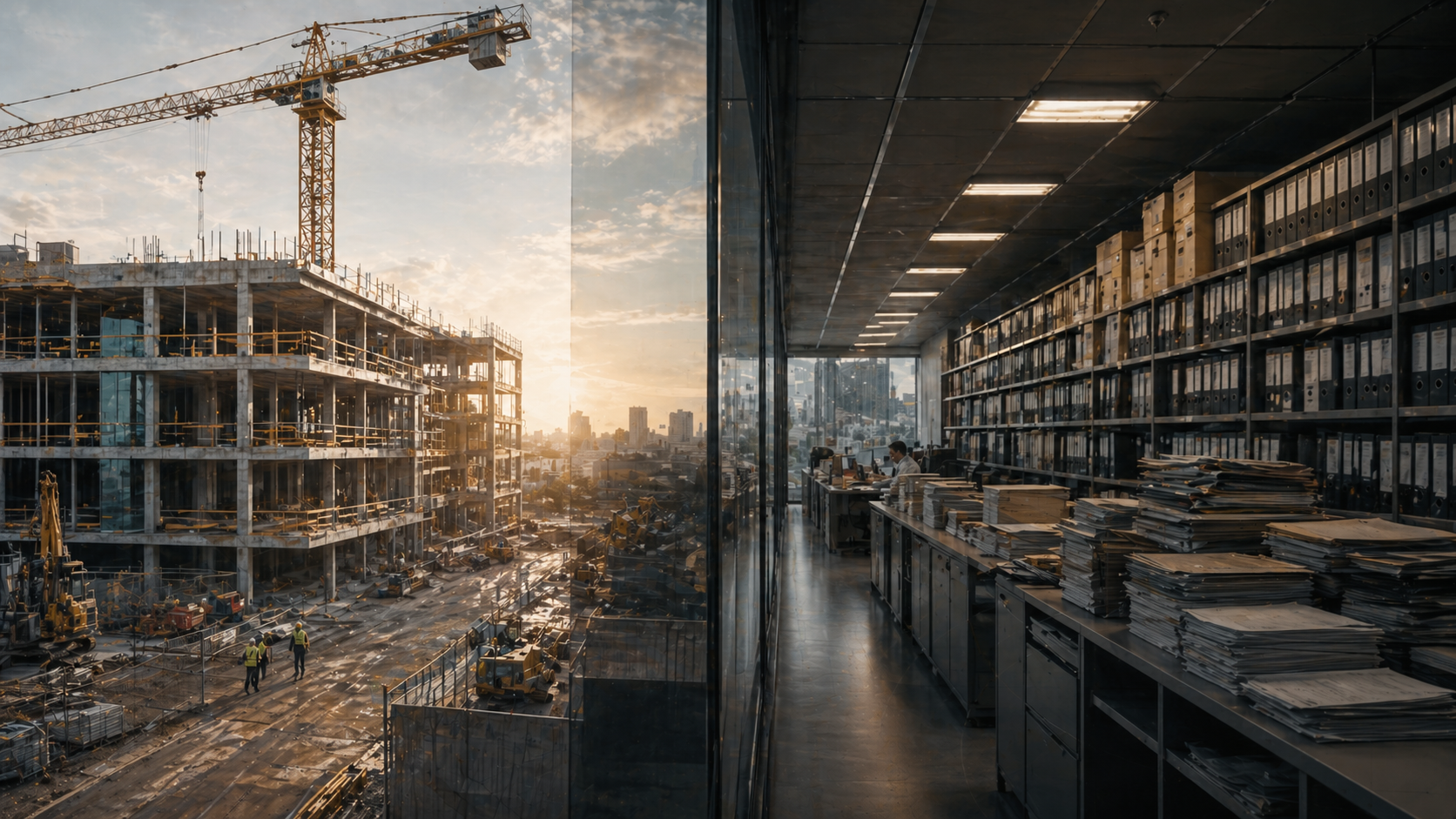
When Approval Takes Longer Than Construction: The Real Cause of the Housing Bottleneck
When approvals take longer than construction, the issue isn’t building — it’s system design. This article explores the real cause of housing delays and how coordinated systems change the outcome.
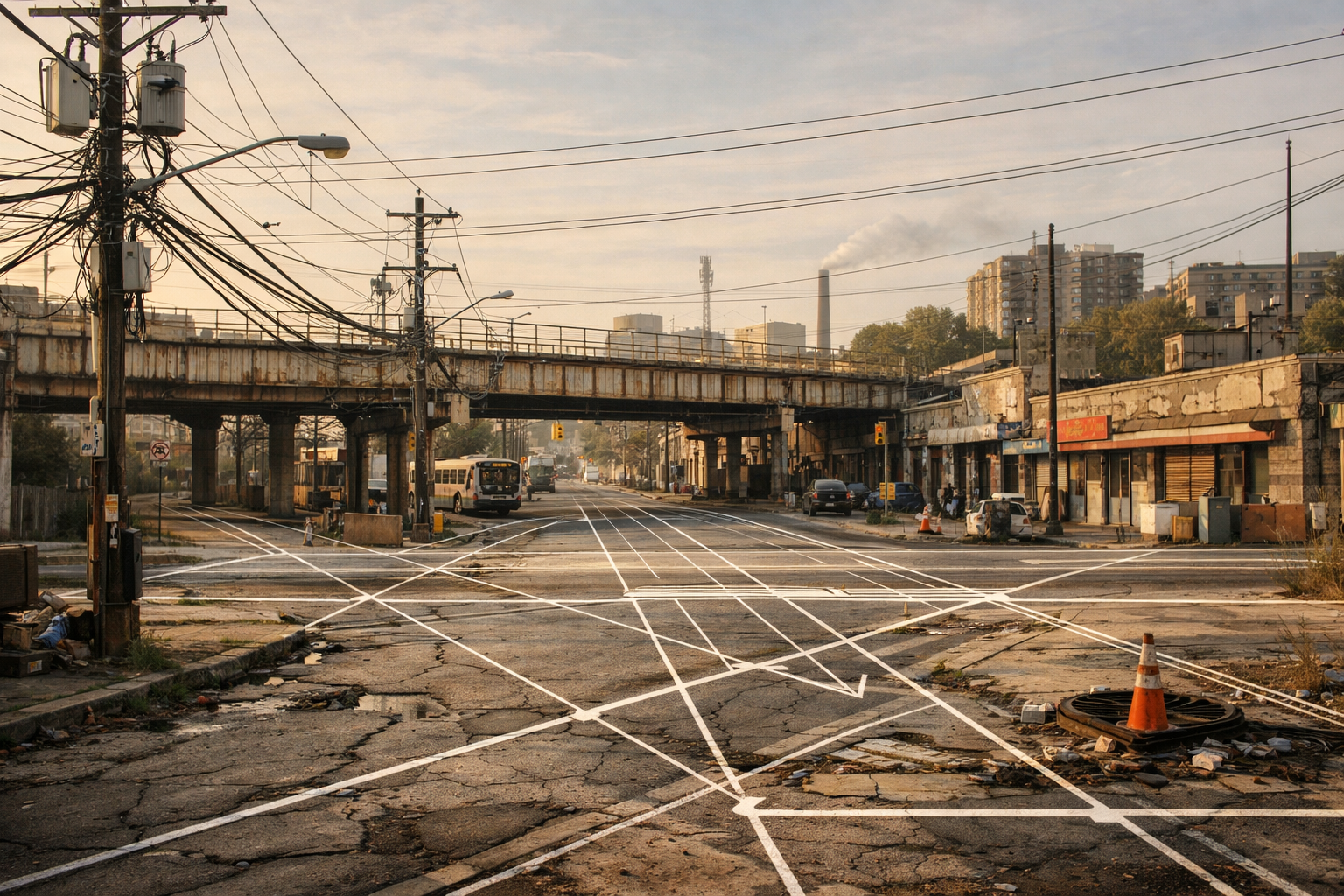
When Systems Can’t Keep Up: Bridging the Gap Between Vision and Delivery
The issue isn’t ambition — it’s translation. This article explores why systems struggle to deliver large-scale ideas and how new models bridge the gap between vision and execution.

How Systems Accumulate Pressure
An analysis of how pressure forms within systems, how it is expressed through dysfunction, and why meaningful change requires structural alignment rather than surface-level reform.

Why Reform Fails Without Architecture
An exploration of why reform alone cannot fix broken systems, and how true progress depends on architecture that restores balance, cohesion, and capacity across society.
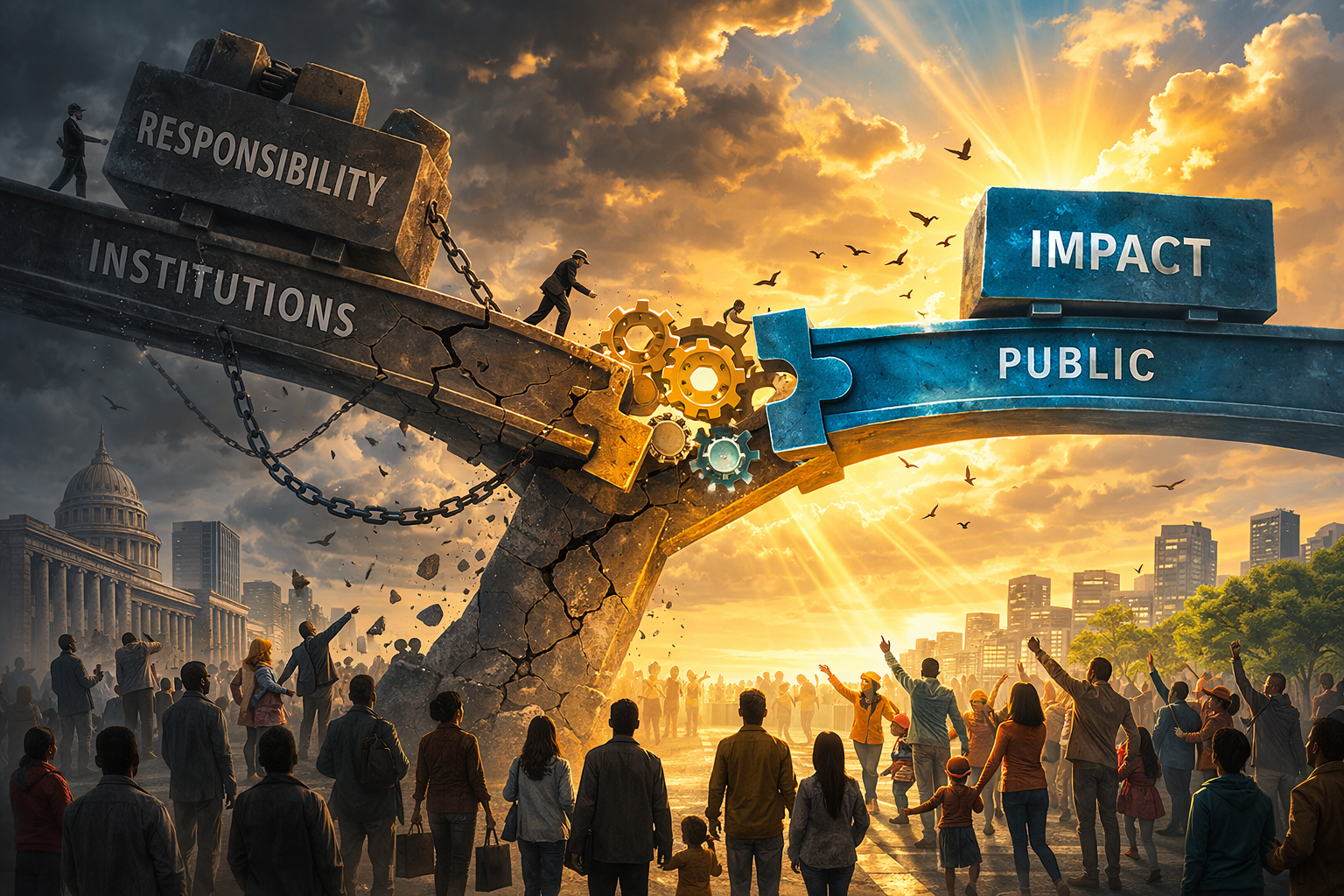
The Pressure Between the Establishment and the Punters
Modern systems often pit institutions against the public, when in reality both operate under immense pressure. This piece explores how a new model can redistribute that pressure and create alignment between the establishment and the people it serves.
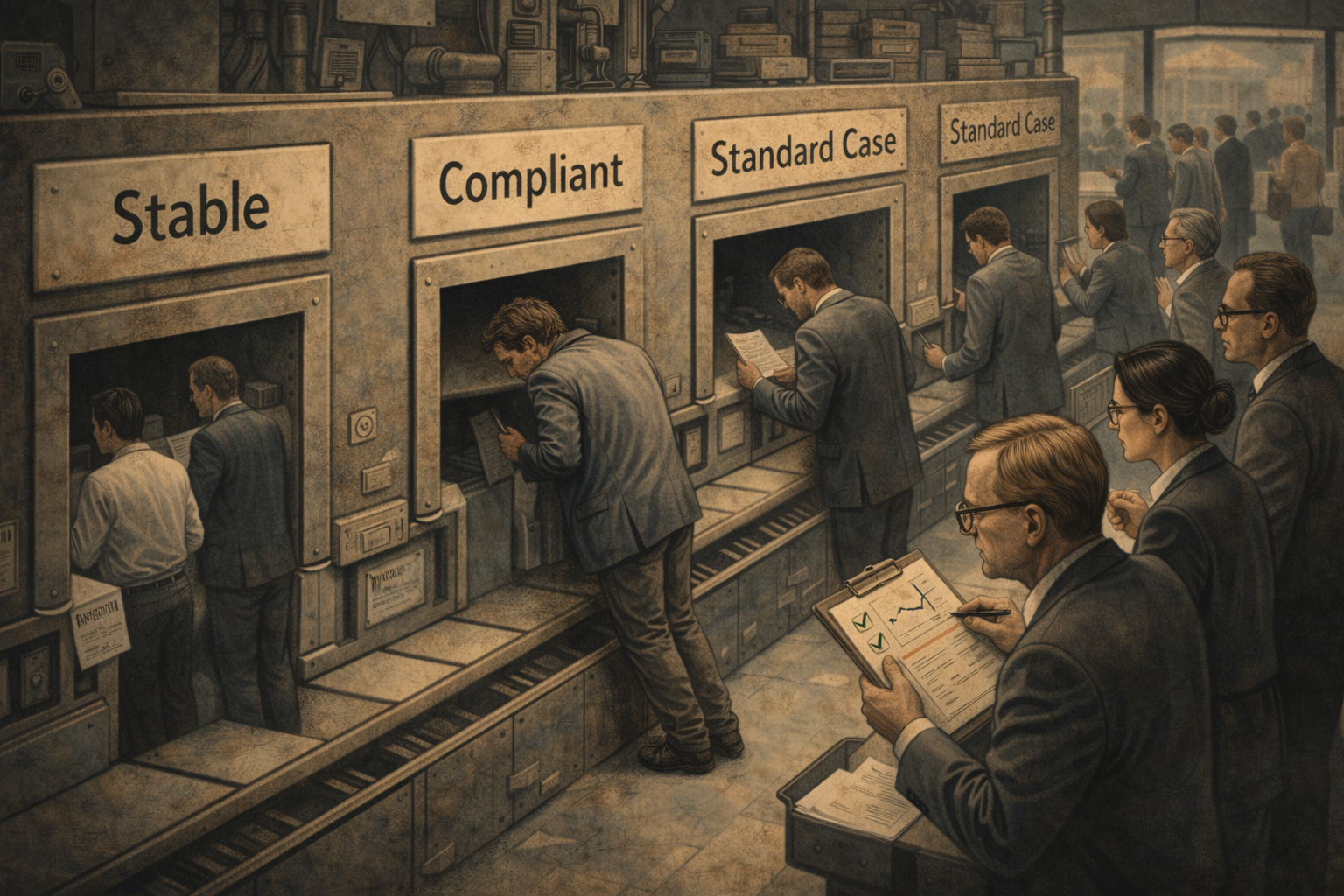
The People the System Finds Inconvenient
Many public systems work well for predictable lives but struggle with human complexity. The individuals labelled “too difficult” often reveal where our frameworks fail — and where the next generation of systems must evolve.

The Cost of Assumption
Modern systems reward speed and certainty, but assumption often replaces observation. When institutions act on projection instead of truth, errors compound and trust collapses.

Pipelines of Possibility
Money already exists. What humanity lacks are the systems that allow it to flow. This article explores how new financial and cultural pipelines could unlock opportunity for everyone.

The Path of Oneness
What if many of humanity’s conflicts come from forgetting how connected we truly are? The Path of Oneness explores how moving from judgment to compassion can reshape how individuals and societies grow.

The Great Interchange
Innovation rarely happens inside isolated lanes. The Great Interchange explores how connecting culture, business, and creativity unlocks new pathways for collaboration and progress.

Do You Really Want to Be Another Dog in a Dog-Eat-Dog World?
Modern ambition is often shaped by the assumption that survival depends on ruthless competition. This article explores the deeper consequences of that belief — and the possibility of designing more intelligent pathways for progress.

Seeing Through the Damage: Why “Bad People” Aren’t What We Think
What if the people we call “bad” are simply individuals buried beneath trauma? Looking beyond behaviour reveals the deeper human story — and the possibility of healing, contribution, and stronger communities.

The Weight and the Wonder: Rebalancing What It Means to Care
When responsibility becomes synonymous with pressure, participation declines. This article explores how balancing effort with fulfilment can reshape cultural resilience.
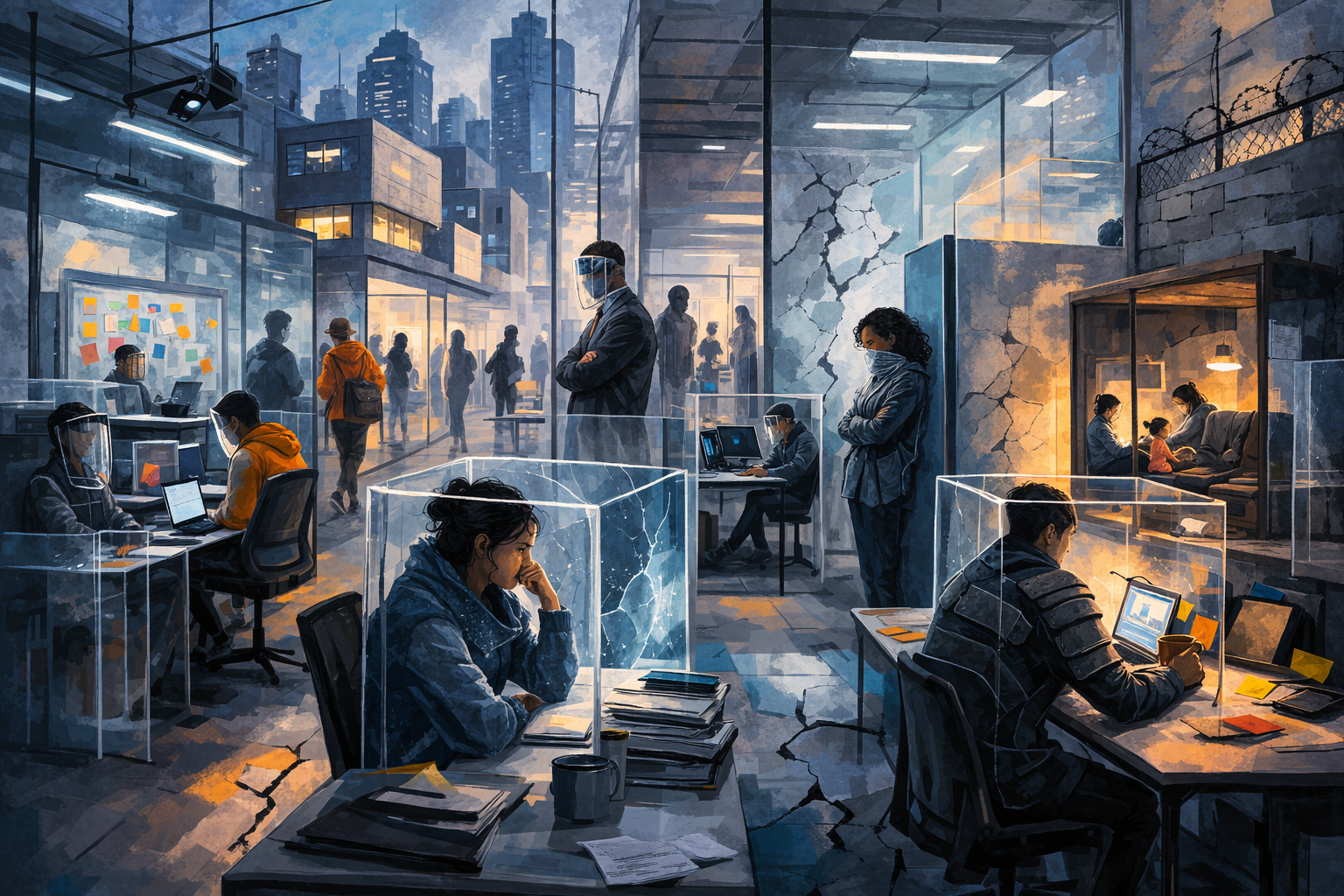
The Kind of Environment That Makes People Brave
True courage doesn’t emerge from pressure or perfection. It grows in environments designed to protect people while they develop. When safety is structural rather than conditional, individuals move from survival into contribution.
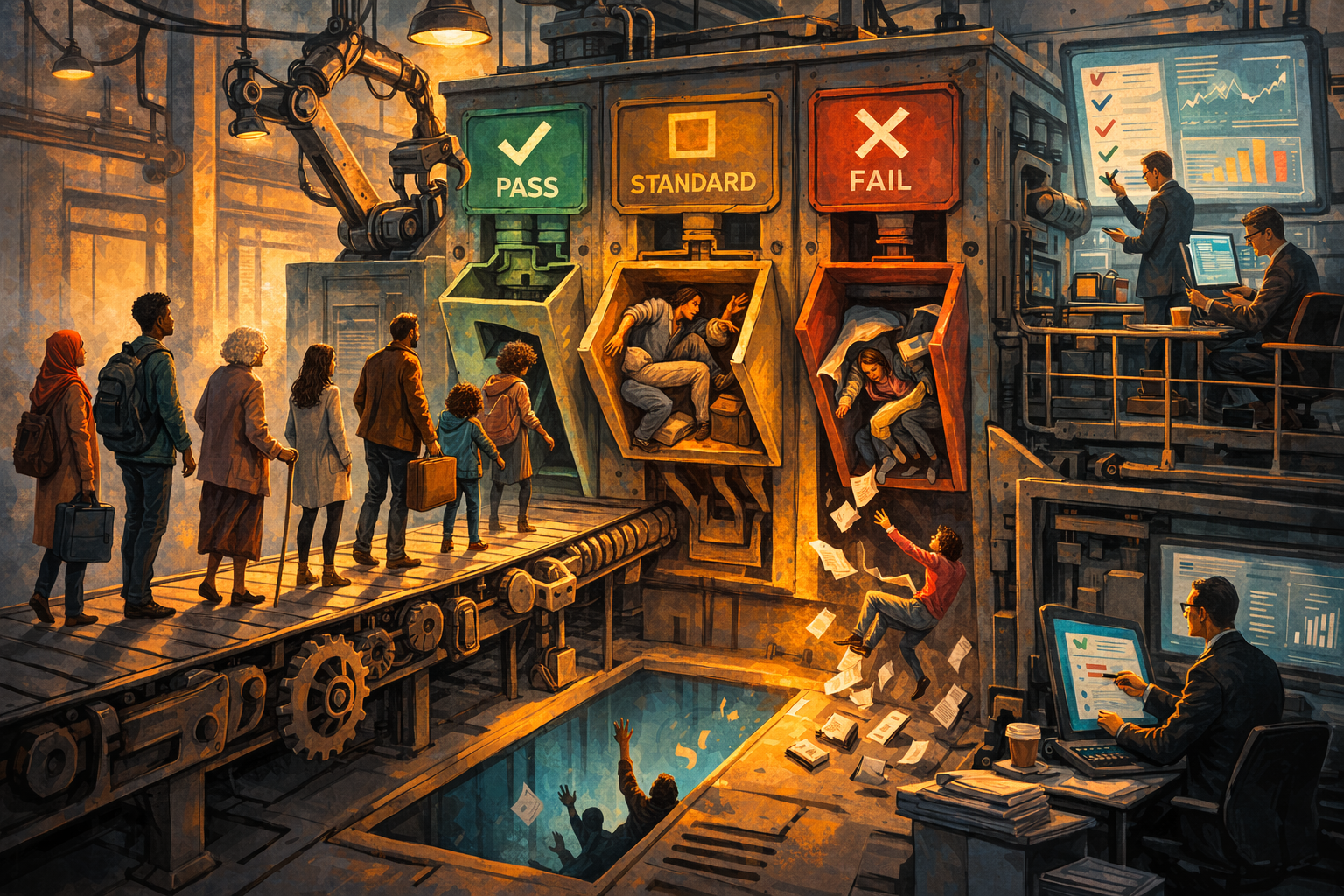
Does Everyone Fit Here?
Modern systems often claim to be inclusive, yet many are built on assumptions that filter human complexity. What happens to those who don’t fit the template?