Seeing Through the Damage: Why “Bad People” Aren’t What We Think
Understanding how trauma reshapes behaviour — and why the people we fear most often carry the deepest wounds.
The Story We’re Told About “Bad People”
We grow up hearing that the world contains “bad people.” The phrase appears in news stories, crime reports, and everyday conversations. It creates the impression that some individuals are fundamentally different from the rest of us — that they carry a darker nature that separates them from society.
But that explanation rarely survives closer examination. In many cases, the people we label as “bad” are individuals whose lives have been shaped by deep trauma long before their behaviour became visible to others.
When we judge only the surface — actions, reactions, moments of conflict — we overlook the long chain of experiences that formed those behaviours. Trauma alters expression, suppresses joy, and replaces trust with survival strategies that can appear hostile, distant, or destructive.
If we want to build safer and more stable communities, we must learn to see beyond the visible damage and recognise the human being beneath it.
Trauma Changes the Way People Show Up
Trauma does not always appear as sadness or visible vulnerability. Often it manifests as the opposite.
A person who has learned that the world is unsafe may become defensive, aggressive, or withdrawn. Someone who has experienced repeated betrayal may struggle to trust even the people trying to help them. Others adopt behaviours designed simply to survive environments that once threatened their wellbeing.
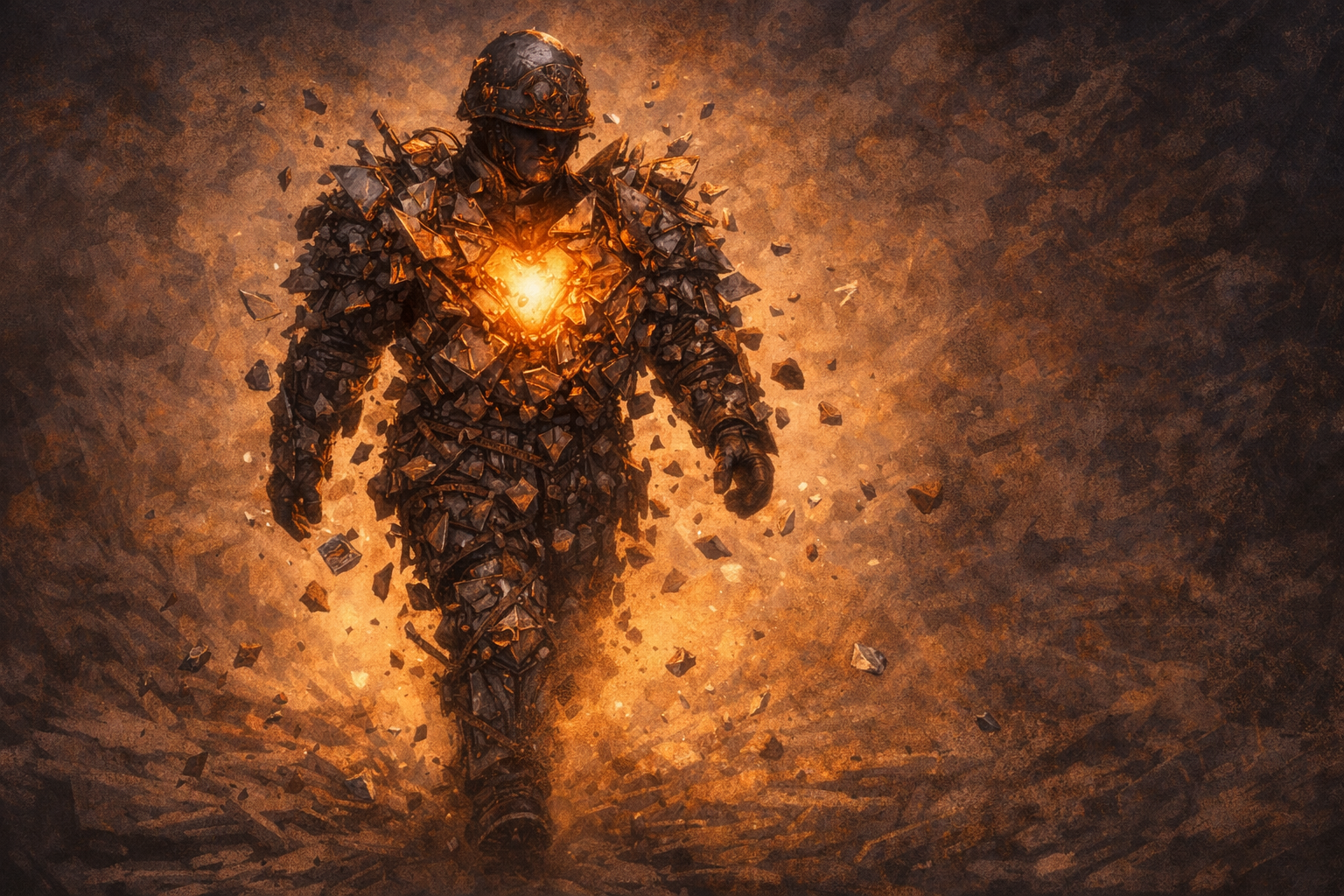
From the outside, these behaviours can look like cruelty or indifference. In reality, they are frequently protective responses — the psychological equivalent of armour.
Recognising this distinction does not excuse harmful behaviour. But it does change how we interpret it. When we see behaviour as a signal of underlying injury rather than proof of inherent badness, the possibility of healing becomes visible.
When Punishment Deepens the Wound
Society’s instinctive response to troubling behaviour is punishment. Exclusion, judgement, and rejection are often used as tools to enforce boundaries and maintain order.
Yet when trauma is the underlying cause, these responses frequently deepen the very wounds they aim to correct.
Each act of rejection adds another layer of debris over a person’s already-buried sense of self. Over time, that debris accumulates until the healthy parts of their identity become difficult to reach — even for the person themselves.
This is not only an individual tragedy. It is a collective one. Every time someone is abandoned to unresolved trauma, society loses a potential contributor — someone who might otherwise bring creativity, empathy, leadership, or insight into the communities around them.
Seeing the Soul Beneath the Symptoms
Accepting someone who displays antisocial behaviour is not easy. But perspective can change when we imagine the situation differently.
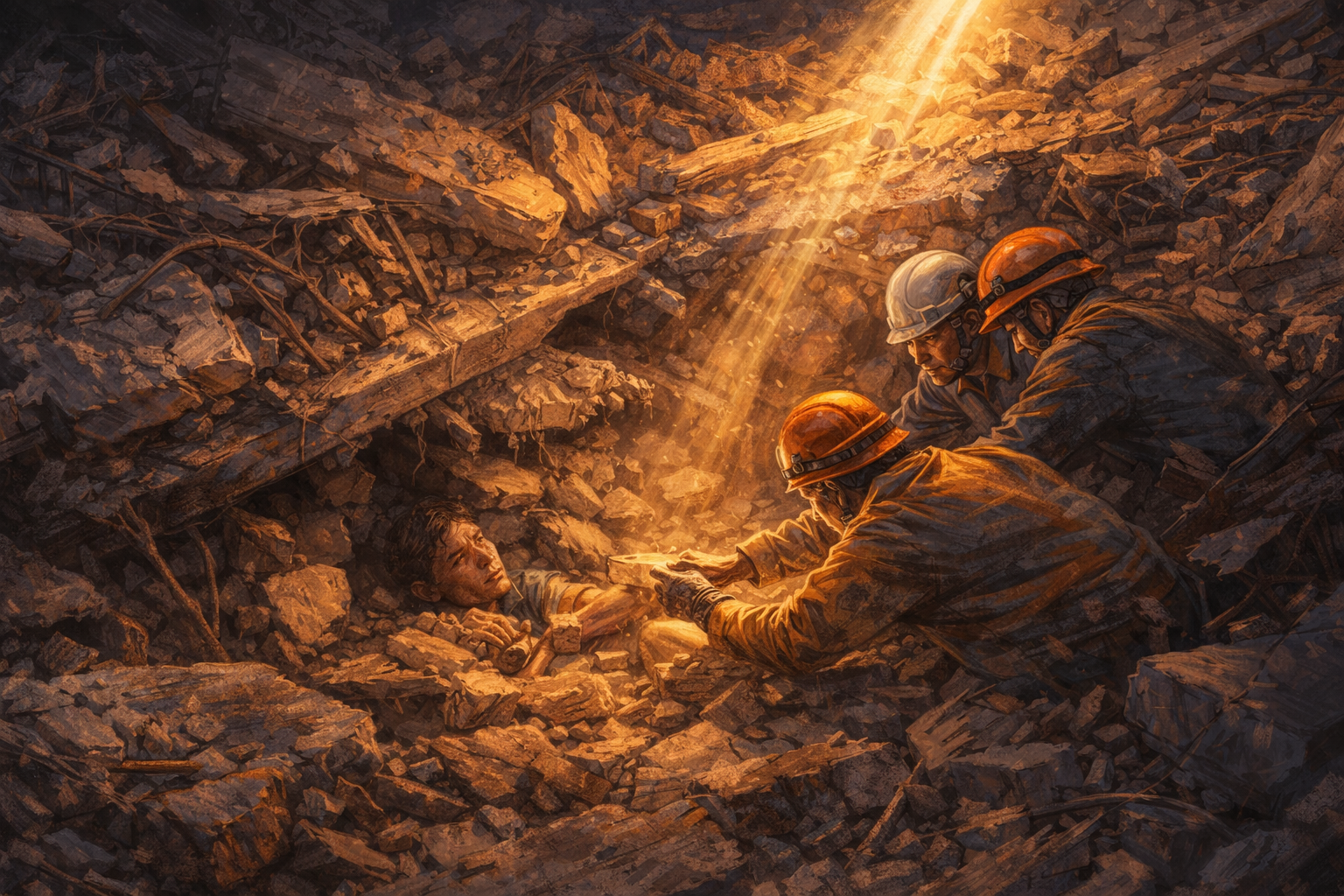
Picture someone trapped beneath the rubble of a collapsed building after an earthquake. The structure fell long ago, but the person is still alive beneath the debris. The noise, the panic, the sharp edges you see around the wreckage are not the person themselves — they are the environment surrounding them.
Human trauma often works the same way. The behaviours we encounter are frequently the rubble, not the person.
If we mistake the wreckage for the individual, we miss the opportunity to help them emerge from it. But when we recognise that someone is buried rather than broken, the conversation shifts from condemnation to rescue.
The Hidden Cost of Abandonment
Leaving people buried beneath trauma does not isolate the damage to them alone. Unresolved pain rarely stays contained.
It spreads through families, workplaces, neighbourhoods, and communities. The anger, fear, or instability created by untreated trauma echoes outward, shaping the environments everyone must live within.
Ignoring the wounded does not create peace; it postpones the consequences.
Over time, societies that abandon struggling individuals often find themselves dealing with escalating conflict, distrust, and instability. Addressing trauma early is not merely compassionate — it is a practical investment in long-term social stability.
Compassion as a Form of Rescue
Helping someone rebuild a life shaped by trauma is not simply an act of kindness. It is a form of shared survival.
When a wounded life begins to heal, something powerful returns to the world: perspective forged through hardship, empathy born from struggle, and resilience that can inspire others.
The first step is often simple but profound — speak to the good soul beneath the chaos rather than reacting only to the chaos itself.
When individuals are treated as though their deeper self still exists, many begin rediscovering it.
Building Pathways for Healing
Compassion alone is rarely enough. Healing requires structure.
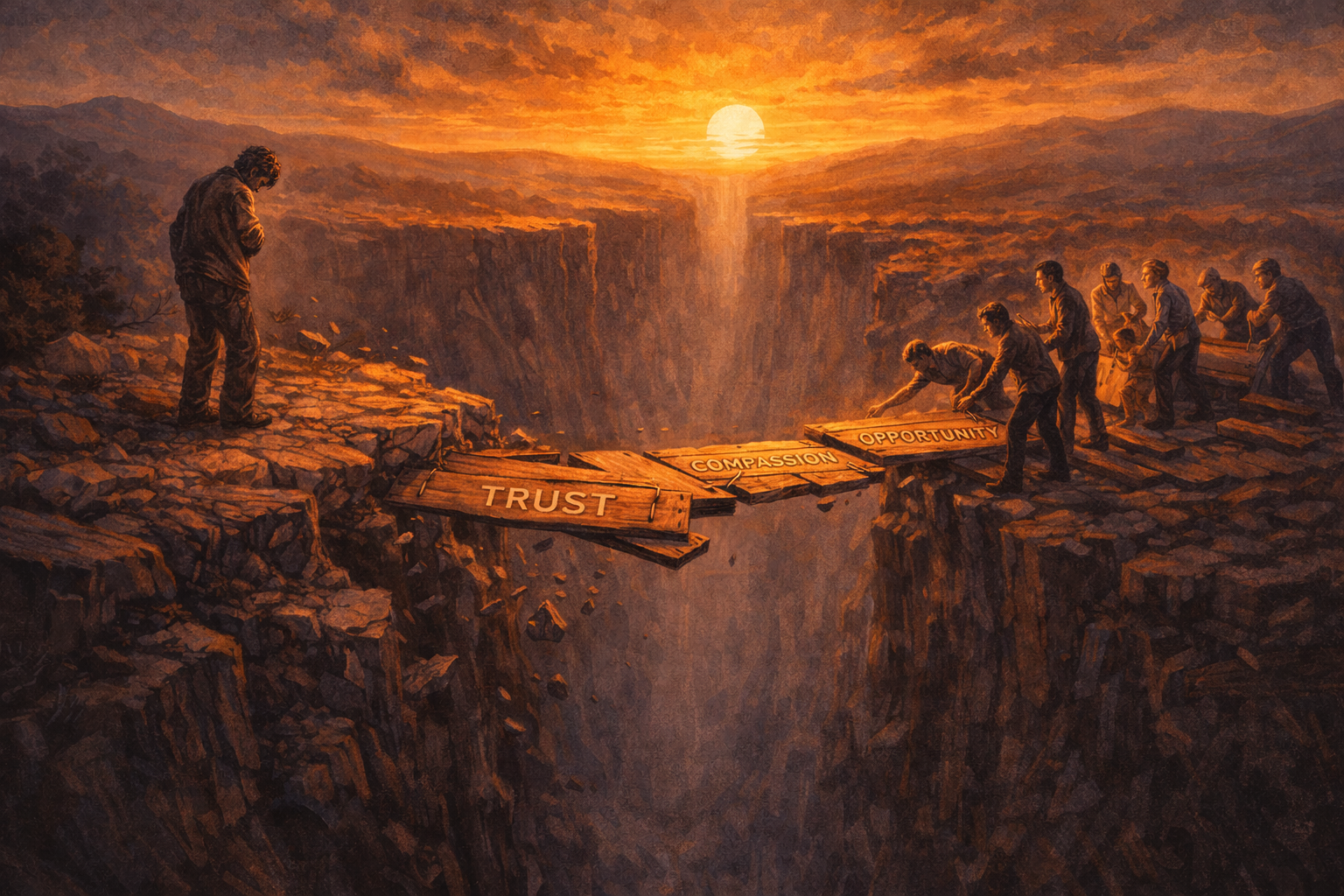
Communities must create environments where people can rebuild trust, learn new skills, and re-enter society with dignity. Education, mentorship, creative expression, and supportive cultural spaces all play roles in helping individuals rediscover their place in the world.
These environments do more than repair individual lives. They also strengthen the wider social fabric by transforming potential sources of instability into sources of insight and contribution.
This principle sits behind many of the frameworks explored through Global Stage Management™, which examines how systems and culture can work together to support human development rather than simply reacting to crisis.
Trust Is the First Step
All of this begins with a simple but powerful belief: that people are capable of returning from the brink.
Trust allows us to see possibility where others see only failure. It encourages early action rather than delayed reaction. And it reminds us that the environments we build today shape the people who will inhabit them tomorrow.
Each act of compassion, each refusal to define someone by their worst moment, and each bridge built instead of burned contributes to a world where fewer people remain trapped beneath the rubble of their past.
The rescue is already underway.