Reclaiming the Force We Call Love
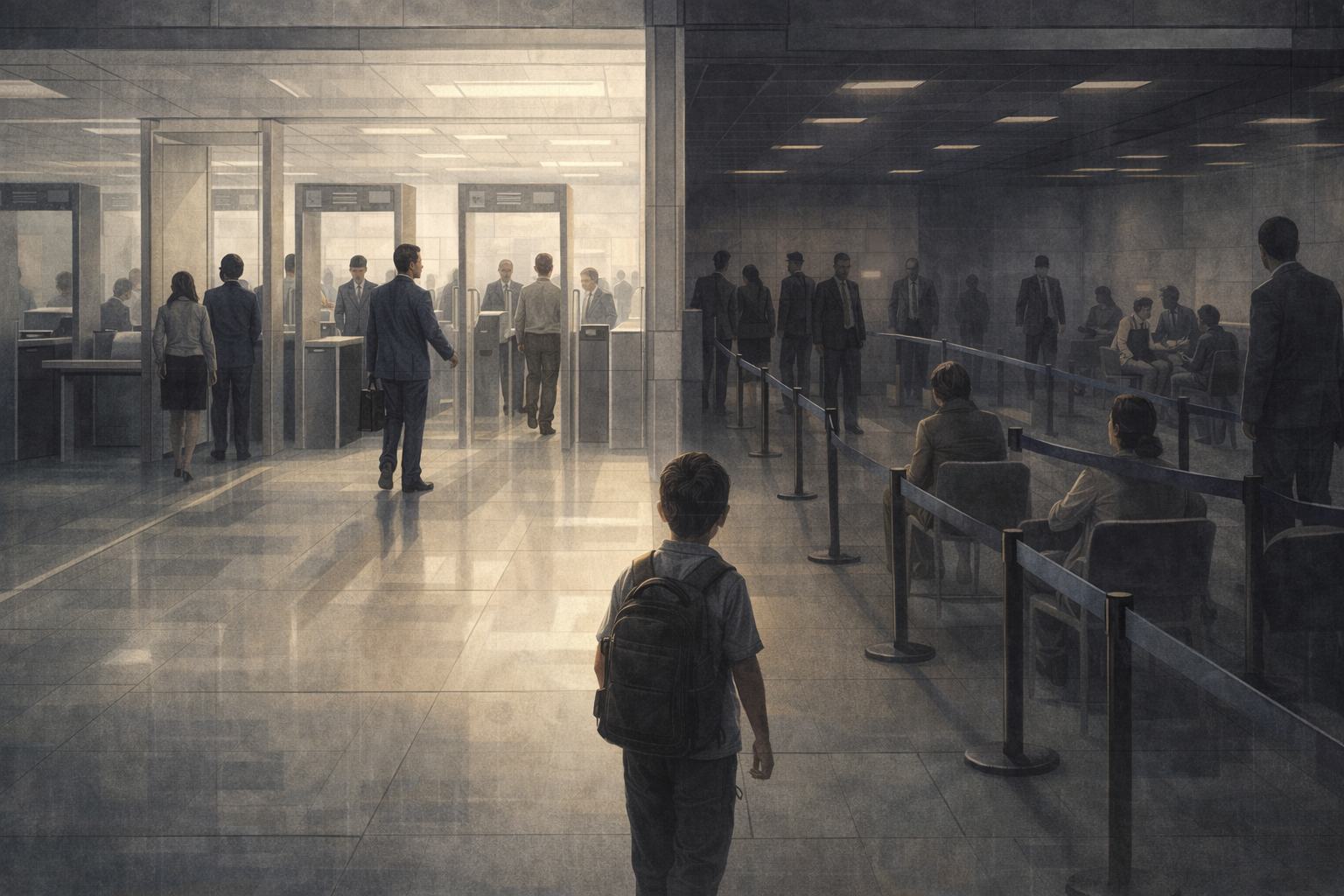
Why the absence of structural care destabilises societies — and how human restoration becomes a civilisational strategy.
The Quiet Erosion of Human Value
Across modern societies, something subtle is happening.
Human worth is increasingly being measured through narrow performance lenses. If someone doesn’t move at the expected pace, fit standard pathways, or deliver visible outcomes quickly enough, they are quietly reclassified — not as developing contributors, but as problems to manage.
This shift hasn’t been announced in speeches or policy reforms. It has emerged gradually through cultural habits, institutional routines, and economic pressures that reward speed over depth.
Over time, this creates an invisible expiry date on potential. People who do not align with dominant timelines are no longer seen as unfinished — they are seen as unnecessary.
Civilisations rarely notice this kind of erosion while it is unfolding. It feels practical in the moment. Only later does the cumulative effect become clear: widespread disengagement, disconnection, and loss of collective confidence.
When Systems Misread Human Development
Many systems are designed for predictable growth patterns. When someone develops differently — more slowly, more intensely, or along unconventional paths — those systems often interpret variation as malfunction.
In schools, workplaces, and social institutions, individuals who require non-linear development frequently encounter resistance. Their needs are framed as inefficiencies within structures built for standardised progression.
What begins as difference gradually becomes distance.
Over time, capable people are pushed toward the edges of participation — not because they lack value, but because the system struggles to understand how to include them.
The result is both human and societal loss: individuals feel unseen, while communities lose access to the strengths those individuals might have contributed.
Why Love Disappeared from System Design
In modern governance and organisational thinking, love is often dismissed as sentimental or impractical. Yet historically, societies have always depended on structured care to remain stable.
Care determines whether people feel they belong to a shared future or are left navigating survival alone.
When systems remove care from their foundations, they compensate through control. Compliance replaces connection. Monitoring replaces trust. Short-term containment replaces long-term development.
These approaches can create temporary order. But they rarely create enduring cohesion.
The Stories Societies Tell to Justify Exclusion
To make sense of marginalisation, cultures develop narratives.
These stories often focus on personal responsibility while overlooking the environments that shape life outcomes. Trauma, instability, and unequal access to opportunity are simplified into individual shortcomings.
While personal agency matters, oversimplifying complexity allows systemic neglect to continue unchallenged.
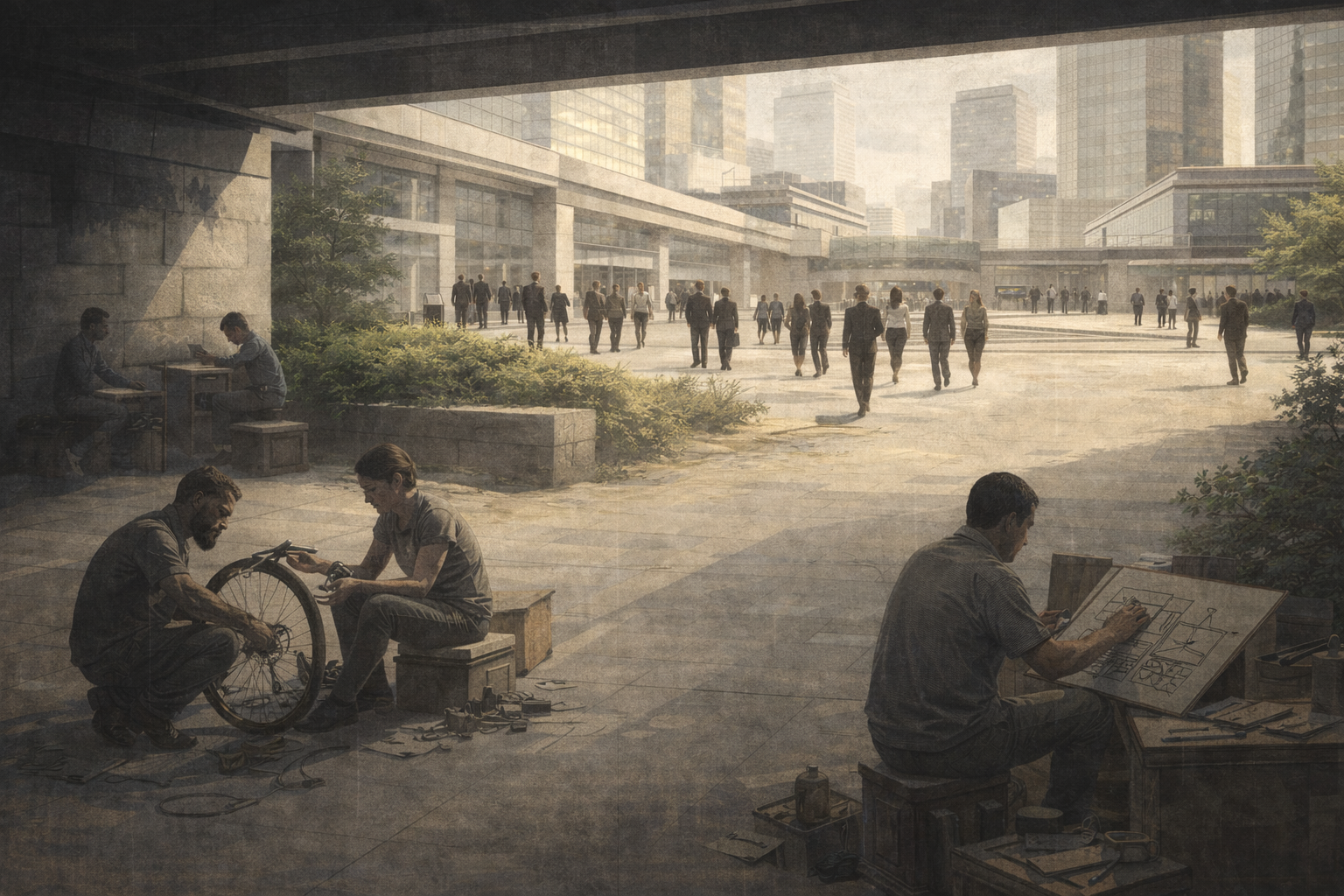
Eventually, whole groups of people become socially invisible — not fully excluded, but never fully included. They exist in a state of partial participation, where expectation diminishes and contribution becomes less likely.
The Cost of Untapped Human Capacity
Ignoring developmental diversity is not only a social issue. It is an economic one.
Every society contains individuals whose experiences, perspectives, and cognitive differences could strengthen collective problem-solving. When these capacities remain unused, the cost appears elsewhere — in crisis response, institutional strain, and missed innovation.
Reframing human restoration as an investment rather than a burden changes this dynamic. It shifts resources from managing breakdowns to enabling contribution.
Over time, this produces more resilient and adaptive communities.
Moving Beyond Passive Inclusion
Inclusion alone is not enough. True participation requires alignment.
Alignment creates shared direction without demanding uniformity. It allows people to engage in collective systems while maintaining their individual identity and developmental rhythm.
When environments are built around alignment rather than rigid conformity, individuals can recalibrate their trajectories without feeling erased.
This produces cultures that are flexible without becoming chaotic, and structured without becoming oppressive.
Designing Systems with Structural Empathy
Empathy is often treated as a personal trait. In reality, it is also a design principle.
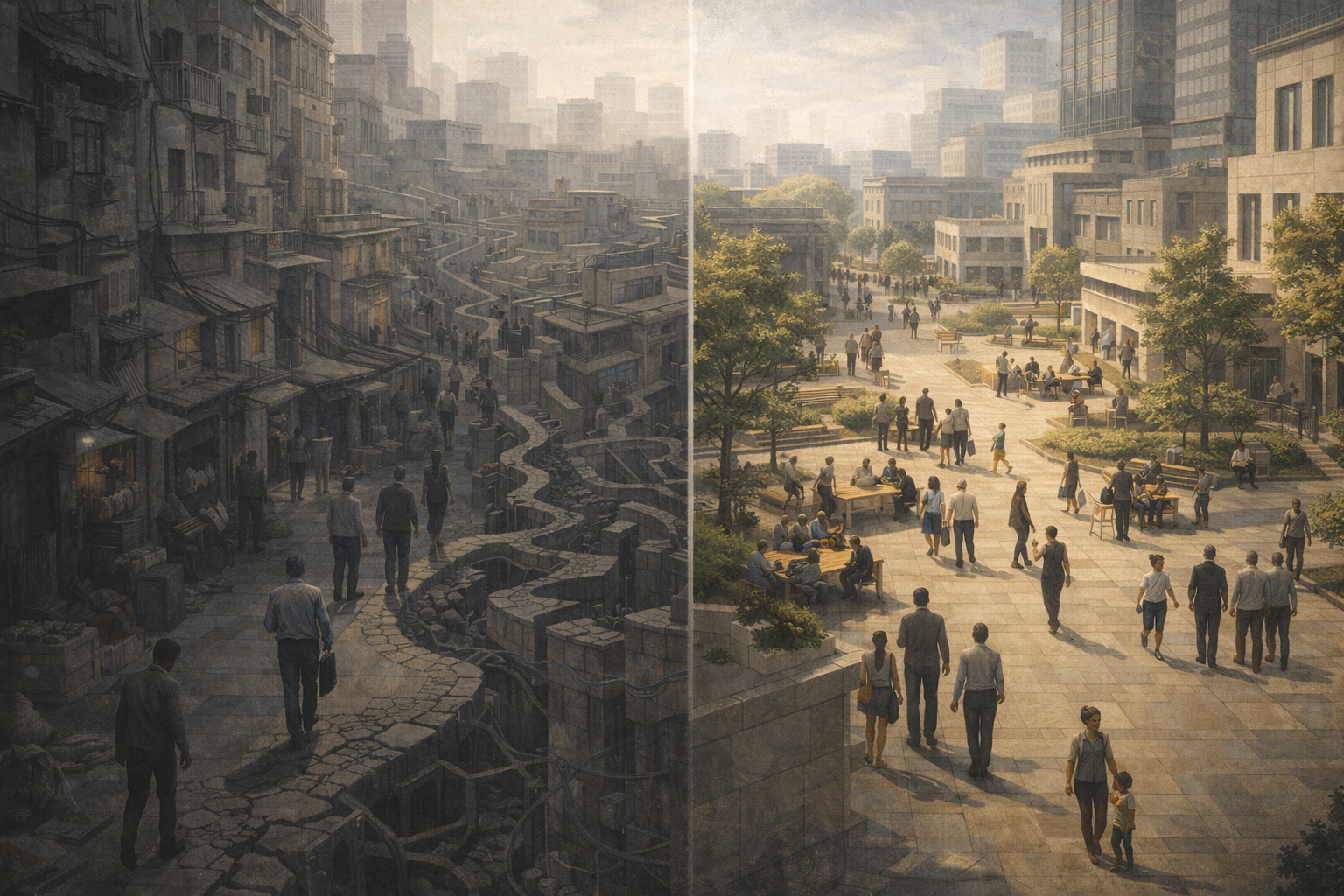
Systems that incorporate empathic awareness respond more effectively to real human conditions. They reduce friction between institutional intention and lived experience.
This does not weaken standards. It improves precision.
When policies and structures acknowledge complexity, they support transformation rather than merely containing problems. Over time, this strengthens legitimacy, trust, and civic engagement.
From Crisis Response to Cultural Regeneration
Many modern governance models focus on reacting to visible crises. Regenerative cultures operate differently. They prioritise continuity before disruption occurs.
Embedding care into structural design allows societies to anticipate points of disconnection and intervene constructively.
When people feel supported early, participation becomes more natural. Responsibility becomes shared. Cultural resilience grows organically.
In this way, civilisational progress emerges not from conflict alone, but from intentional stewardship.
Love as Infrastructure
Reimagining love as infrastructure requires a shift in priorities.
Care cannot remain an afterthought to economic or institutional objectives. It must be recognised as foundational to long-term stability and innovation.
Systems grounded in structured care are more adaptable, less volatile, and better equipped to harness diverse human potential.
When societies embed this principle into their cultural architecture, they move from managing fragmentation toward building cohesion.
Human restoration stops being a moral aspiration.
It becomes a strategic necessity.