The Kind of Environment That Makes People Brave
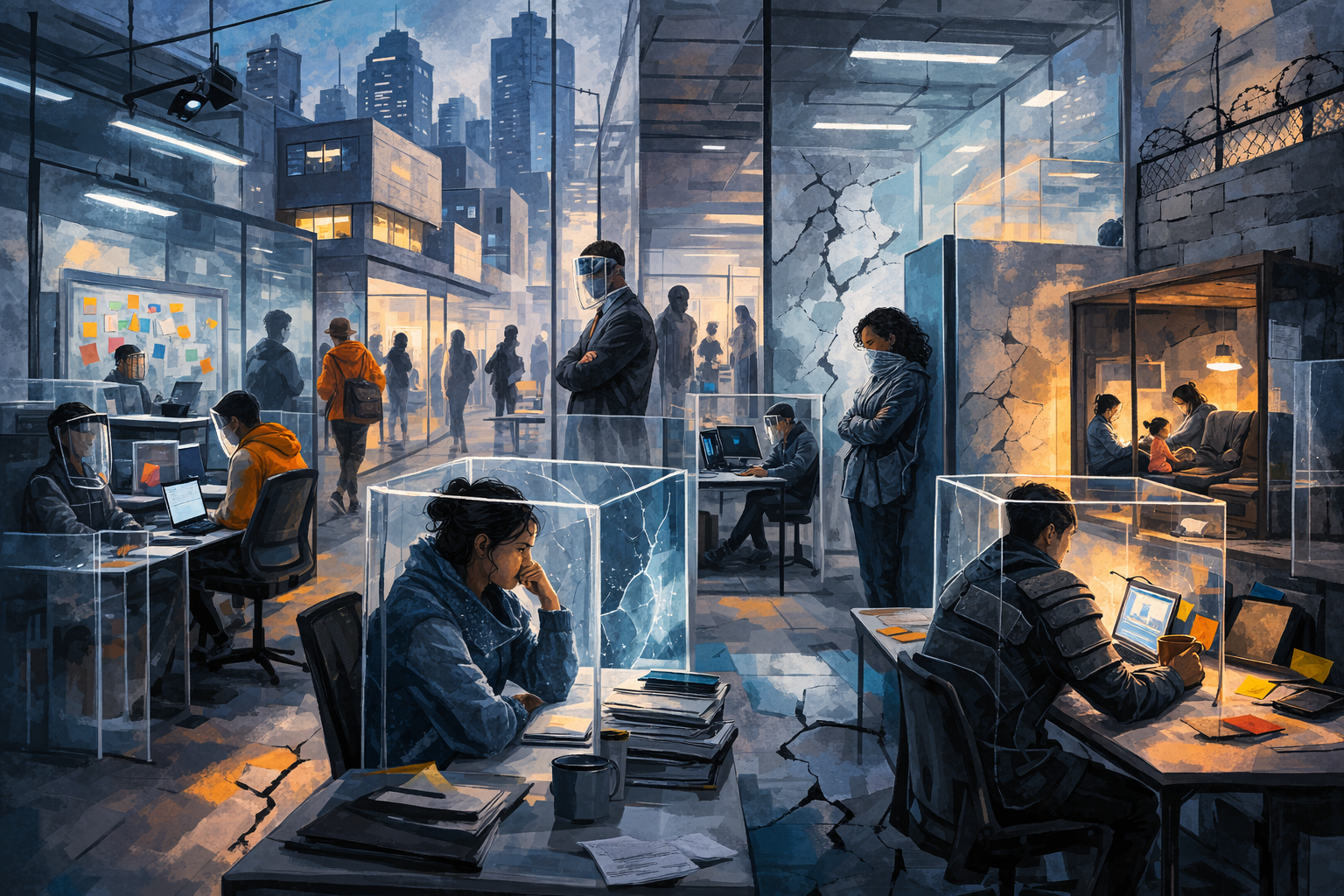
Why true courage is not born from pressure — but from protection designed into the systems around us.
Courage Doesn’t Grow in Fear
We often talk about courage as though it comes from exposure to pressure.
As though people become stronger by being pushed, tested, or forced to prove themselves.
But most environments confuse fear with discipline and suppression with growth.
They operate on the assumption that belonging must be earned through performance.
There is another model.
Courage does not emerge when people are constantly threatened with failure.
It emerges when they know they will not be abandoned while they are still learning how to stand.
Why People Stay Where They Are Hurt
People rarely remain in harmful environments because they enjoy suffering.
They remain because those environments, however imperfect, offer something predictable.
Predictability can feel like safety when someone has experienced instability.
New promises are rarely enough to inspire movement.
People need evidence that a different system will actually hold them — especially when they struggle.
Until protection is demonstrated rather than declared, most individuals will remain where they are.
Even if it slowly diminishes them.
Protection Must Be Designed — Not Hoped For
Healthier environments do not arise from good intentions alone.
They require structural design.
Kindness cannot depend on personality.
Authority cannot rely on dominance.
Belonging cannot fluctuate with mood or circumstance.
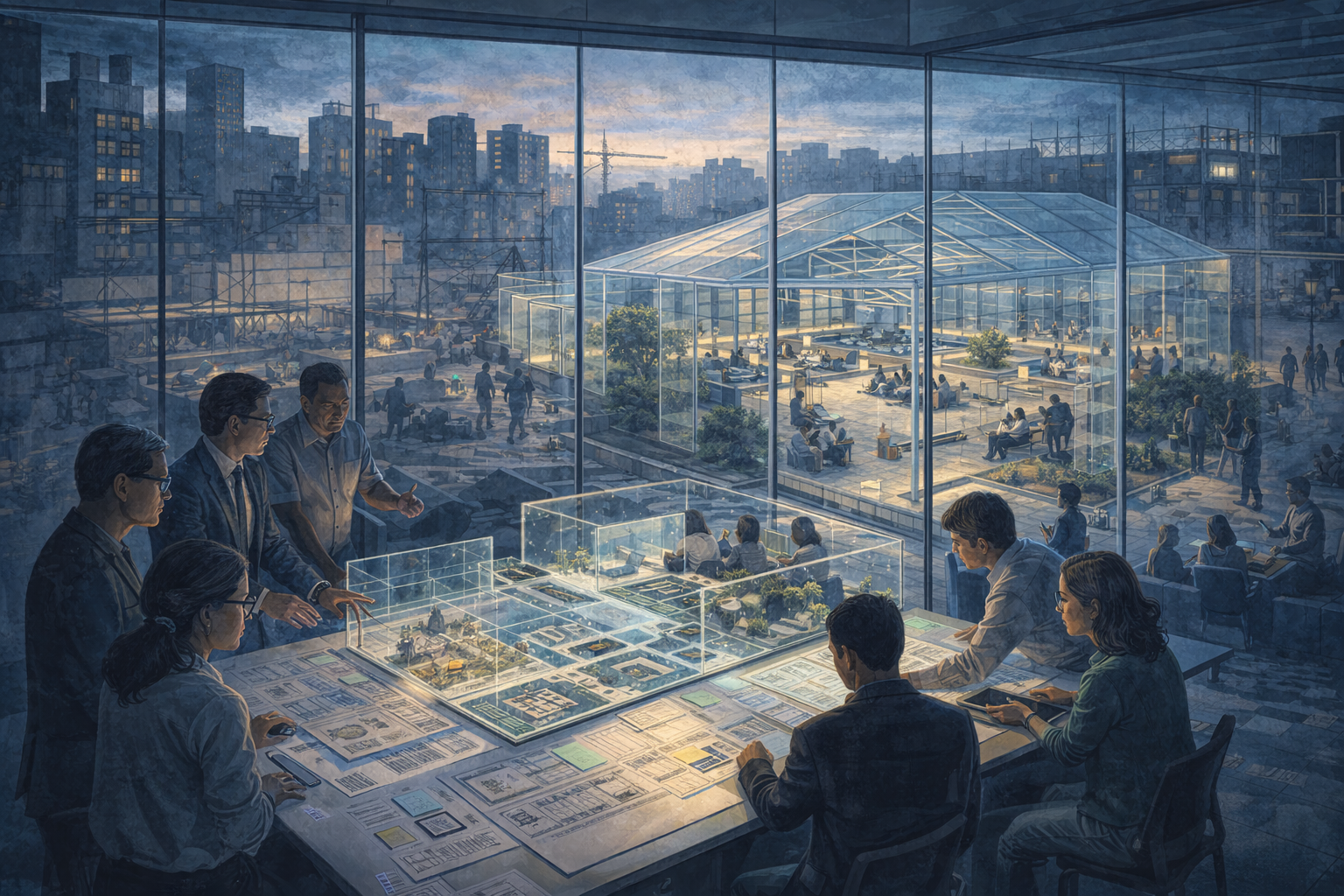
When protection is embedded into the architecture of a system, people are not constantly negotiating their right to exist within it.
The focus shifts from proving worth to developing potential.
The Damage of Surface Judgement
Most people move through life with some form of guard in place.
Defensive behaviour is often the residue of past harm, not a reflection of character.
When societies judge individuals based on their most protective layer, they misunderstand the person beneath it.
This misreading leads to exclusion and mistrust.
It also prevents the emergence of capacities that only appear when safety is real.
True environments of growth allow people to lower their guard gradually — not because they are instructed to, but because they finally feel secure enough to do so.
Leadership That Does Not Disappear
Protective systems depend on leaders who remain present when circumstances become difficult.
Consistency communicates safety more effectively than inspiration.
People learn to trust environments where support does not evaporate at the first sign of strain.
Accountability still exists in such systems.
But it is paired with continuity, ensuring correction does not become rejection.
Over time, this balance creates the conditions for constructive risk — the foundation of innovation.
What Real Safety Changes
When people experience genuine protection, behaviour begins to shift.
Survival patterns soften.
Participation increases.
Creativity returns.
These changes cannot be forced through policy or performance pressure.
They emerge organically when individuals feel secure enough to invest energy in growth rather than defence.
At scale, this produces cultural stability.
Communities move from cycles of reaction to cycles of contribution.

Designing Systems People Move Toward
Future-focused institutions must treat psychological and structural safety as foundational design elements.
This does not mean eliminating challenge.
It means ensuring challenge occurs within a context of support.
When dignity is secure, engagement becomes voluntary rather than coerced.
Systems that achieve this balance attract commitment naturally.
The Strategic Choice
Societies now face a defining decision.
Continue replicating environments that produce resilience only after harm has occurred.
Or design systems where resilience develops without requiring damage as a prerequisite.
Environments that make people brave are never accidental.
They are built through deliberate principles that recognise human complexity.
Creating them is not simply ethical.
It is essential for sustainable progress.