The Models We Build, The Pearls We Shape
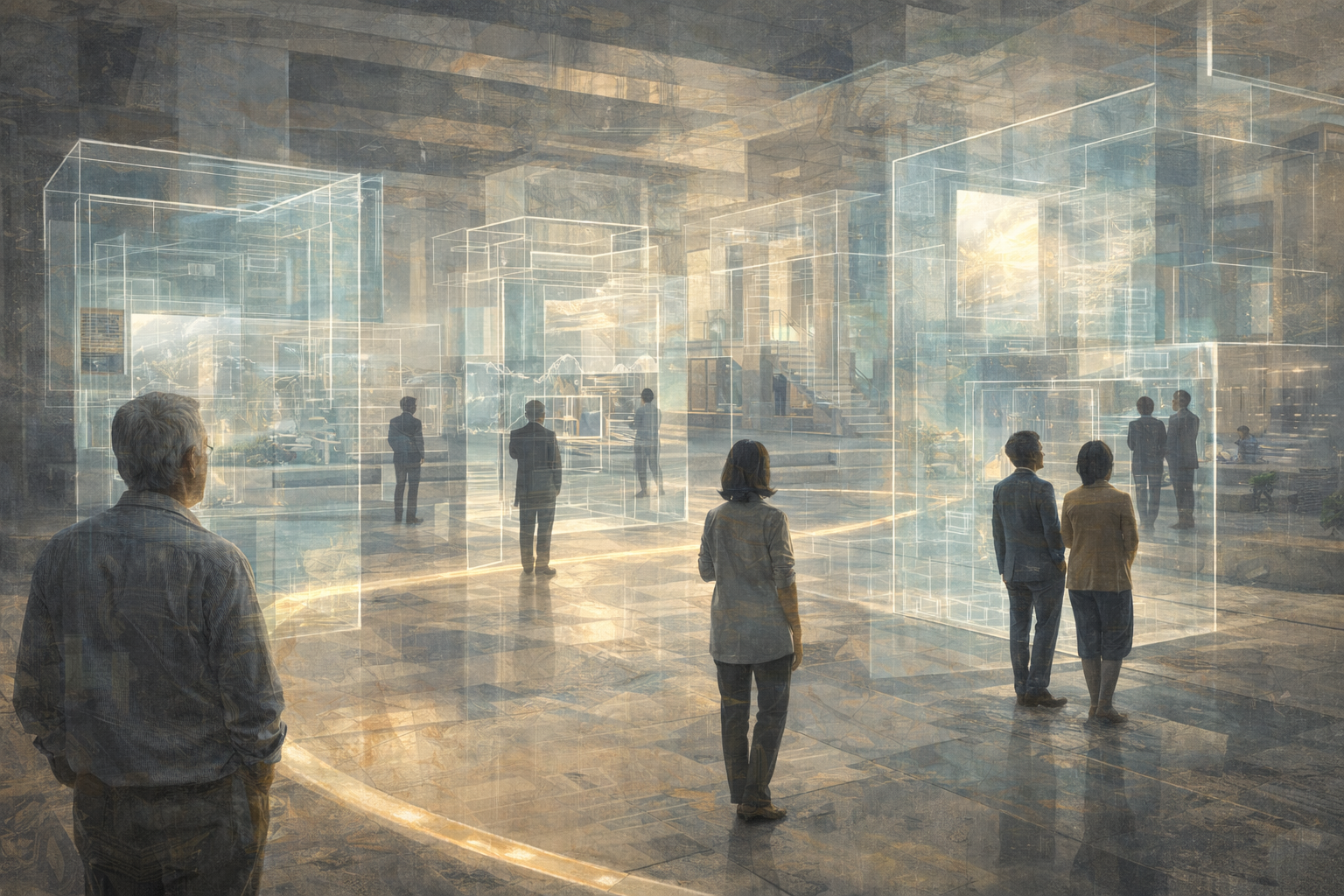
Why transformation begins with frameworks, not ideas — and why culture evolves through structural design.
Where Transformation Actually Begins
Transformation is often imagined as a moment of brilliance — a visionary insight, a strategic breakthrough, a compelling new solution. Yet the changes that truly shift cultures and dignify human experience rarely begin in abstract innovation. They begin with accurate perception.
Real transformation starts when individuals and systems are willing to confront conditions as they exist. Not as they are hoped to be. Not as they are marketed to appear. But as they function in reality.
Without this confrontation, reform efforts remain performative. Vision without grounding becomes rhetoric. Systems built on aspiration alone collapse under the pressure of lived complexity.
Progress requires the willingness to meet reality where it stands.
Why Information Alone Does Not Reshape Culture
Modern societies frequently assume that greater access to information leads to improved collective decision-making. Evidence suggests otherwise. People rarely update their worldview through facts alone. Instead, information is filtered through pre-existing identity structures.
Beliefs shape interpretation. Interpretation shapes acceptance. Acceptance determines whether new knowledge is integrated or rejected.
This explains why public discourse can become saturated with competing “truths” while meaningful cultural evolution stalls. The limiting factor is not informational scarcity, but structural rigidity.
When frameworks remain unchanged, new data simply reinforces old positions.
The Architecture Beneath Cultural Behaviour
Culture is not merely a collection of shared ideas. It is an operational environment shaped by systems, incentives, narratives, and social reinforcement mechanisms. What societies reward becomes normalised. What they exclude becomes marginalised.
Therefore, meaningful cultural change requires architectural intervention. Behaviour shifts when environments shift. Norms evolve when structural pathways make new forms of participation viable.
Framework design determines whether innovation becomes embedded or remains theoretical.
This is where systemic methodology becomes essential.
Hosting Difference as a Structural Capacity
A defining feature of mature cultures is their ability to accommodate complexity without fragmentation. This capacity is not produced through tolerance alone. It emerges from institutional design that integrates difference rather than suppressing it.
When communities reject those who do not conform to dominant expectations, they often reinforce the very divisions they seek to resolve. Exclusion narrows cultural intelligence. Integration expands it.
Frameworks that create space for friction without collapse enable growth at scale. Social resilience increases when diversity is processed through structured engagement rather than unmanaged conflict.
Belonging becomes a function of design.
Everyday Friction as Cultural Material
While policy and leadership influence cultural direction, much of civilisation is shaped through daily interaction. Minor tensions — interpersonal misunderstandings, systemic inefficiencies, unprocessed difference — function as raw material for social development.
These experiences are often perceived as obstacles. Yet within them lies adaptive potential. When environments support reflective processing, friction can produce insight. Insight can produce innovation.
Systems that harness rather than suppress these micro-level dynamics cultivate long-term adaptive capacity.
Transformation therefore occurs not only in institutions, but in the conditions that govern everyday life.
From Reaction to Transmutation
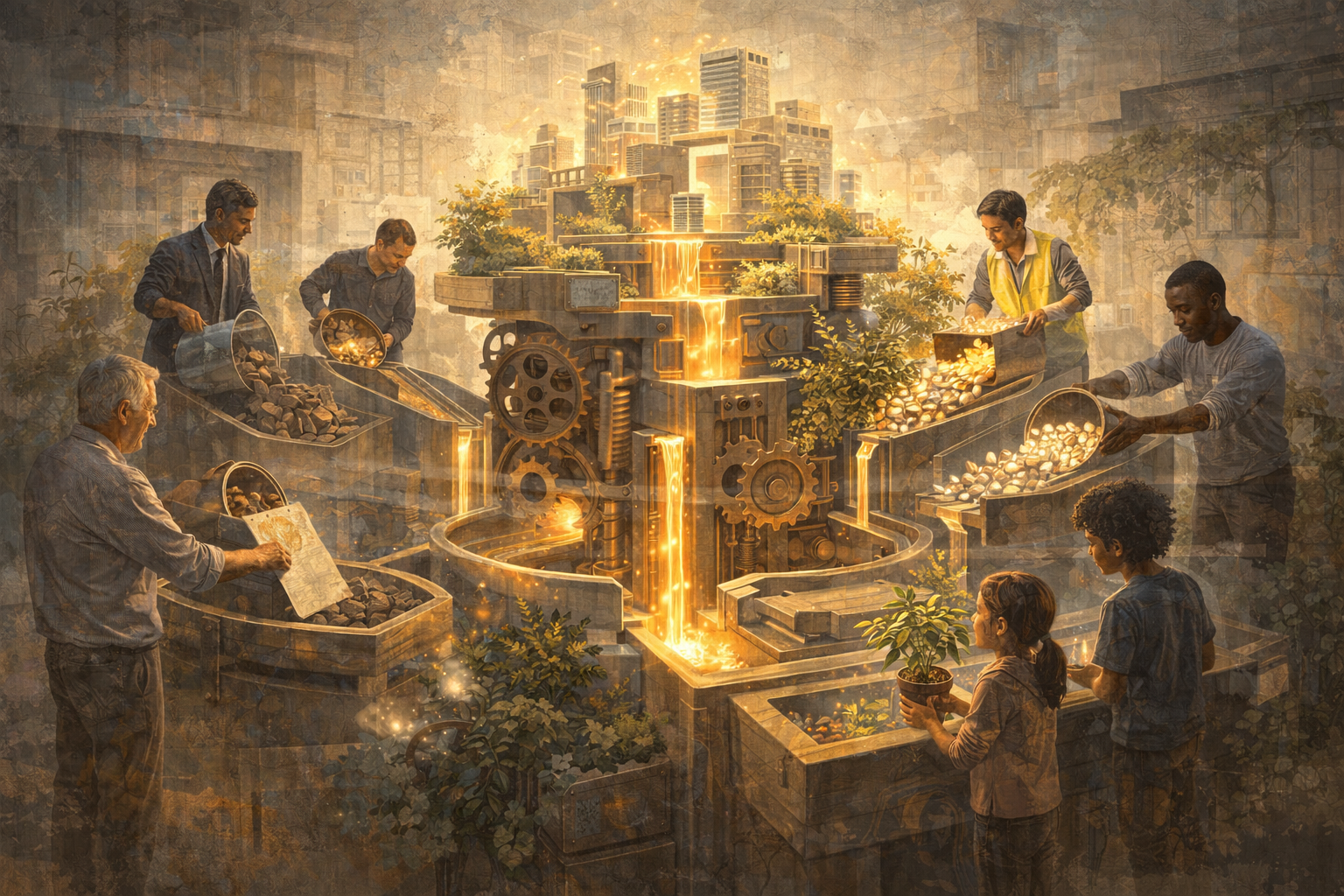
The distinction between reactive and developmental systems defines whether societies stagnate or evolve. Reactive structures attempt to eliminate discomfort. Developmental structures convert challenge into capability.
This conversion process is neither abstract nor philosophical. It requires practical mechanisms: pathways for participation, tools for perspective recalibration, and frameworks that reward constructive engagement.
When such mechanisms are embedded, stressors can become catalysts. Conflict can become design input. Difference can become strategic advantage.
Cultural refinement becomes cumulative.
Building Systems That Outlast Ideology
Many reform movements falter because they prioritise ideological alignment over functional sustainability. While shared values matter, durable progress depends on operational coherence.
Systems that remain effective across shifting political, economic, and social conditions possess structural integrity. They accommodate change without losing purpose. They support participation without requiring uniformity.
This is the orientation required for long-term cultural evolution.
Framework design determines whether transformation is temporary or enduring.
Designing for Regenerative Participation
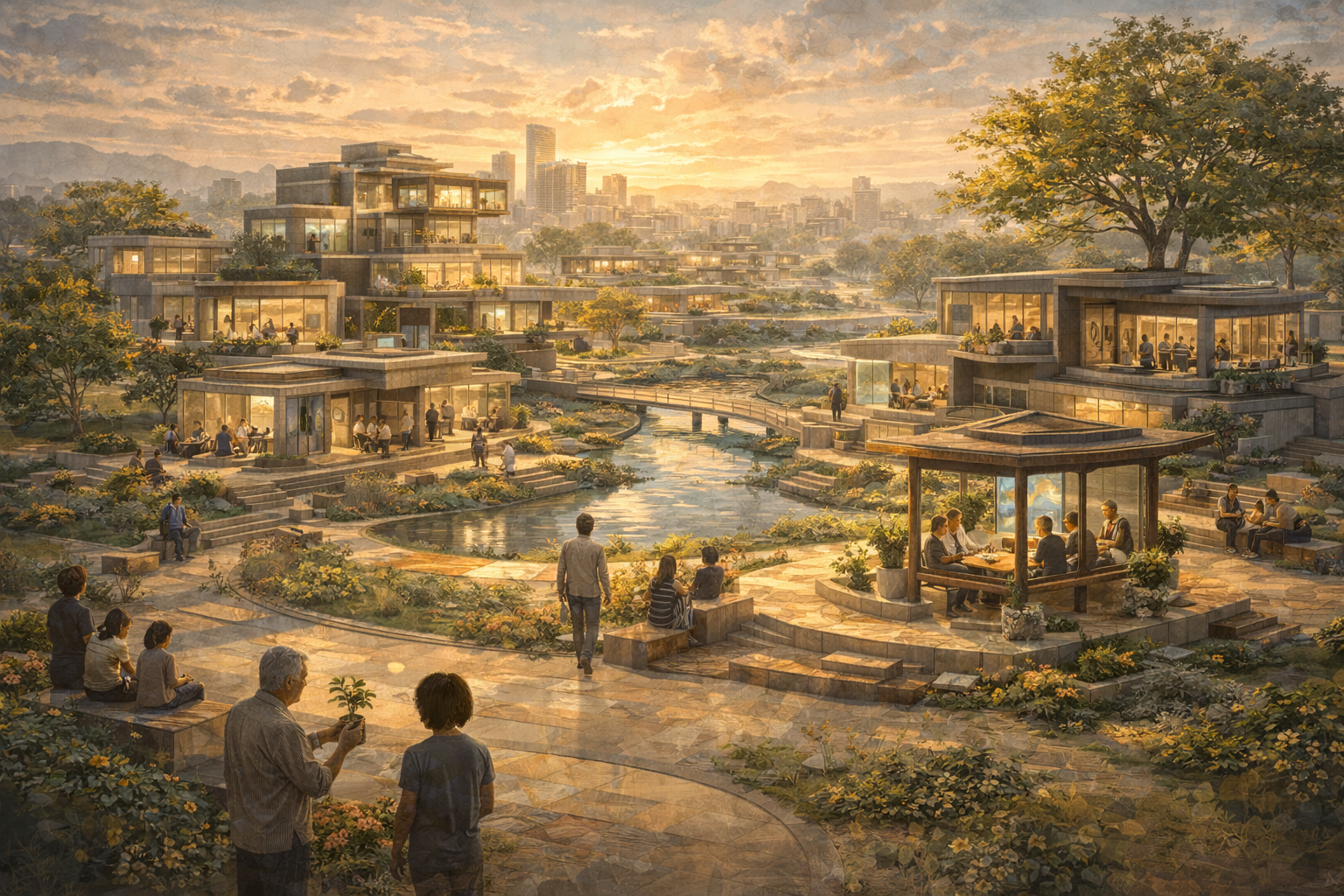
The future of complex societies will depend on their capacity to generate regenerative forms of engagement. This involves creating environments where individuals can contribute meaningfully without sacrificing identity or stability.
Participation must be structured as an adaptive process rather than a fixed expectation. Growth must be facilitated through feedback-rich ecosystems rather than imposed through rigid compliance.
When frameworks enable this dynamic, cultures gain the ability to continuously refine themselves.
Transformation becomes systemic rather than episodic.
Where Structural Imagination Meets Human Potential
Ultimately, the evolution of civilisation is not determined by isolated innovation, but by the models through which societies organise collective life. The frameworks we construct shape the horizons individuals can reach.
When systems recognise latent potential and create pathways for its expression, development accelerates. When they constrain possibility through outdated assumptions, progress slows.
The task of this era is not merely to generate new ideas. It is to build architectures capable of sustaining human complexity with intelligence and care.