
Beyond The Surface
Reflections, frameworks, and cultural observations from the intersection of systems thinking, human experience, and creative execution
Insights & Perspectives
Beyond the Surface is where I examine the patterns beneath public life, personal experience, cultural behaviour, and system design.
These essays move between strategic frameworks, lived observation, creative practice, and the human tensions that shape the environments we build and inhabit. Some pieces sit close to Global Stage Management. Others begin from everyday life, conflict, memory, media, politics, culture, or the quiet moments where larger patterns reveal themselves.
This is not a space for quick reaction. It is a place for slower thinking — where ideas are tested, assumptions are questioned, and familiar problems are looked at from a deeper angle.
“This is where I document the quiet truths and catalytic questions that shape the way forward. Thanks for arriving here with open eyes.”
— Amos Ashley
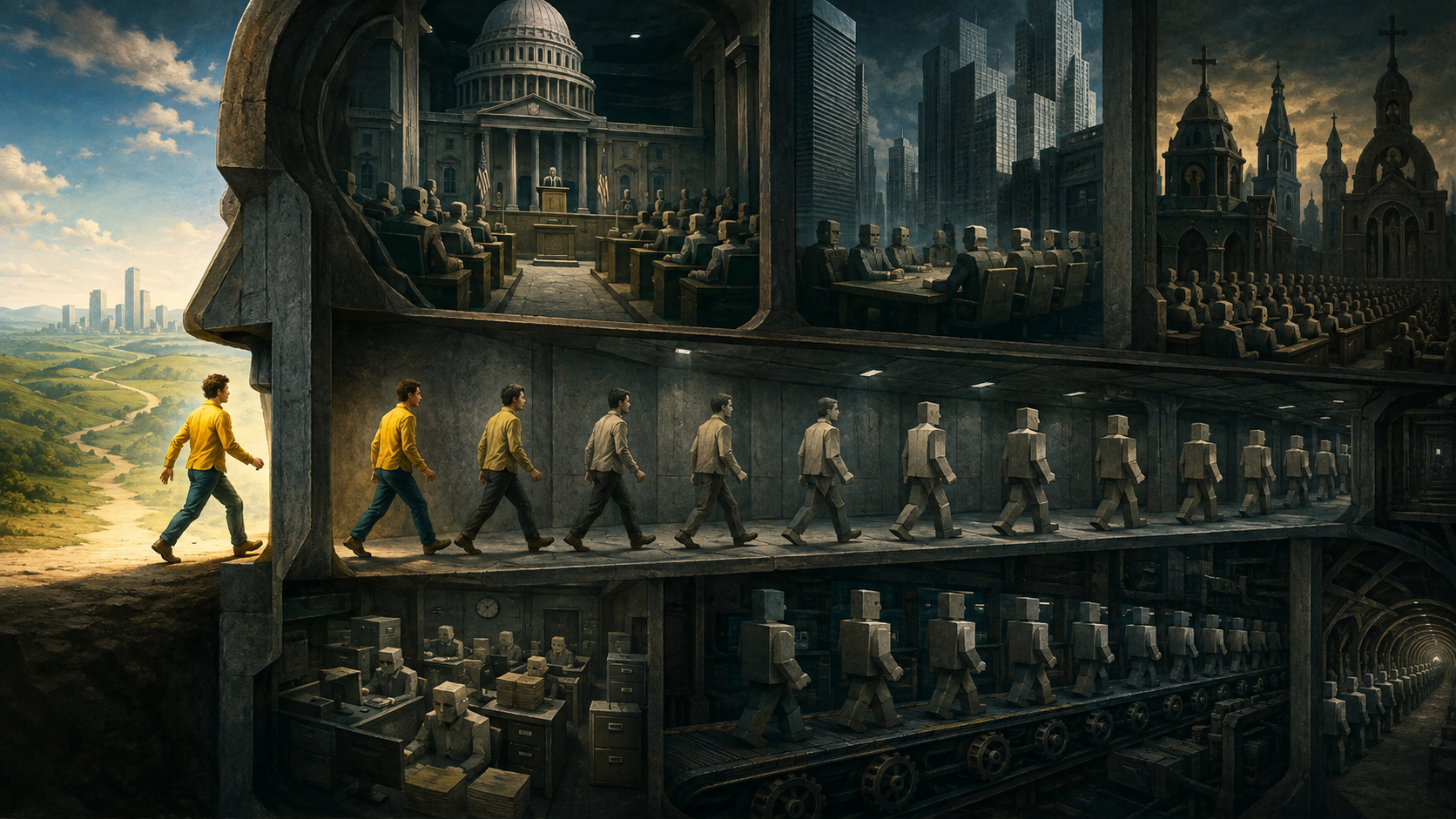
How Change Gets Swallowed
Change does not always fail because it is rejected. Sometimes it is welcomed, reshaped and slowly absorbed until it begins operating through the same assumptions it was introduced to change. This paper explores how that happens, why the pattern is so persistent, and what it takes for something genuinely new to survive contact with an existing system..

Medication Must Never Become a Substitute for Understanding
Medication can have a role in care, but it must never replace the work of understanding. When systems suppress visible distress without investigating the story, injury, trauma, environment, and circumstances behind it, intervention can reduce agency rather than restore it.

The Patience to Keep Looking
Patience is not passive. It is the capacity to keep looking long enough for understanding to become possible. When societies lose that capacity, they begin sorting people into competing platforms of worth, belonging, and exclusion — weakening the momentum required for long-term development.
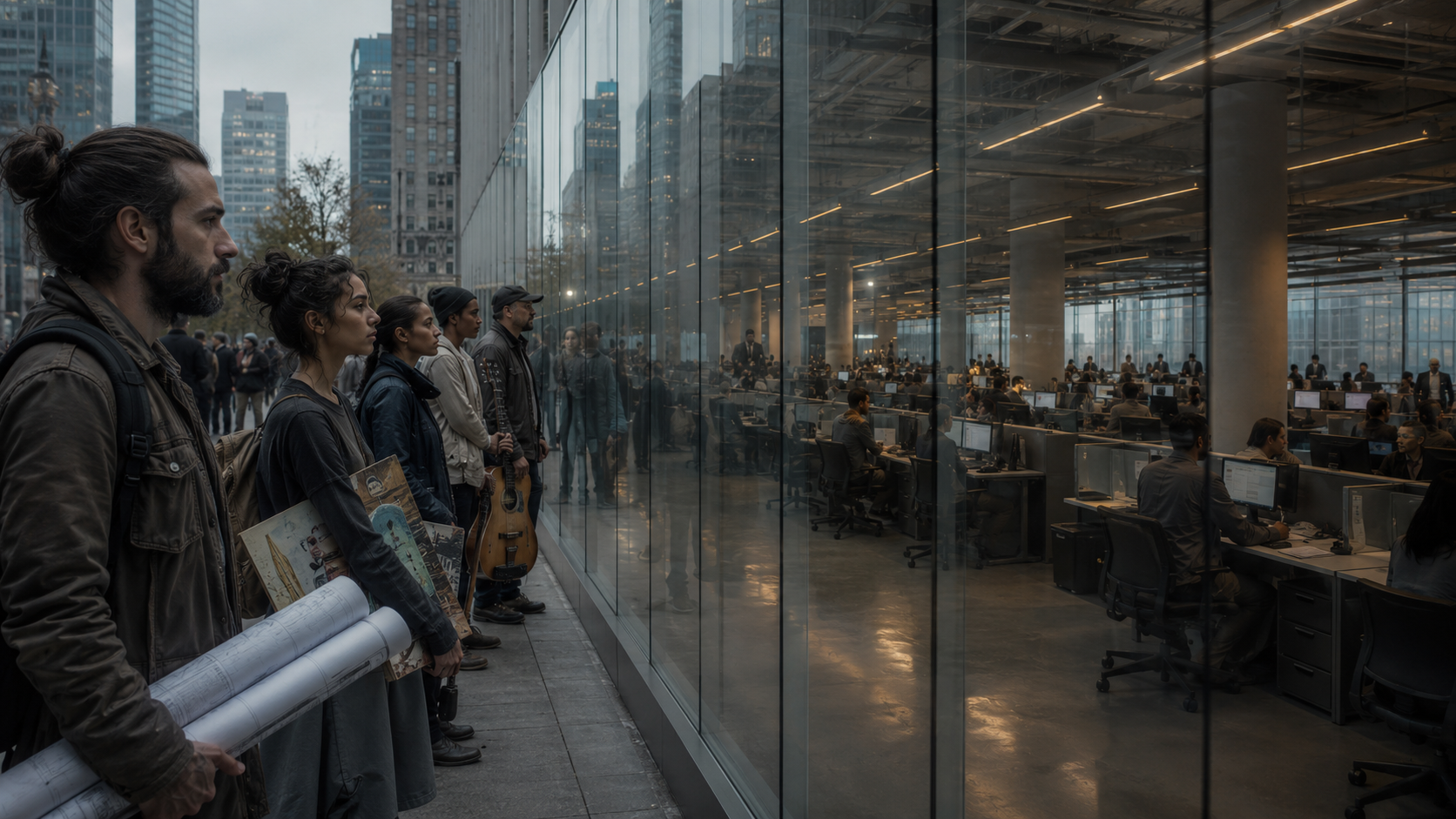
Why Societies Produce the Very Dysfunction They Fear
Much of what societies classify as dysfunction is often untapped contribution with nowhere to go. This paper explores how exclusion, rigid systems, and blocked participation pathways can unintentionally generate the very instability modern civilisation fears most.
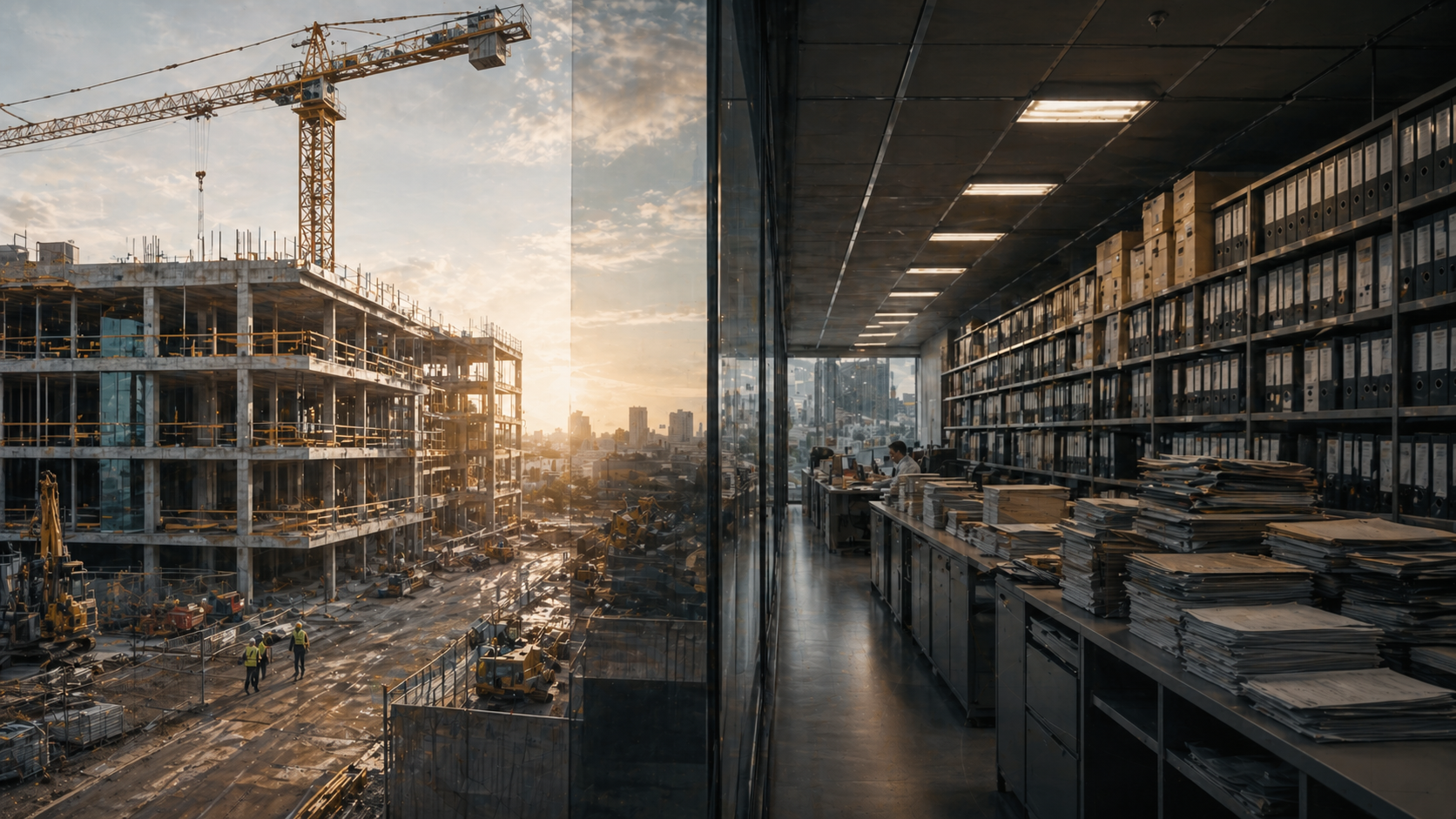
When Approval Takes Longer Than Construction: The Real Cause of the Housing Bottleneck
When approvals take longer than construction, the issue isn’t building — it’s system design. This article explores the real cause of housing delays and how coordinated systems change the outcome.
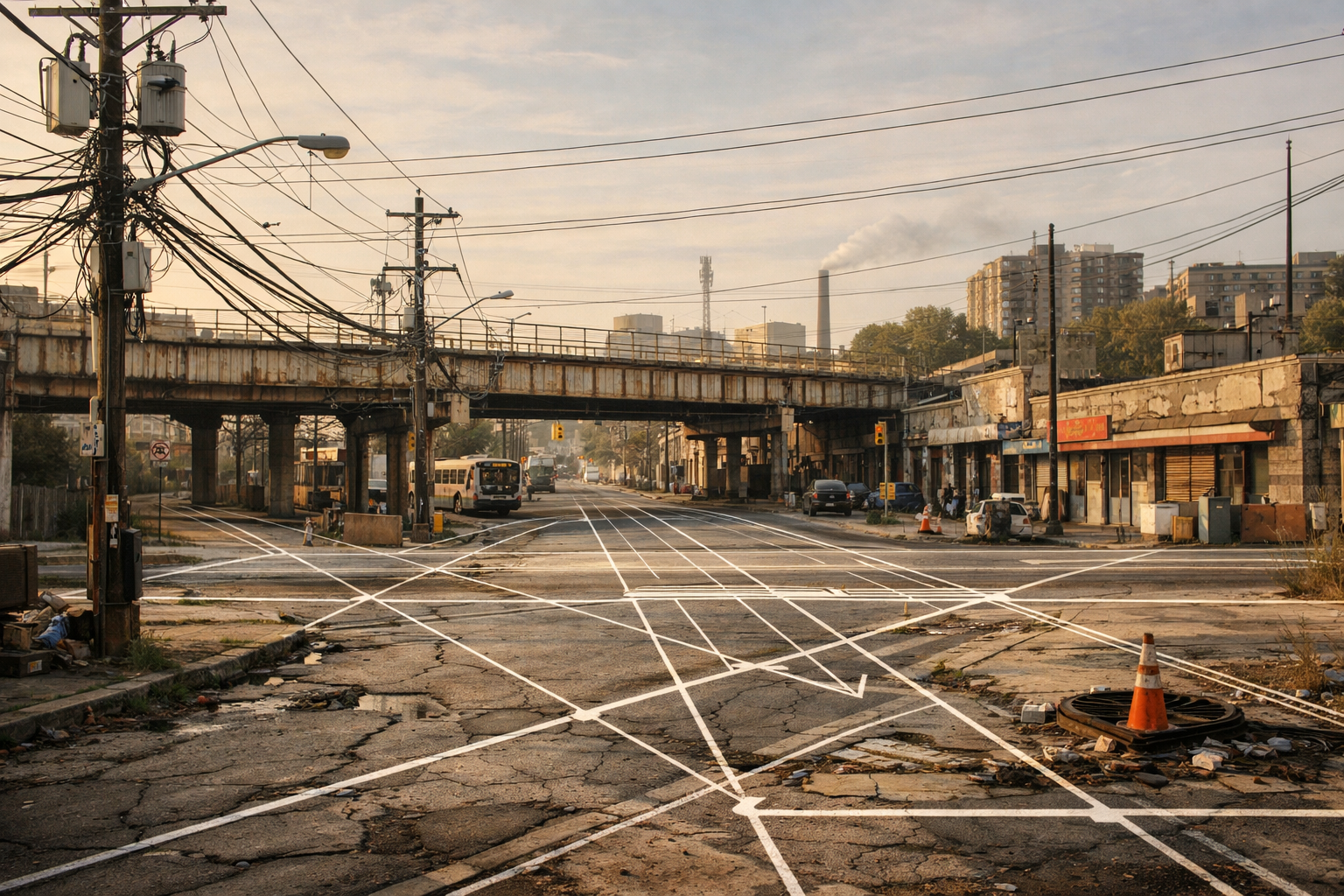
When Systems Can’t Keep Up: Bridging the Gap Between Vision and Delivery
The issue isn’t ambition — it’s translation. This article explores why systems struggle to deliver large-scale ideas and how new models bridge the gap between vision and execution.
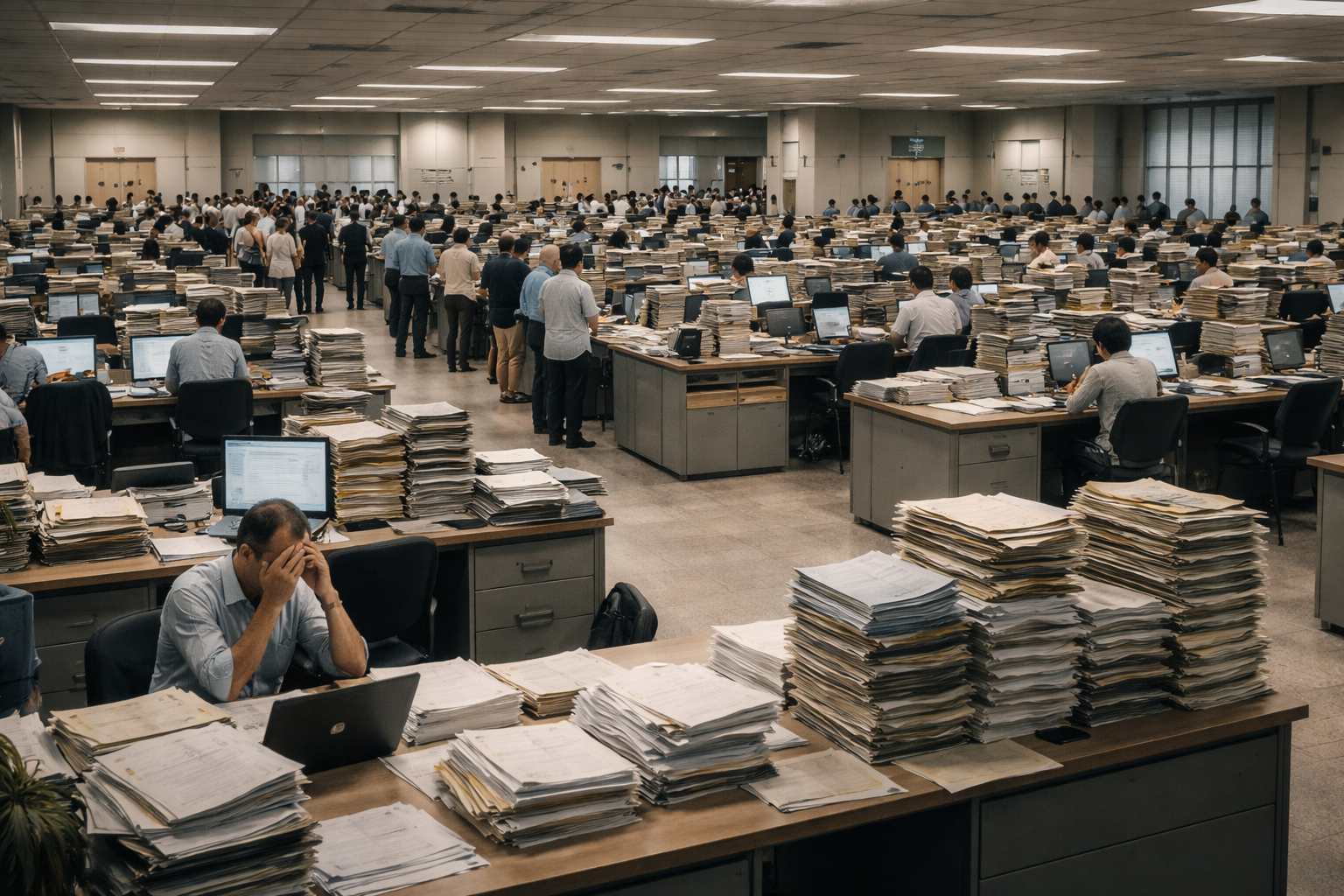
How Systems Accumulate Pressure
An analysis of how pressure forms within systems, how it is expressed through dysfunction, and why meaningful change requires structural alignment rather than surface-level reform.
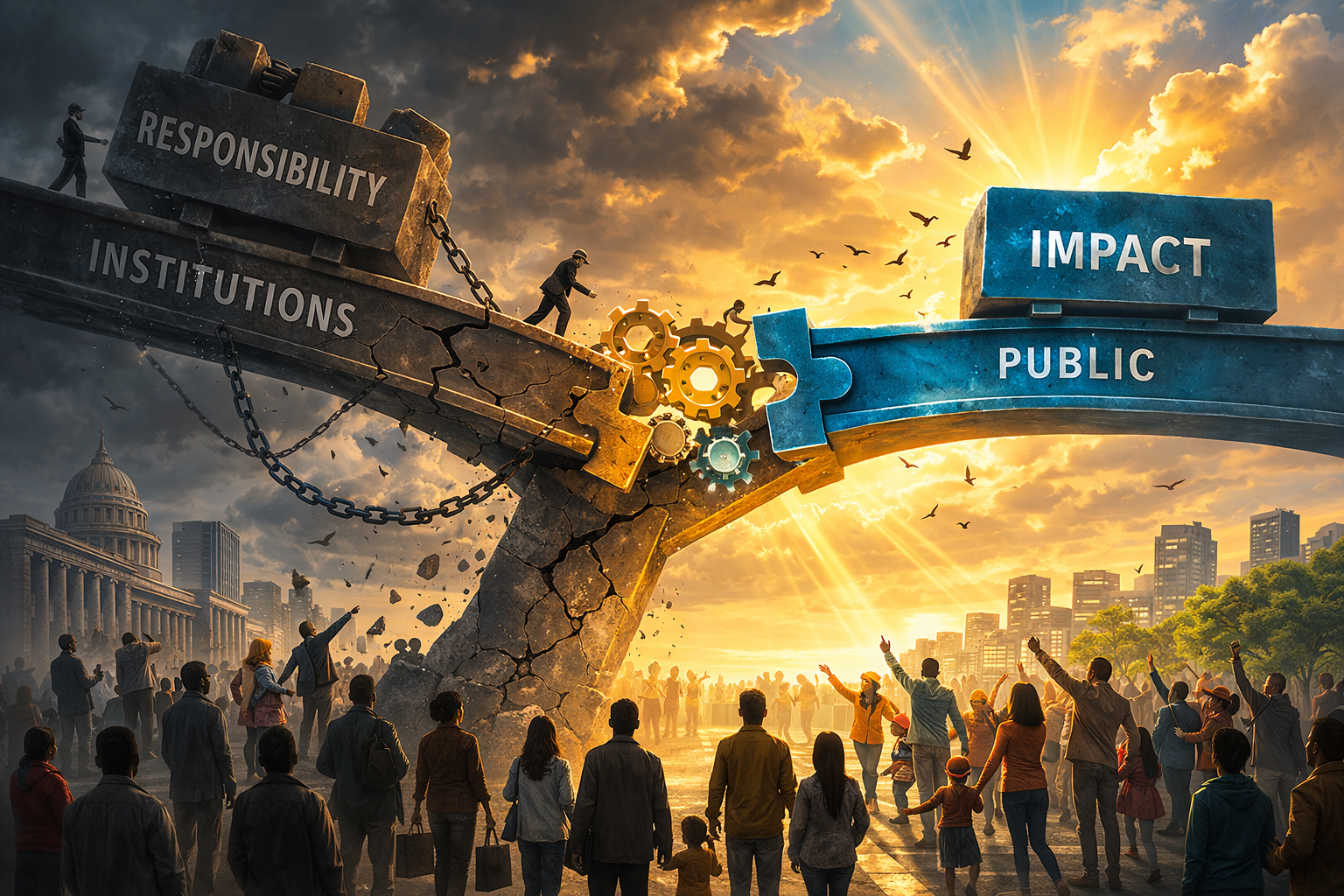
The Pressure Between the Establishment and the Punters
Modern systems often pit institutions against the public, when in reality both operate under immense pressure. This piece explores how a new model can redistribute that pressure and create alignment between the establishment and the people it serves.
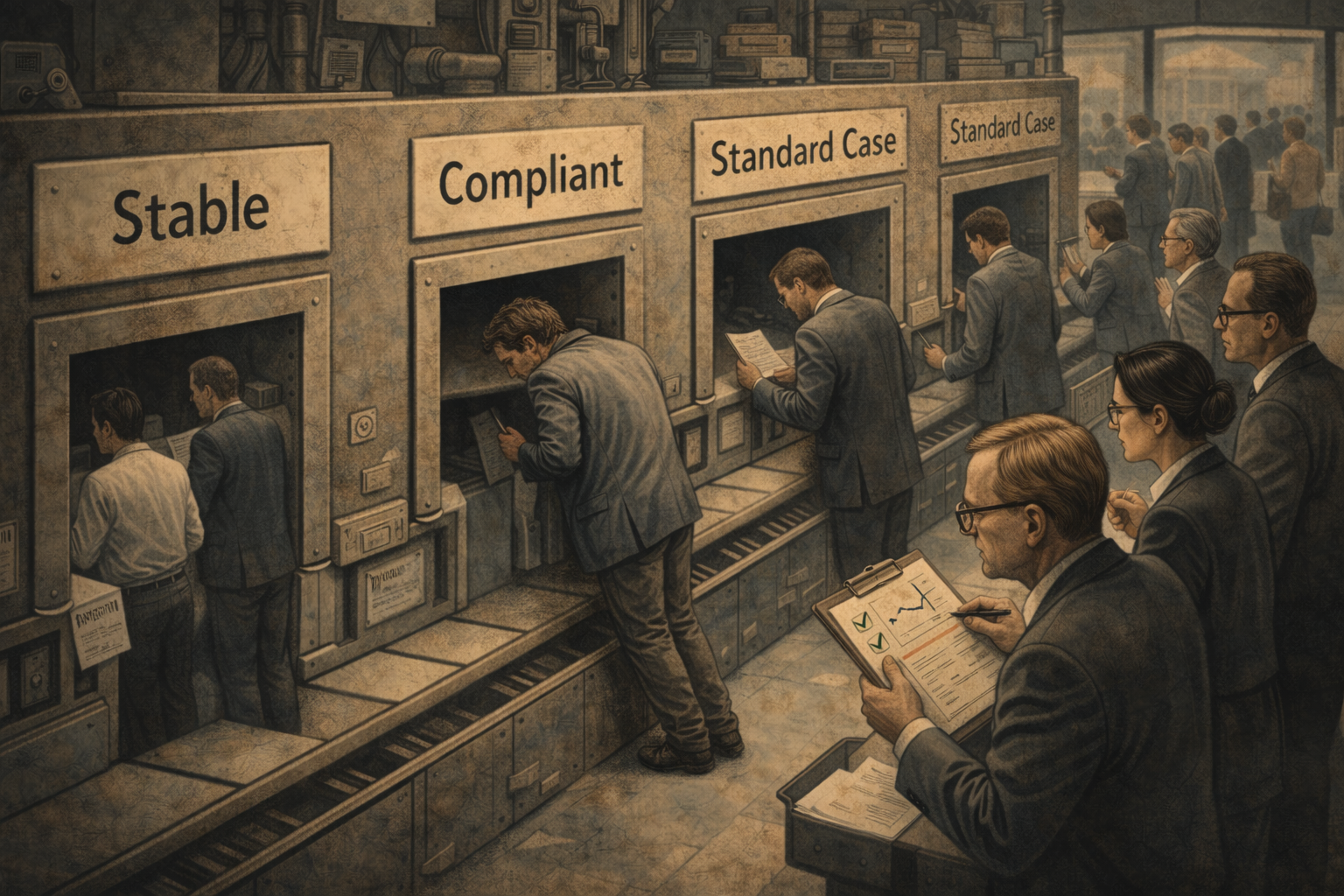
The People the System Finds Inconvenient
Many public systems work well for predictable lives but struggle with human complexity. The individuals labelled “too difficult” often reveal where our frameworks fail — and where the next generation of systems must evolve.

The Cost of Assumption
Modern systems reward speed and certainty, but assumption often replaces observation. When institutions act on projection instead of truth, errors compound and trust collapses.
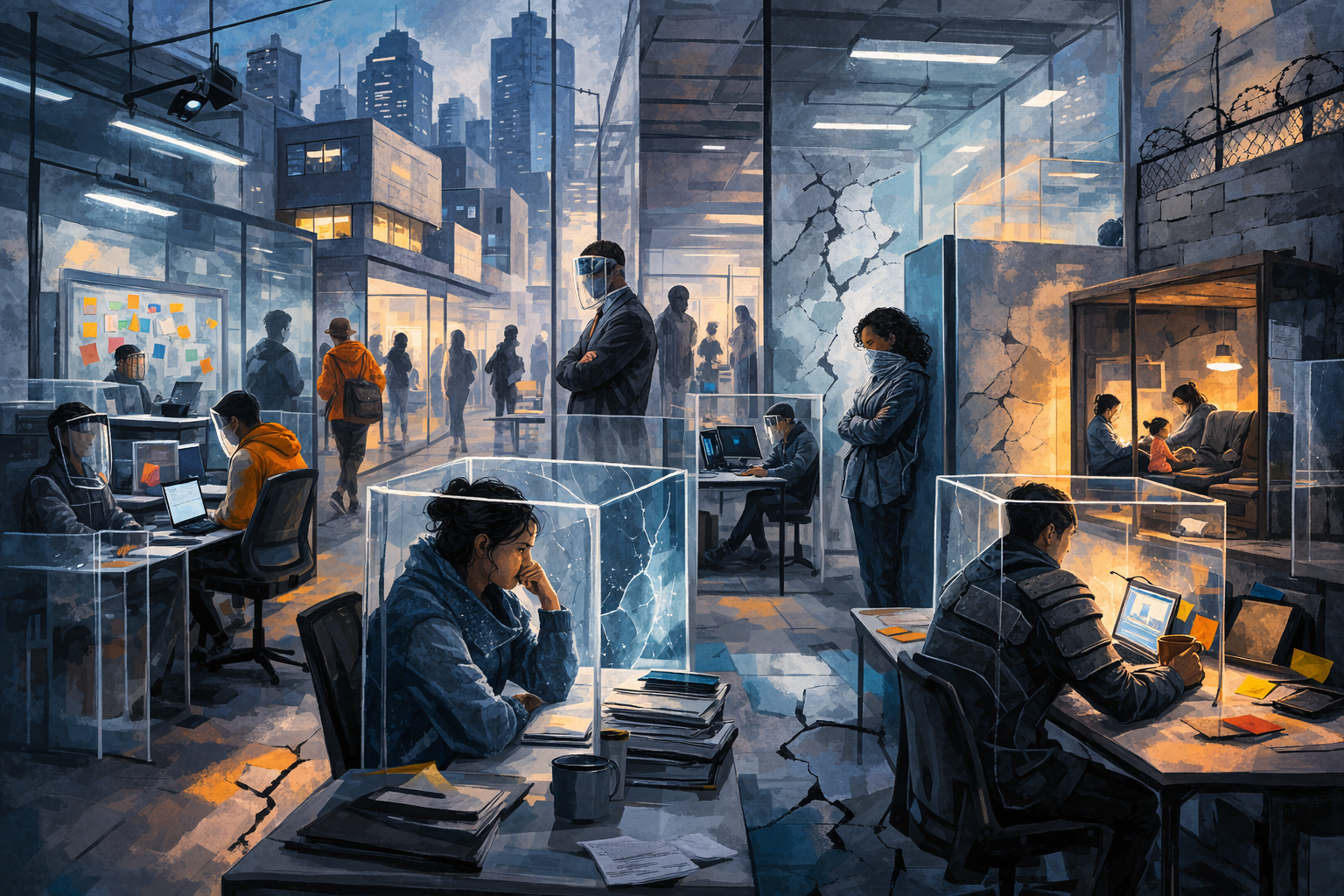
The Kind of Environment That Makes People Brave
True courage doesn’t emerge from pressure or perfection. It grows in environments designed to protect people while they develop. When safety is structural rather than conditional, individuals move from survival into contribution.
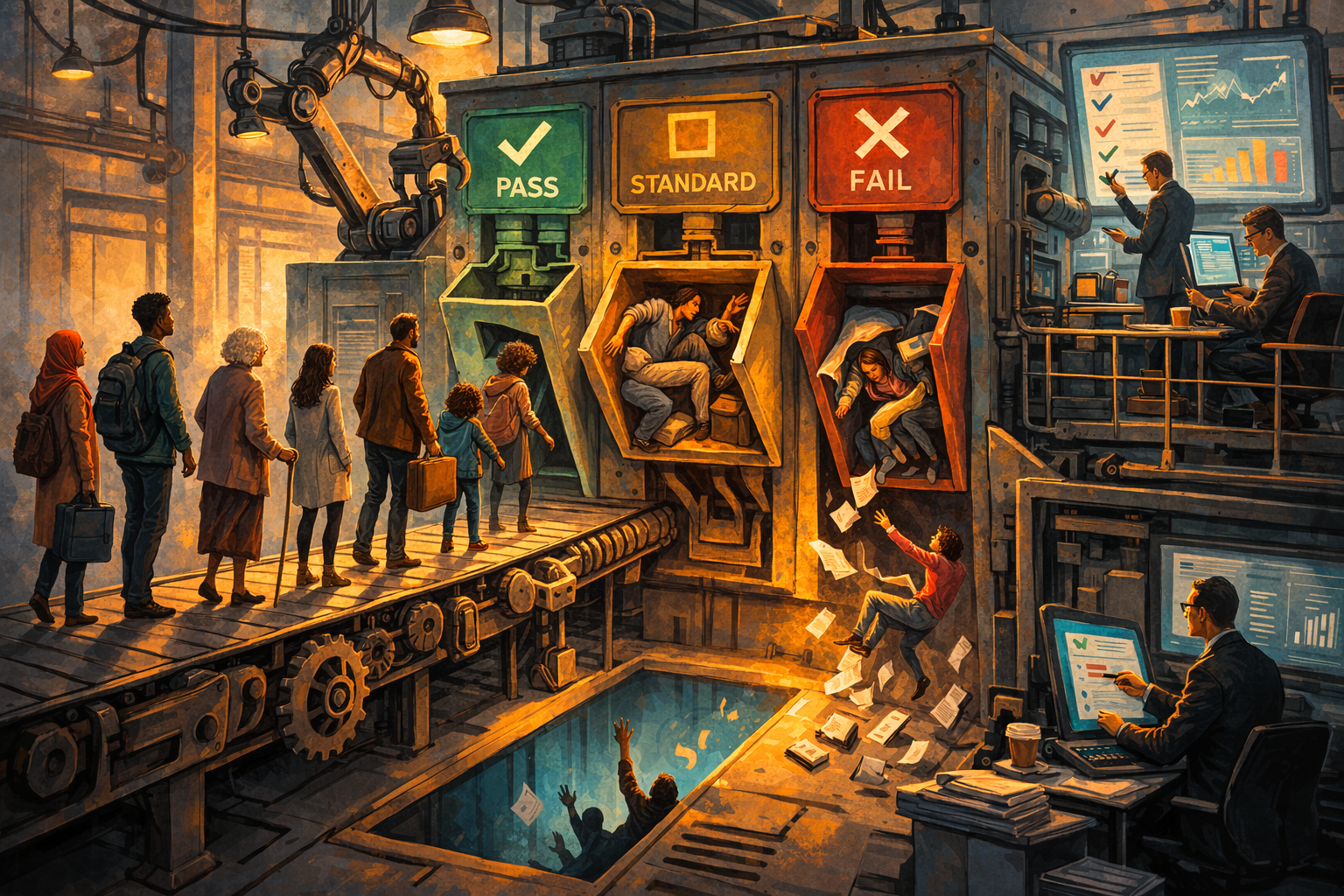
Does Everyone Fit Here?
Modern systems often claim to be inclusive, yet many are built on assumptions that filter human complexity. What happens to those who don’t fit the template?
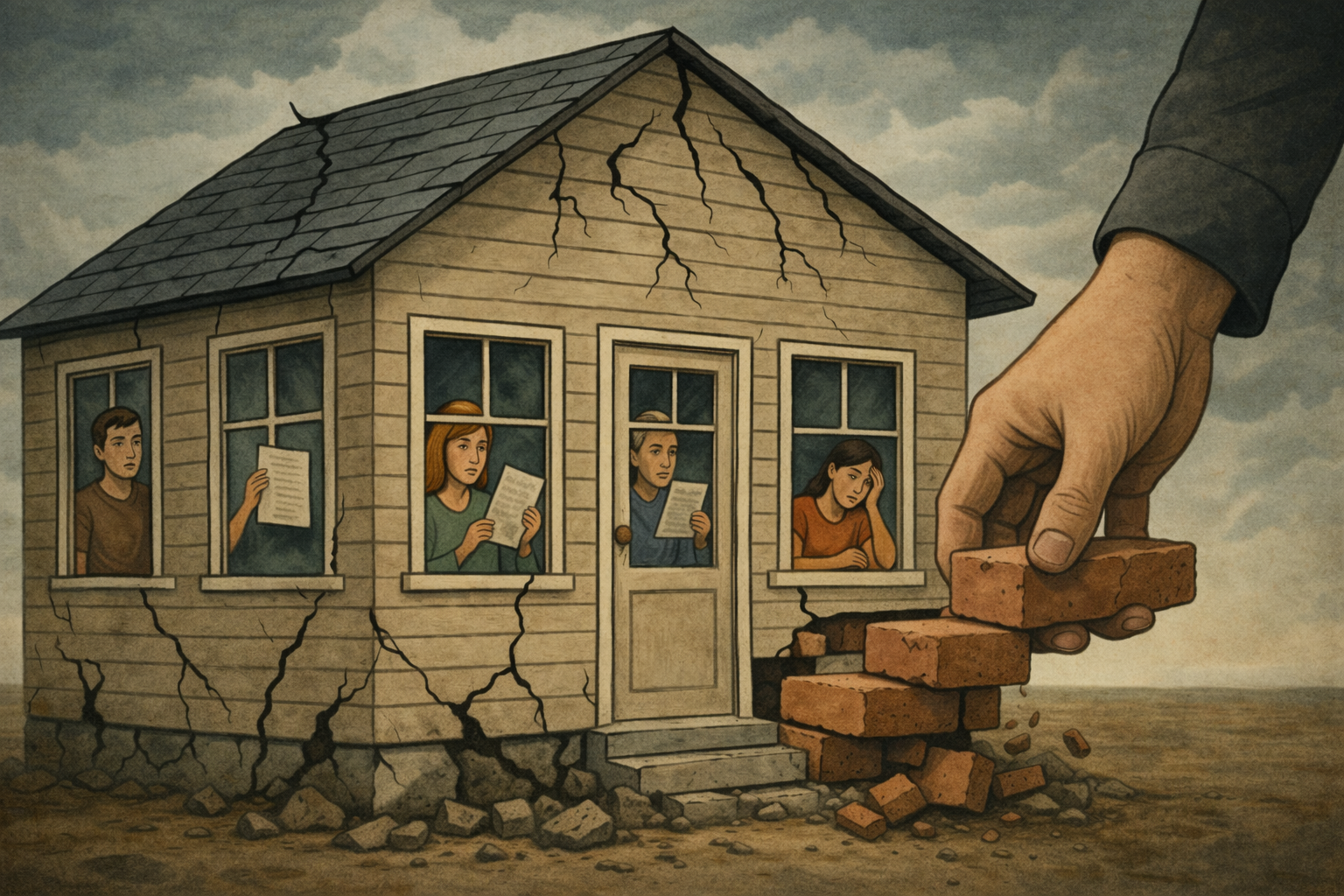
When the System Says: “That’s Not My Problem”
When housing conflicts fall between institutional responsibilities, the system often steps aside. This article explores how quiet structural gaps leave individuals navigating problems alone.

The Ones We Gave Up On
Developmental delay is often treated as personal failure, yet it frequently reflects systemic shortcomings. Reinvesting in overlooked potential is critical for sustainable societal growth.
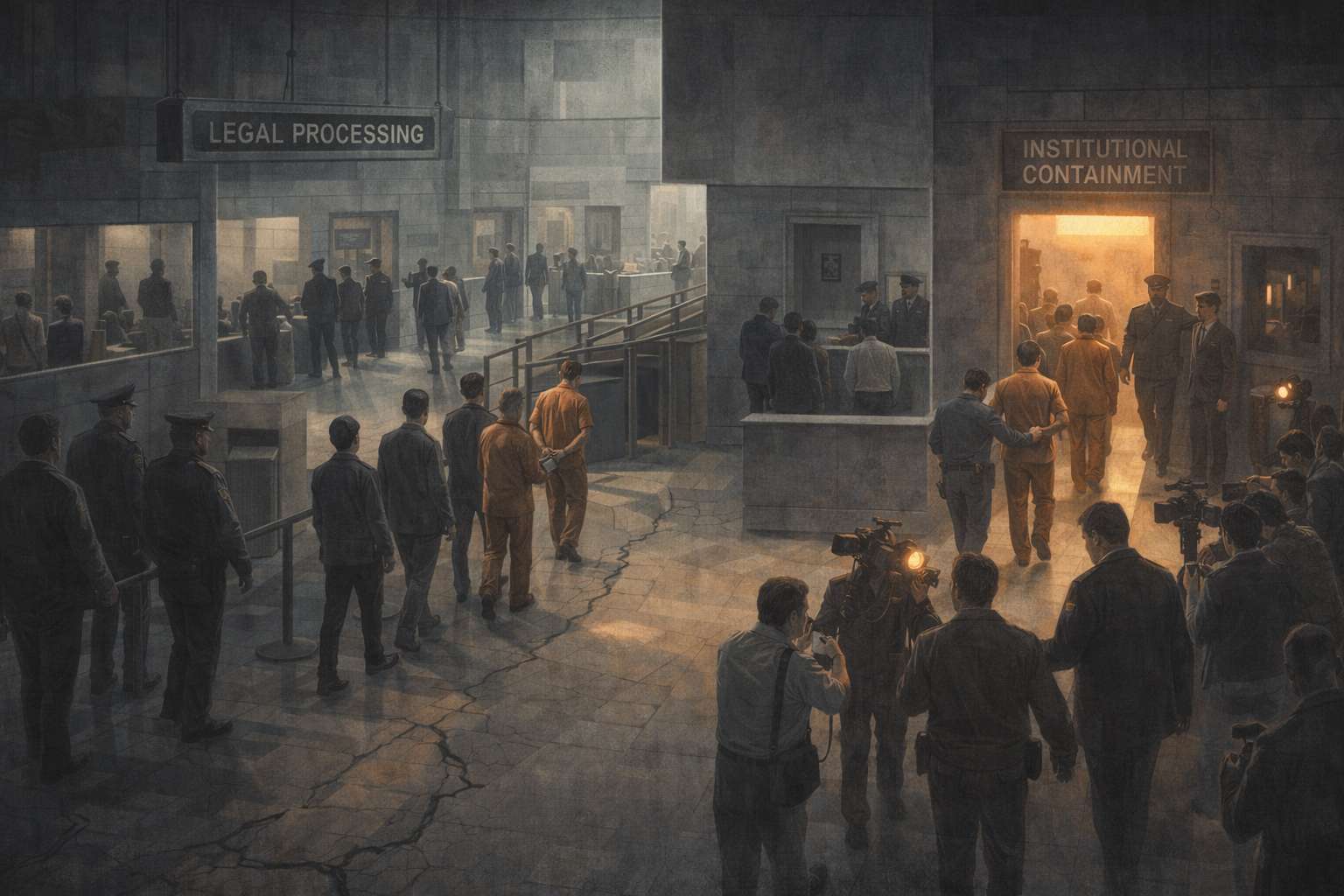
It’s Not More Consequences We Need—It’s More Connection
Reactive systems are becoming better at enforcing behaviour while losing the ability to sustain connection. Long-term stability depends less on consequence and more on relational infrastructure.
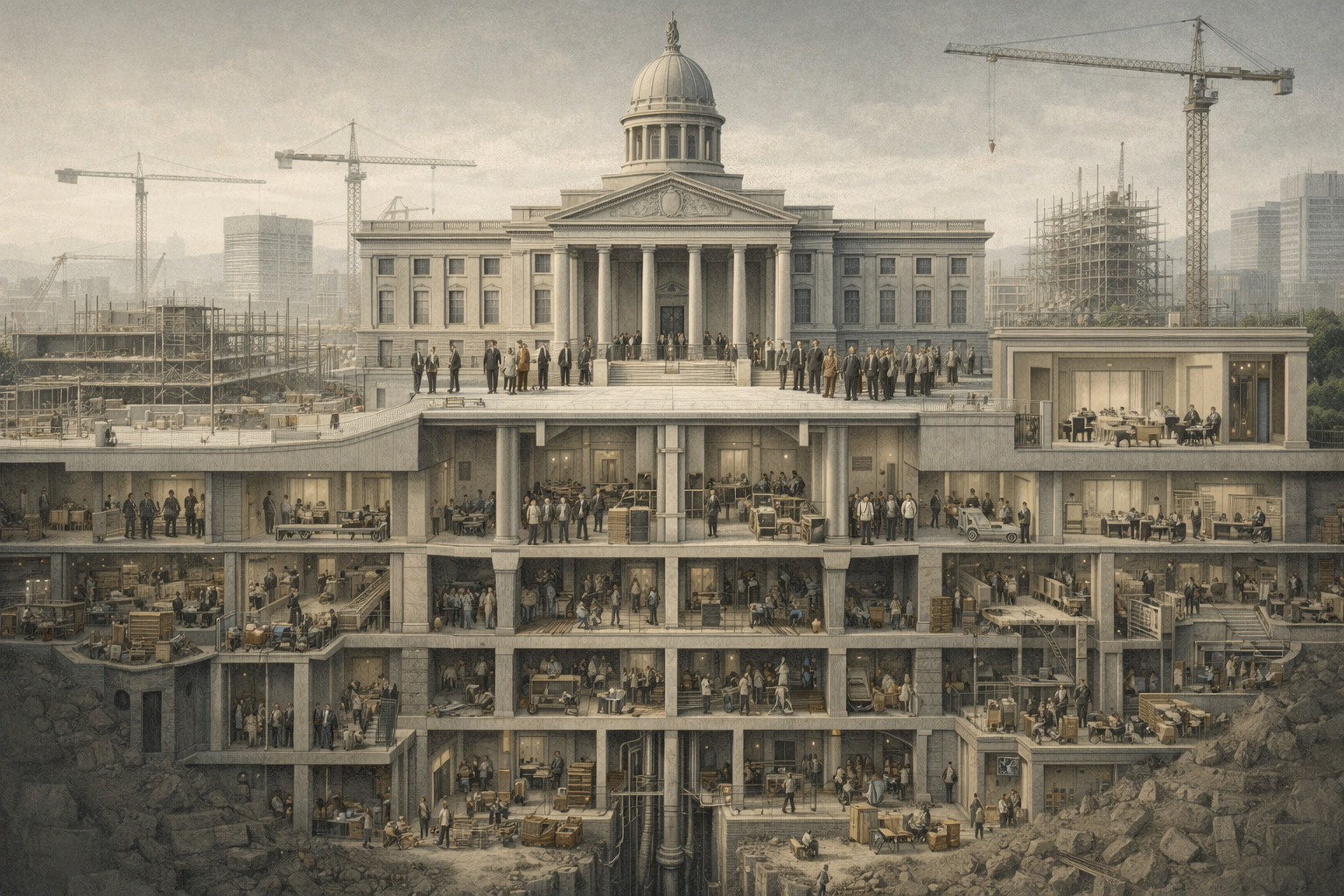
Ignore the Plebs, Collapse the Civilisation
Civilisations endure when human potential is structurally integrated. They collapse when populations are ignored. This analysis explores dignity as a systems variable rather than a moral abstraction.
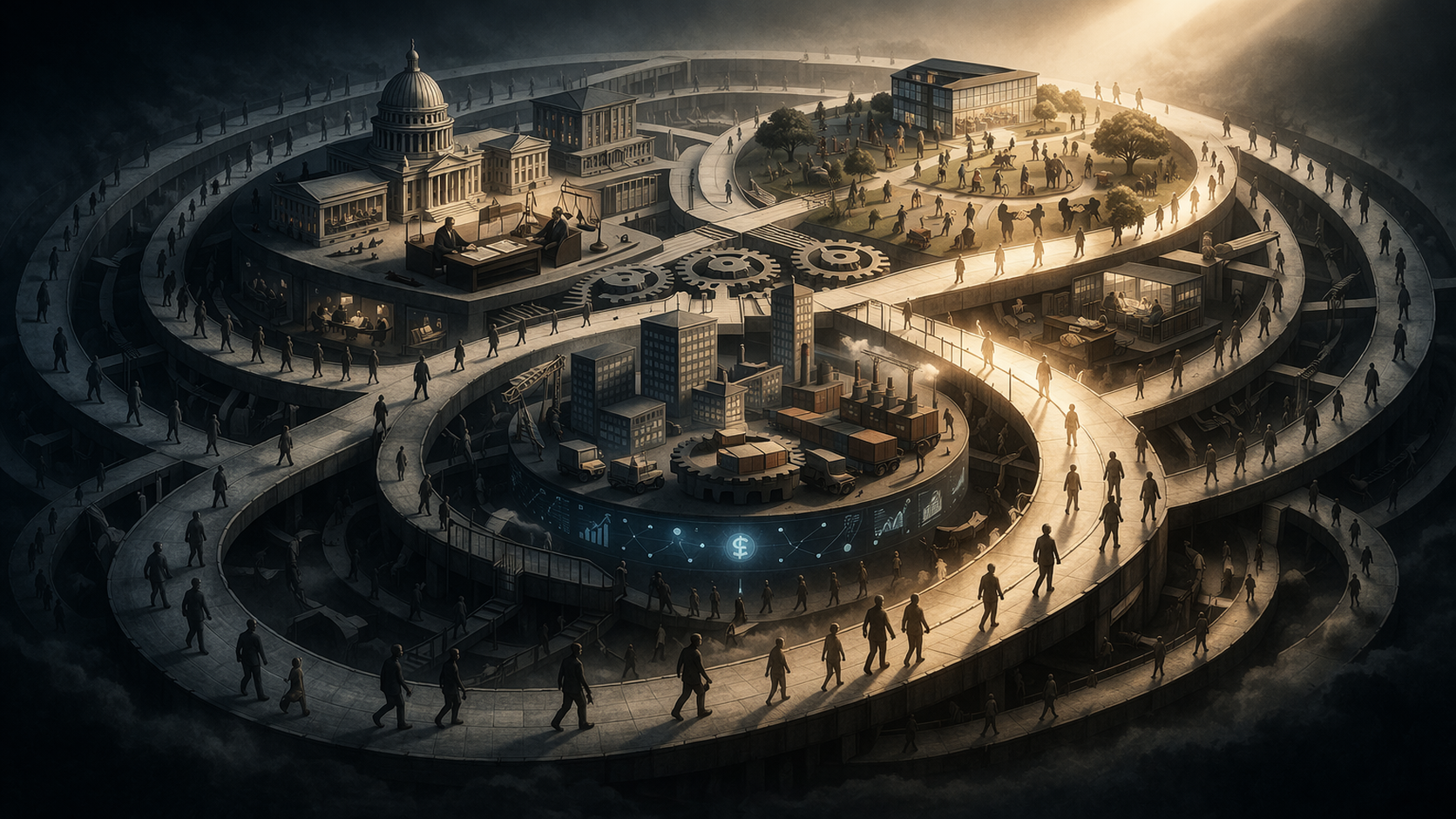
Breaking the Cycle of Mistreatment & Betrayal
Mistreatment and betrayal are often symptoms of deeper systemic deficiencies. This essay explores how punishment-first cultures unintentionally reproduce harm and how structured development can interrupt the cycle.
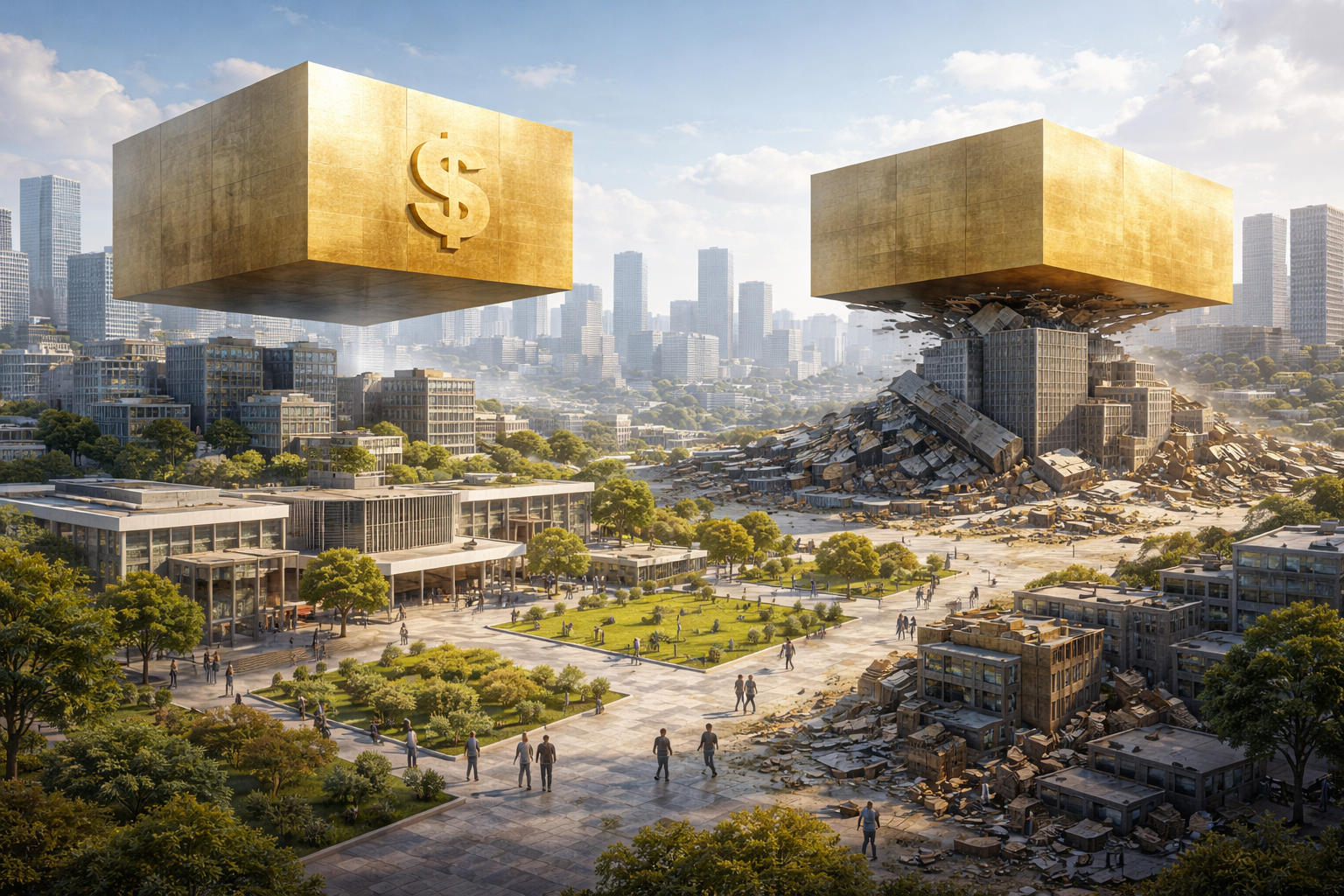
Why More Money Won’t Solve Anything—But More Wisdom Will
More money often intensifies existing dysfunction rather than solving it. This essay examines how wisdom, culture, and systemic design shape sustainable economic success.