
Field Notes from the Build
A structured record of institutional development, outreach phases, and system formation as Global Stage Management™ progresses toward activation

The Story That Gets Told
A personal testimony can reveal what external observation cannot, but diagnosis alone is not enough. This Field Notes entry places lived experience within a wider sequence of system diagnosis, response architecture, institutional accountability and pathways toward recovery, participation and redesign.

The Future Rarely Looks Familiar At First
Societies often say they want transformation, but struggle when solutions arrive in unfamiliar forms. This Field Notes entry explores the recognition problem around future-facing ideas, persistent problems, and the discipline of seeing value before familiarity makes it comfortable.
There Are Two Types of People
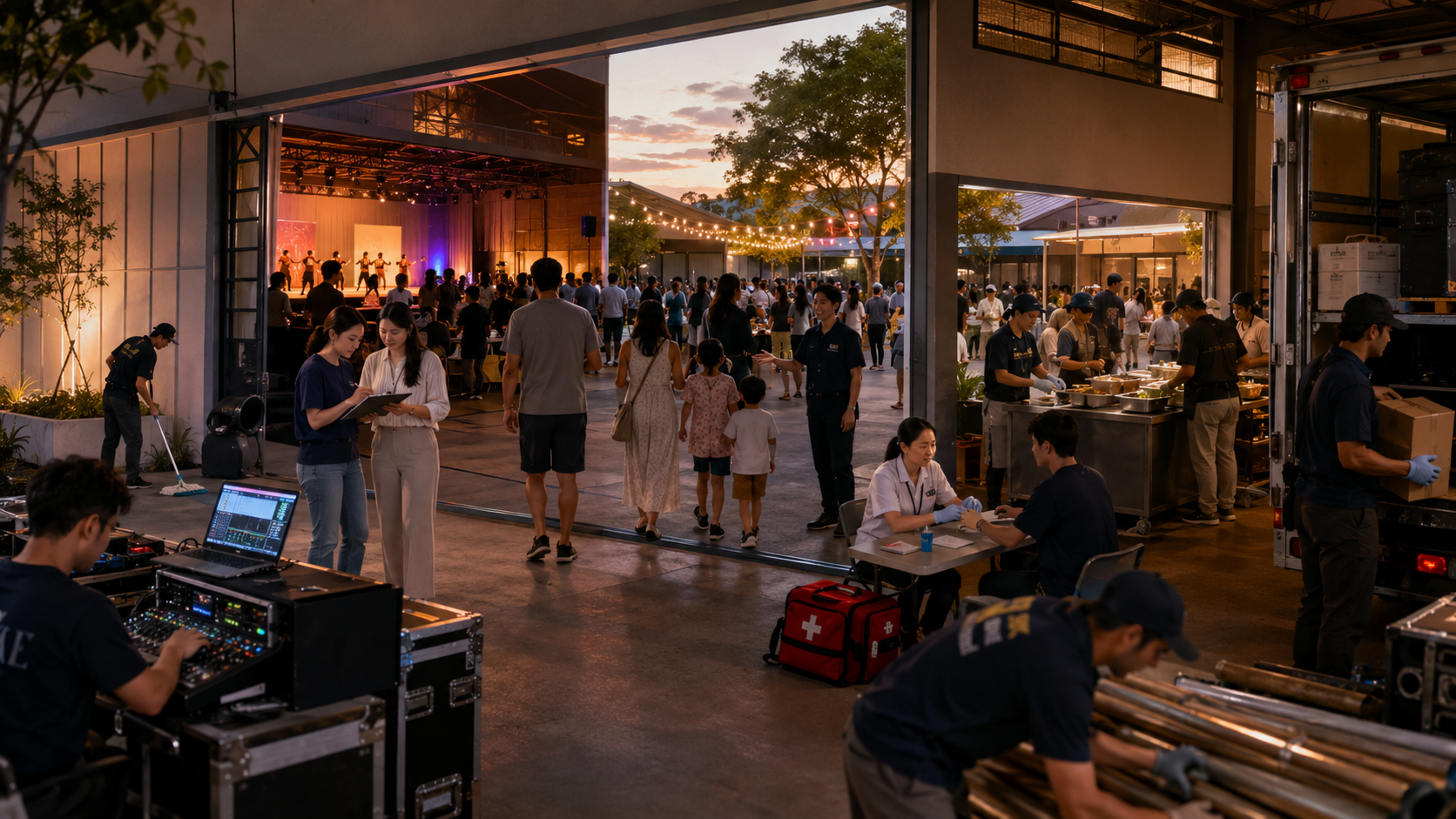
Some people create experiences. Some people enter, support, fund, stabilise, or bring them to life. This Field Notes entry explores participation as something broader than productivity, asking what people might help build if the right pathways existed around them.

The Patience to Keep Looking
Patience is not passive. This Field Notes entry explores why long-horizon systems require disciplined observation before judgement, and why societies lose momentum when they stop looking before deeper relationships, pressures, and pathways become visible.

Pressure Needs A Pathway
A reflection on how social dysfunction often forms when contribution has nowhere coherent to go, and why societies need better pathways for recognising, organising, and converting overlooked human capacity before pressure becomes breakdown.

From Written System To Carried System
A system becomes more serious when it can move beyond the place it was created. This Field Notes entry reflects on the shift from visibility into circulation, where documents, proposal packs, correspondence, and stakeholder pathways begin testing whether the work can be carried, understood, and returned to.

From Visibility To Something People Can Return To
Visibility can create attention, but serious work needs return points. This Field Notes entry explores why clear language, stable explanations, and simple pathways help people come back later and still understand how the work holds together.

Outreach Phase Reflection
This Field Notes entry reflects on the outreach phase as a sustained public-facing record, showing how repeated signals, structured sequencing, and stable reference points help complex proposal environments become more coherent over time.

Infrastructure Before Activation
Visible activation is rarely the beginning of implementation. This entry explores the hidden infrastructure layers that allow systems to carry movement, reduce friction, and remain coherent as complexity increases.
Execution Capacity & Operational Readiness
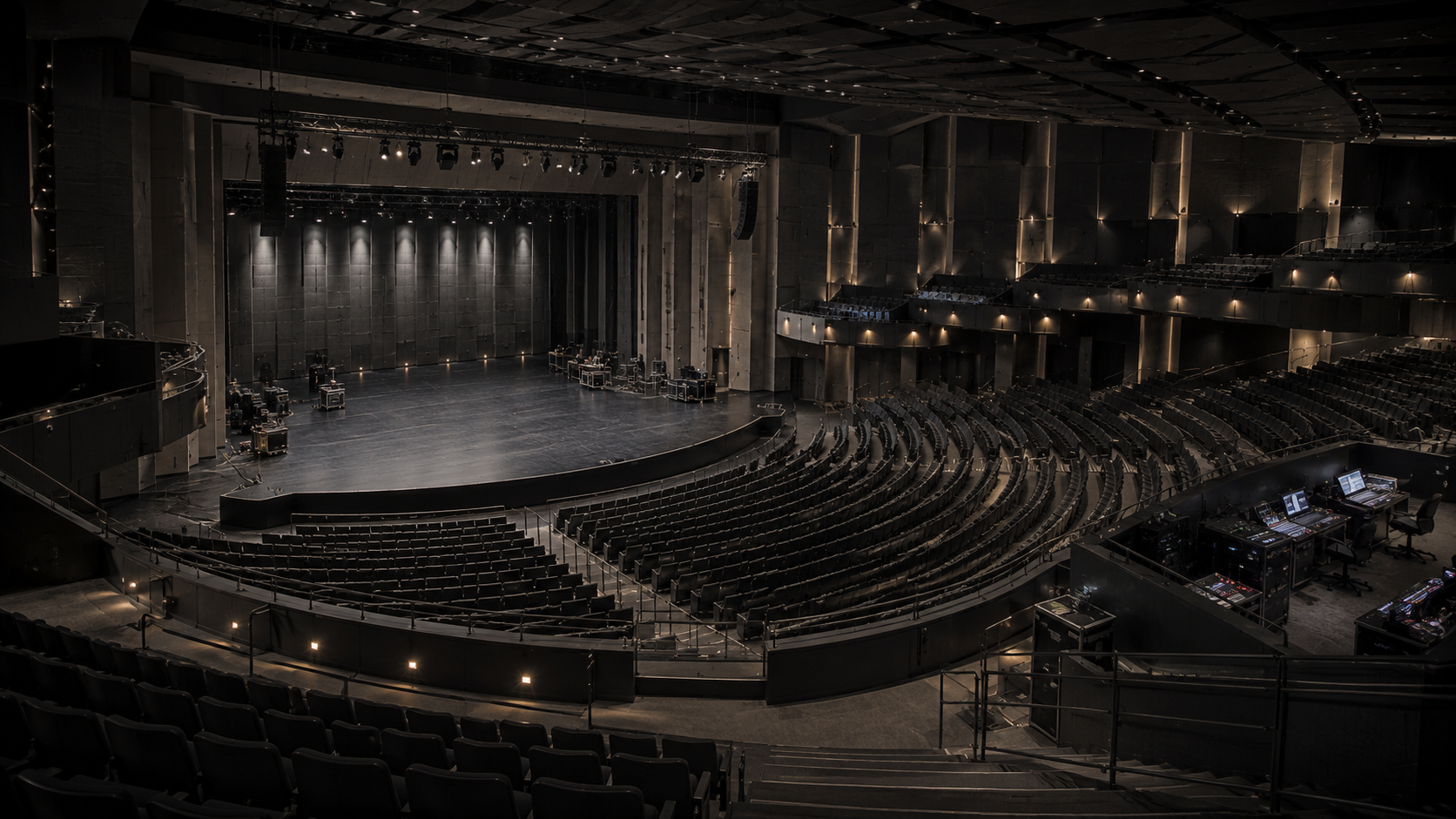
This piece explores the invisible preparation layer behind operational survivability — where sequencing, stabilisation, and continuity infrastructure determine whether systems can survive complexity once pressure arrives.
Distributed Alignment & Institutional Interface
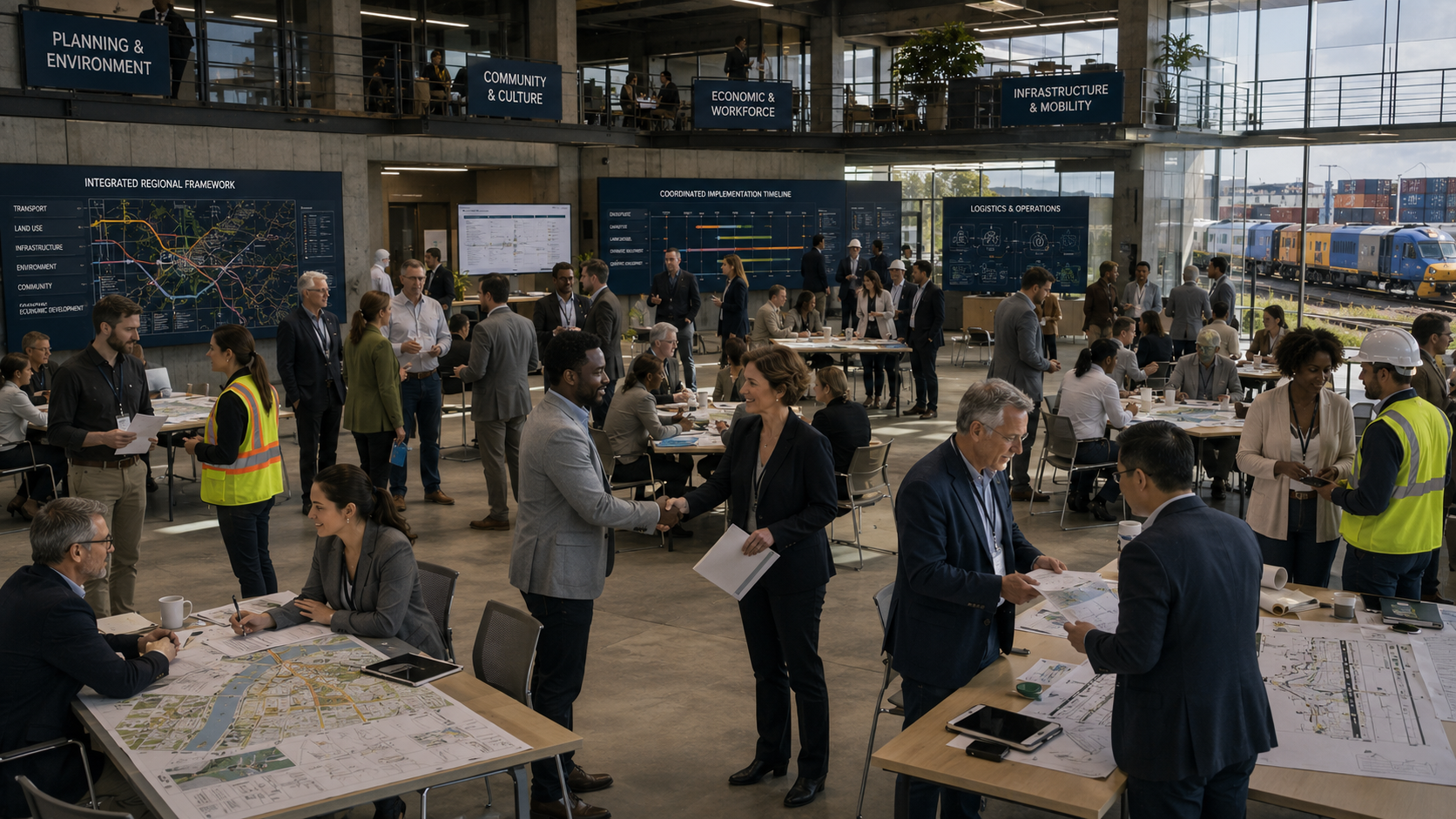
This entry explores how coalition environments develop through interoperability, interface design, and structured convergence between independently operating systems over time.
Coalition Formation Signals
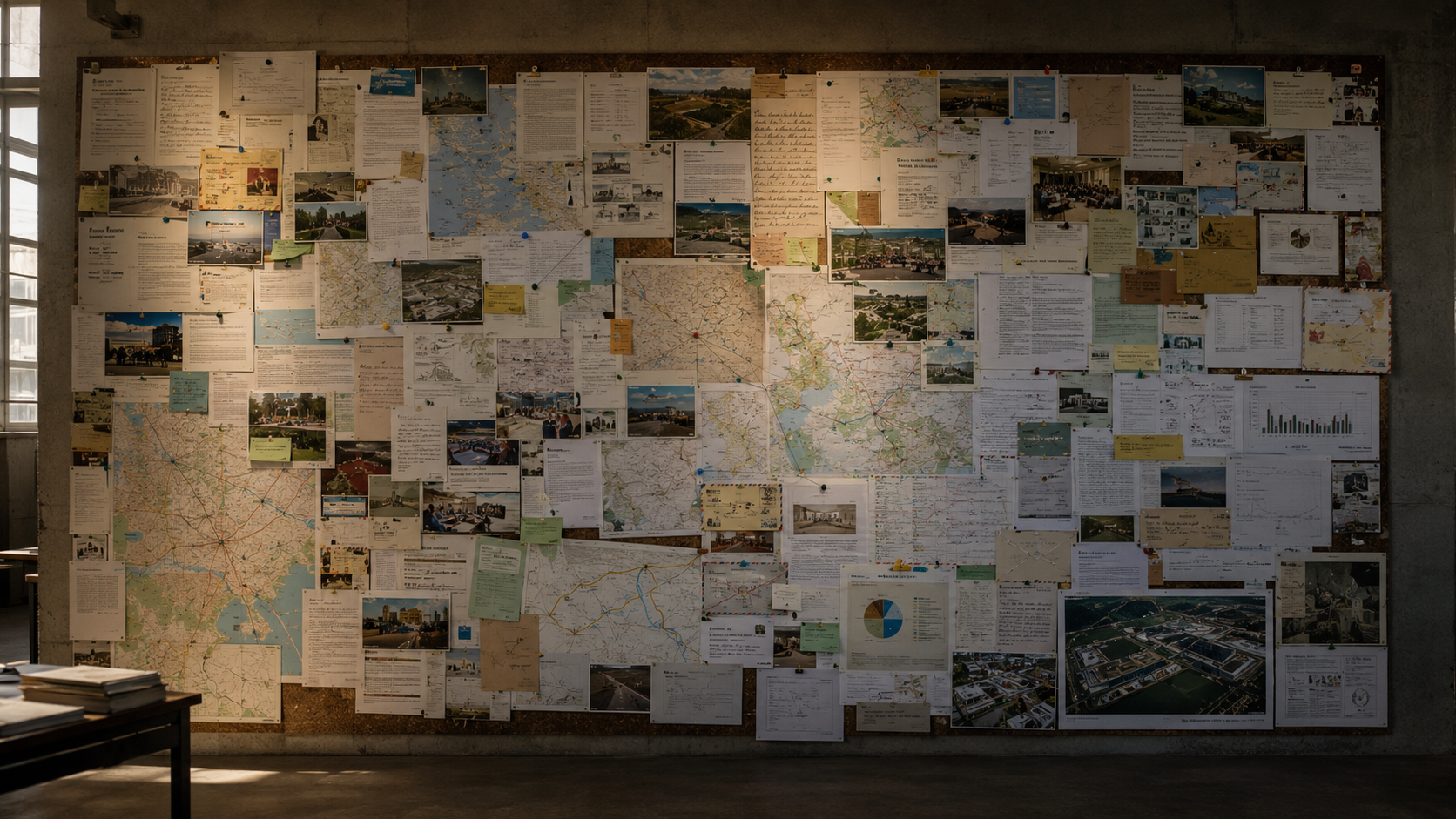
Coalition environments rarely emerge instantly. This entry explores how participation, engagement, and distributed awareness contribute to credibility formation and institutional legibility over time.

What Prevents Institutions From Drifting
Institutional decline rarely begins through visible collapse. This entry explores how governance erosion, weakened verification, accumulated pressure, and continuity failure gradually destabilise systems over time.

Why Governance Must Outlive Personality
Leadership changes. Principles endure. This entry explores why serious governance depends on continuity architectures capable of surviving transition, pressure, and institutional change.

Scaling Systems — Why Expansion Requires Structure Before Speed
Scale without structure creates instability. This Field Notes entry explores why GSM–Windland™ prioritises operational coherence, governance maturity, and validated capability before broad deployment.

Replication Logic — From Activation to Transferable Frameworks
GSM is not designed to scale through duplication alone, but through transferable operational logic capable of adapting across different governance, cultural, and economic environments while maintaining structural coherence.

Windland™ — Prototype Logic & National Scale
Windland™ is not being positioned as a conventional regional project, but as the first applied environment for GSM’s integrated systems architecture — aligning culture, governance, participation, and economic infrastructure within one coordinated operational framework.

Alignment Log — Issue 11 | From Contact to Credibility Formation
Issue 11 documents the shift from visibility toward coherence — strengthening outreach infrastructure, governance development, translation systems, and institutional maturity under expanding exposure.

Institutional Engagement Framing — Orientation Before Evaluation
Before institutions can evaluate new systems, they must first be able to interpret them. Engagement provides the framing that makes this possible.

Phase Progression — How Systems Build Through Stages
Large-scale systems do not move from proposal to full expression at once. They stabilise through phases, aligning complexity with capability and enabling sustainable growth.