Windland™ Rising
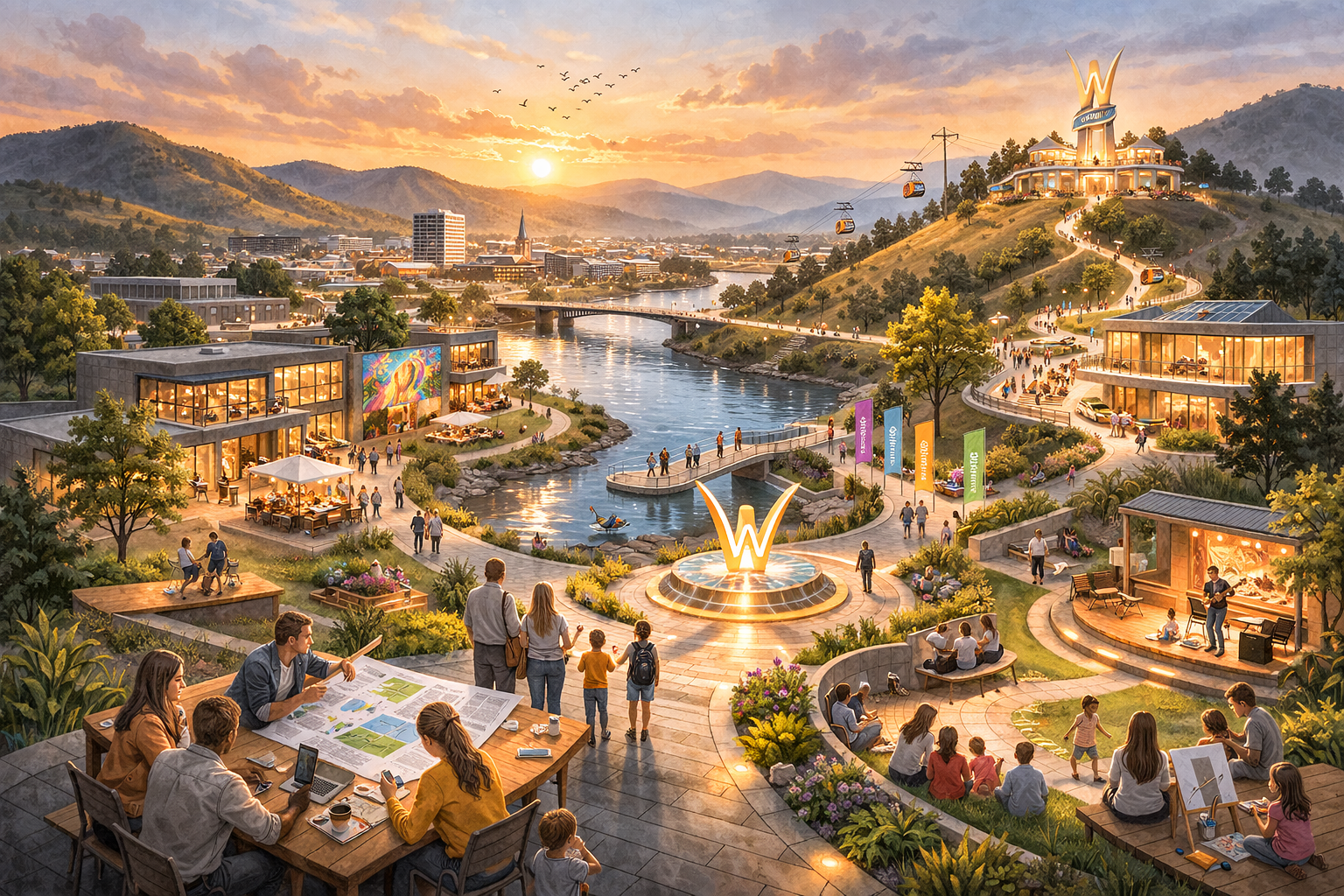
How identity architecture, symbolic leadership, and experiential infrastructure shape the emergence of globally relevant regional systems.
The Global Contest for Relevance
Across the contemporary world, cities and regions increasingly compete not only for economic investment but for cultural meaning. Infrastructure alone rarely determines long-term influence. Places that endure cultivate identity — a coherent narrative that individuals, institutions, and visitors can recognise and participate in.
This shift reflects a broader transformation in how regional development is understood. Connectivity, symbolism, and experiential coherence now influence whether a location is perceived as peripheral or globally integrated.
Within this context, Windland™ is being developed as a regional prototype demonstrating how culturally resonant economic ecosystems can be structurally formed.
Beyond Infrastructure: The Rise of Narrative Systems
Traditional development models prioritise physical assets and logistical efficiency. While necessary, these elements do not automatically generate belonging or sustained engagement. Regions that attract long-term participation combine functional infrastructure with narrative frameworks that communicate purpose.
Narrative systems allow individuals to perceive themselves as contributors to a broader civic trajectory. They transform passive geography into active cultural terrain.
Windland™ integrates symbolic identity architecture and experiential infrastructure alongside economic development mechanisms as part of an active systemic build.
Symbolic Leadership as Civic Interface
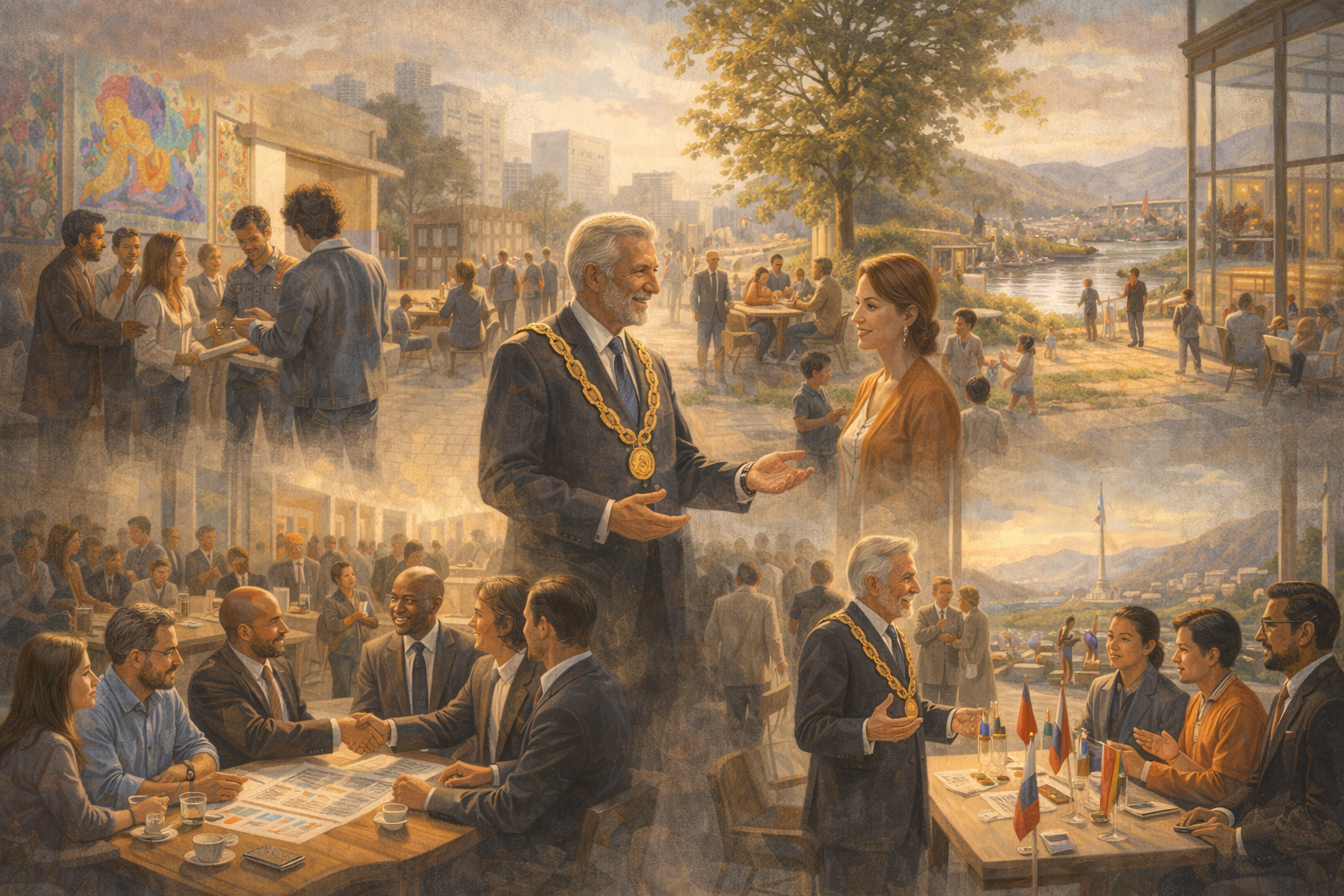
One structural component under development includes the introduction of a ceremonial Lord Mayor of Windland™. This role does not replicate or replace existing governance structures. Instead, it operates as a cultural interface between the region and the wider world.
Symbolic civic figures historically influence perception, continuity, and collective aspiration. Their presence can communicate coherence across diverse stakeholder groups, providing a recognisable representation of regional identity.
Within Windland™, this role functions as a strategic layer connecting cultural diplomacy, regional storytelling, and economic positioning through unified symbolic representation.
Representation as Development Mechanism
Symbolic leadership operates not merely as ceremonial tradition but as a mechanism for narrative transmission. When aligned with strategic objectives, it facilitates dialogue across sectors, strengthens external perception, and reinforces internal cohesion.
Through participation in cultural exchange, trade engagement, and strategic representation, symbolic figures contribute to translating regional ambition into internationally legible identity.
This reframes leadership from administrative function toward narrative stewardship embedded within development architecture.
Experiential Infrastructure and Destination Identity
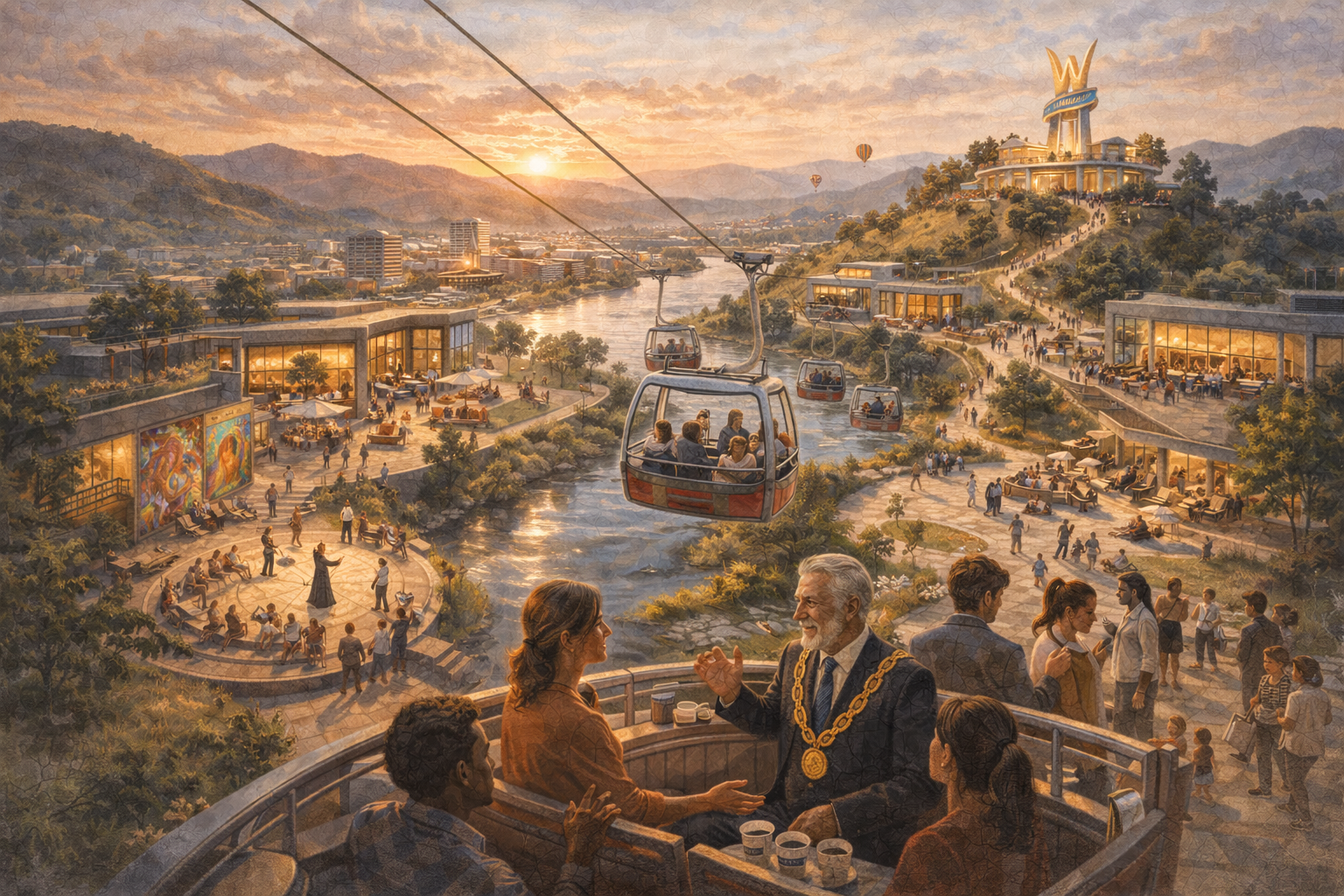
A parallel structural layer includes the Marshmallow Ascender™ — a proposed experiential sky lift connecting the urban ground plane to elevated creative destination environments.
Beyond transport function, experiential infrastructure shapes how regions are remembered, discussed, and revisited. Iconic systems embed narrative into spatial movement, influencing both tourism dynamics and identity perception.
In this sense, experiential infrastructure operates as narrative architecture integrated into developmental strategy.
The Role of Imagination in Regional Competitiveness
Creative destination design contributes to regional competitiveness by differentiating environments within global cultural networks. Experiential landmarks influence long-term economic positioning by shaping perception frameworks.
By integrating storytelling, scenic access, and creative venue ecosystems, Windland™ demonstrates how identity formation can occur through embodied experience rather than abstract branding.
Tourism infrastructure therefore becomes a developmental instrument within broader systemic positioning.
Meaning as a Structural Variable in Urban Evolution
City development is often discussed in terms of capital flow, zoning frameworks, and technological integration. Yet meaning functions as an equally significant structural variable. Regions that cultivate shared symbolic language demonstrate stronger social cohesion and adaptive capacity.
Meaning enables individuals to interpret infrastructure as part of a collective trajectory rather than isolated functional assets.
Windland™ operationalises symbolic constructs and experiential design alongside economic strategy to produce environments perceived as culturally intentional.
Integrating Culture, Commerce, and Human Creativity
Within the broader GSM™ framework, Windland™ functions as an integrated development platform. Cultural identity, economic activation, and human creative participation operate as mutually reinforcing systems.
Through mechanisms aligned with the Seven Dimension Global Business Engine™, the initiative establishes pathways through which regional centres evolve into interconnected nodes of cultural production, trade exchange, and experiential innovation.
This systemic architecture positions regional development as orchestrated alignment rather than fragmented growth.
Regional Identity as Global Interface
Windland™ is structured as a transition pathway through which regions move from geographic designation to globally recognised cultural interface. Symbolic leadership and experiential infrastructure form coordinated layers within this transformation.
Regional evolution therefore becomes intentional narrative construction embedded within structural design — shaping both perception and long-term economic trajectory.