
Beyond The Surface
Reflections, frameworks, and cultural observations from the intersection of systems thinking, human experience, and creative execution
Insights & Perspectives
Beyond the Surface is where I examine the patterns beneath public life, personal experience, cultural behaviour, and system design.
These essays move between strategic frameworks, lived observation, creative practice, and the human tensions that shape the environments we build and inhabit. Some pieces sit close to Global Stage Management. Others begin from everyday life, conflict, memory, media, politics, culture, or the quiet moments where larger patterns reveal themselves.
This is not a space for quick reaction. It is a place for slower thinking — where ideas are tested, assumptions are questioned, and familiar problems are looked at from a deeper angle.
“This is where I document the quiet truths and catalytic questions that shape the way forward. Thanks for arriving here with open eyes.”
— Amos Ashley

We Don't Need More Heroes — We Need More Gardeners
What if many of the people we judge as difficult, delayed, or disengaged were simply never given the right conditions to grow? This piece argues for a more life-giving culture — one built by gardeners, not just heroes.

What Are We Really Building Toward?
What we build is shaped by why we build it. When ambition expands beyond survival and validation, progress becomes infrastructure for future generations rather than a temporary personal win.
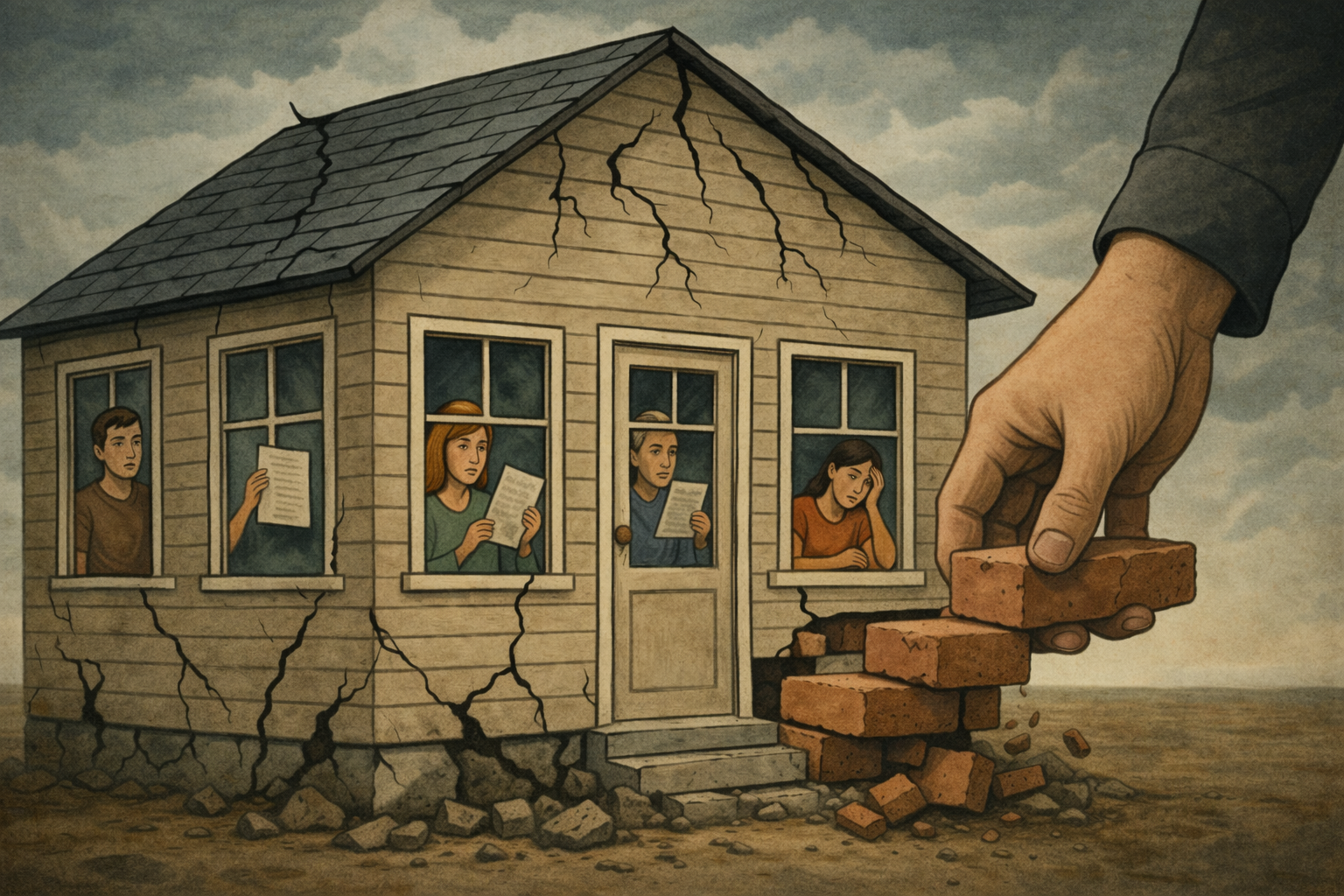
When the System Says: “That’s Not My Problem”
When housing conflicts fall between institutional responsibilities, the system often steps aside. This article explores how quiet structural gaps leave individuals navigating problems alone.

The Ones We Gave Up On
Developmental delay is often treated as personal failure, yet it frequently reflects systemic shortcomings. Reinvesting in overlooked potential is critical for sustainable societal growth.

Feeding the Sky: Stewardship That Returns Energy to the Region
How distributed acts of ecological care can function as stabilising civic infrastructure — shaping emotional resilience, cultural identity, and regional vitality.
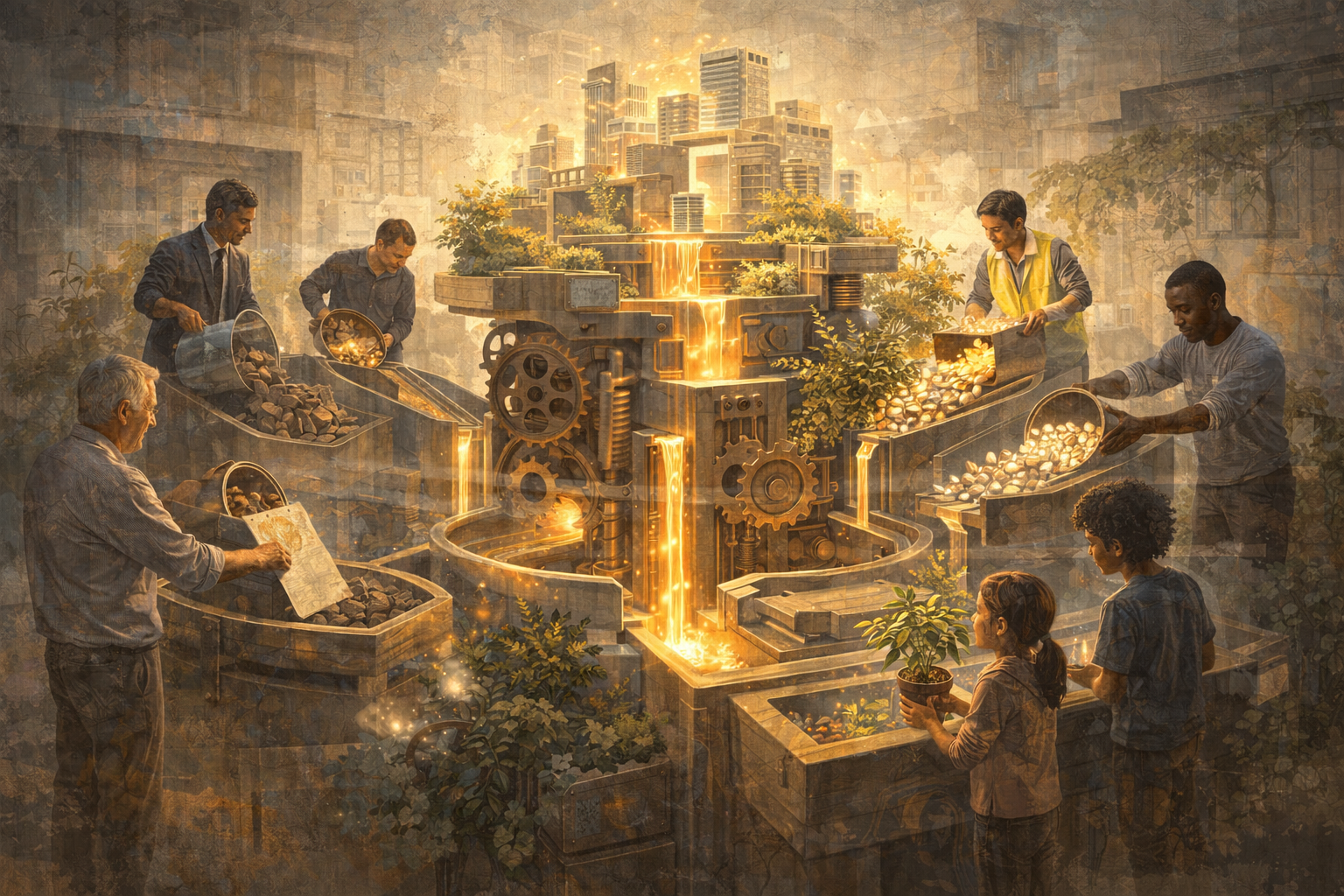
The Models We Build, The Pearls We Shape
Cultural transformation is not driven by vision alone but by the frameworks that structure participation and growth. This article explores how systemic architecture determines whether societies stagnate or evolve.
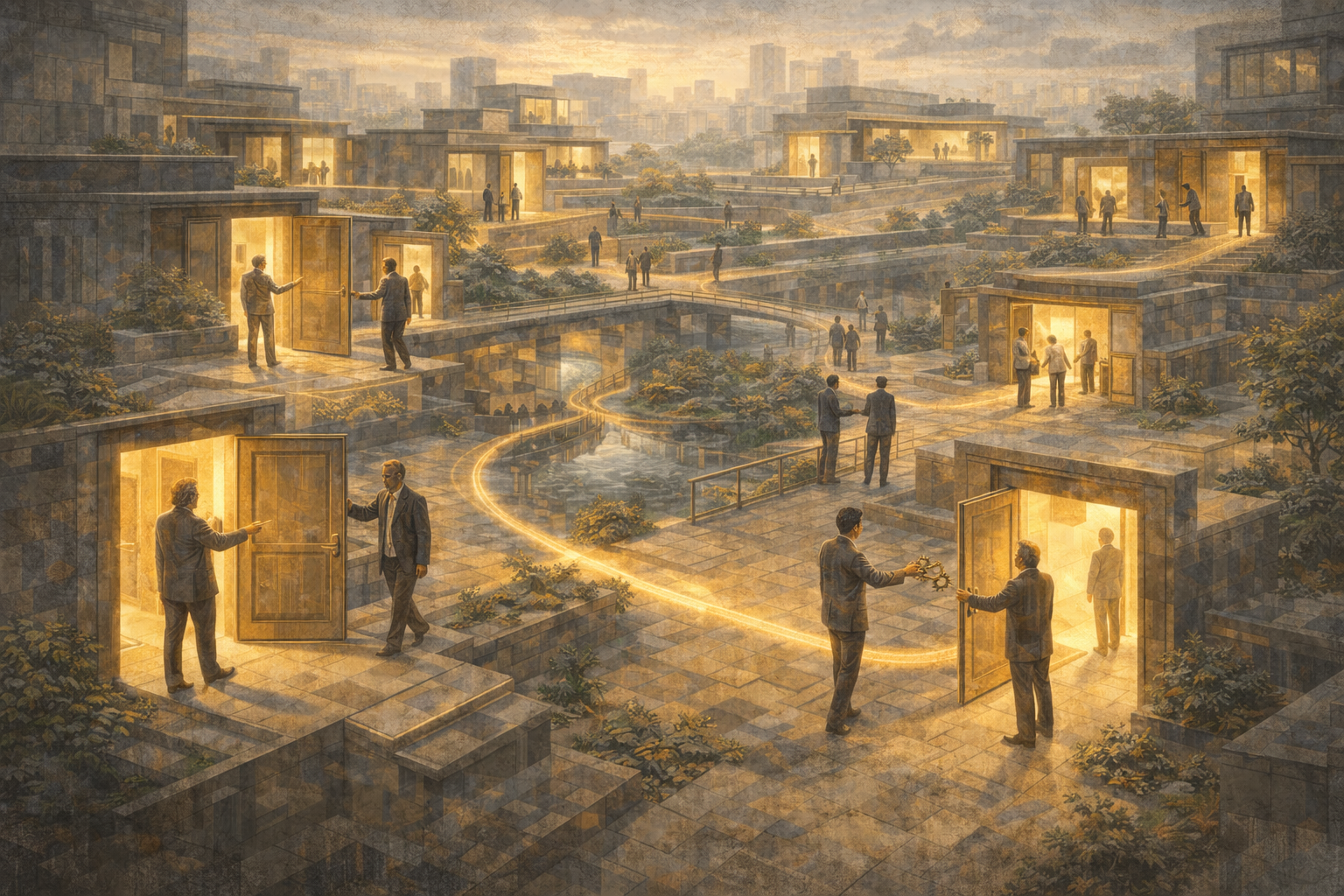
Open Doors, Shift Culture
Small acts of enabling others can generate large-scale cultural movement. This article explores how participation frameworks transform isolated effort into systemic evolution.
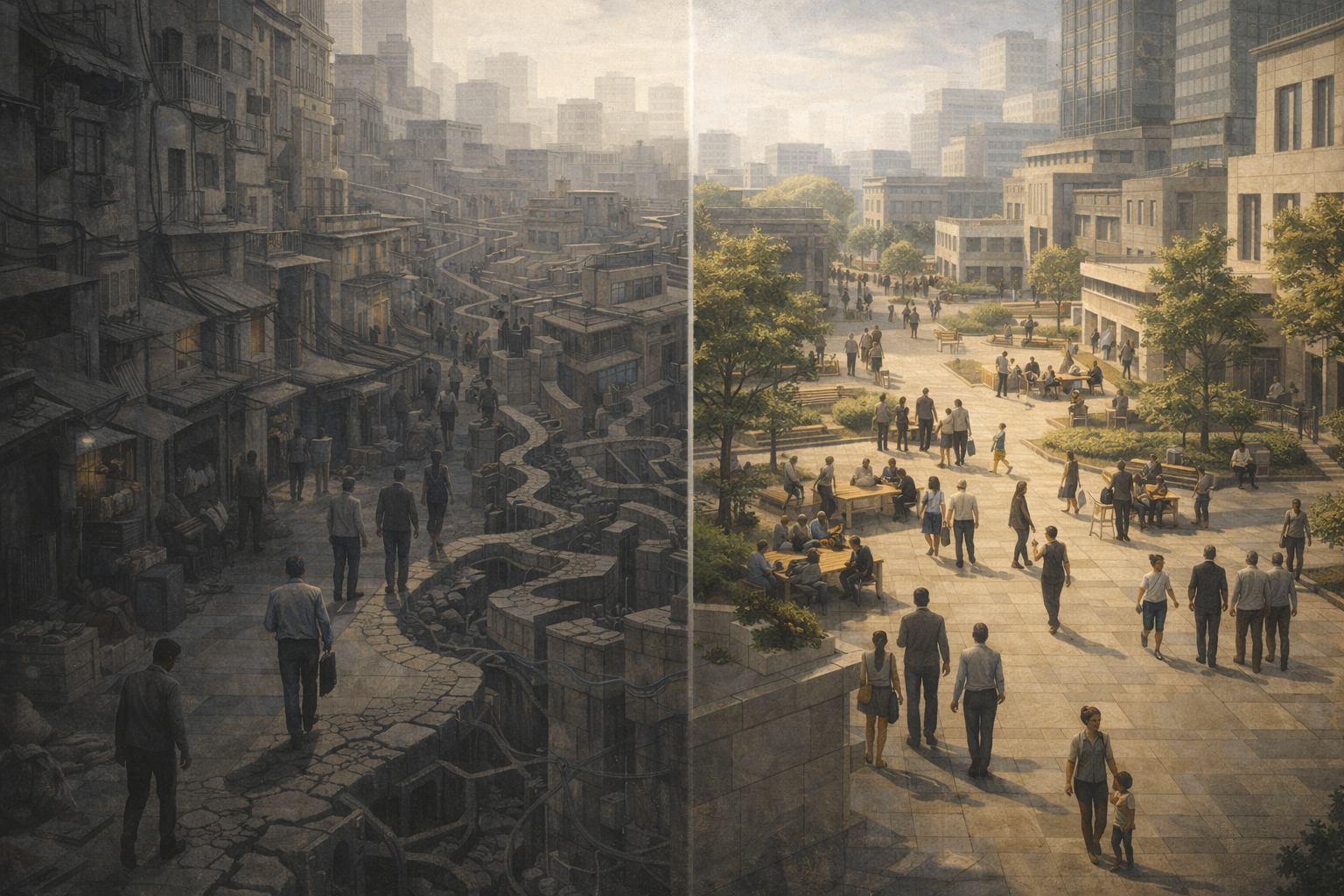
Reclaiming the Force We Call Love
When societies measure value only through performance, human potential quietly erodes. This piece examines how structural care — often dismissed as sentiment — is actually a foundational force in building resilient, adaptive civilisations.
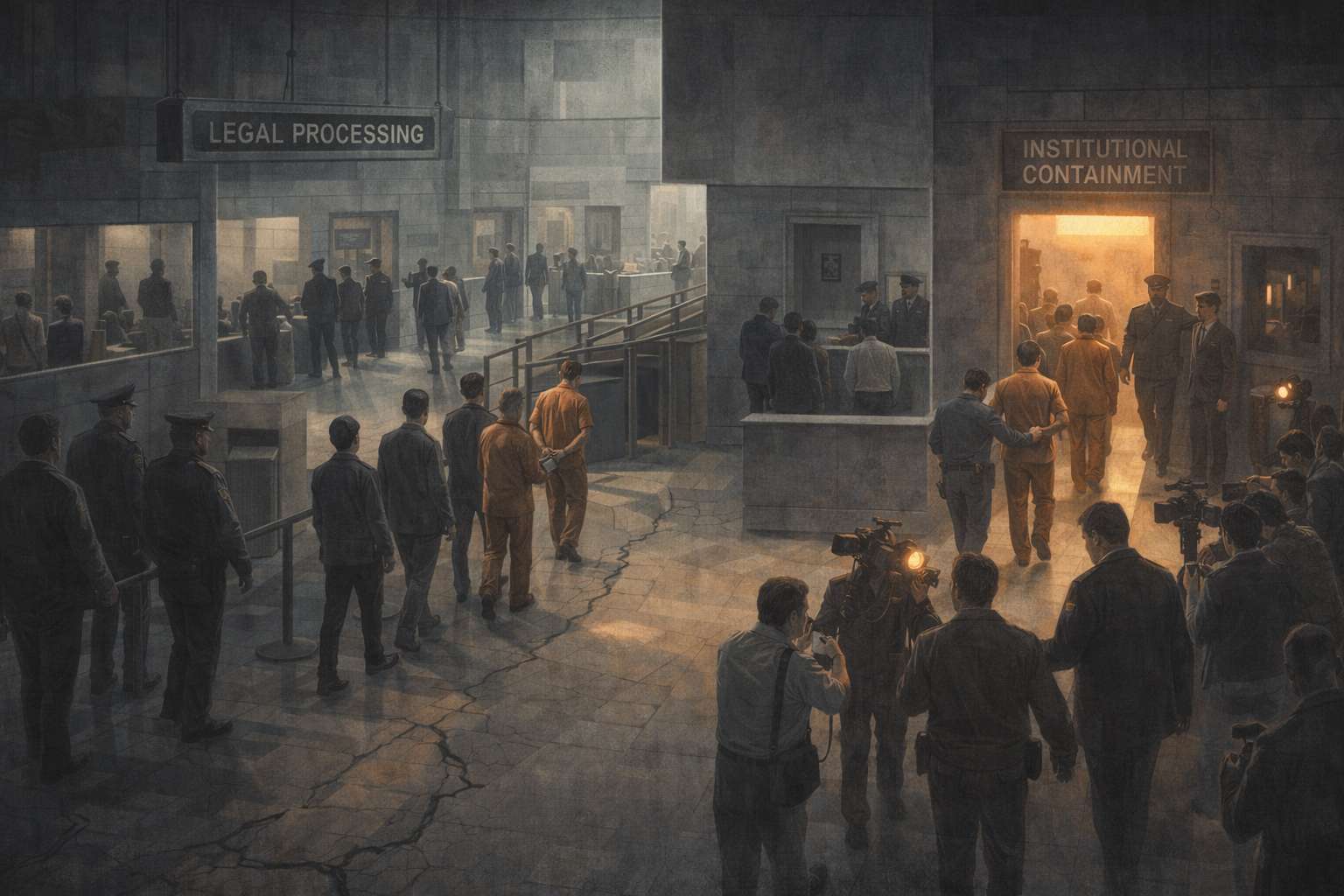
It’s Not More Consequences We Need—It’s More Connection
Reactive systems are becoming better at enforcing behaviour while losing the ability to sustain connection. Long-term stability depends less on consequence and more on relational infrastructure.
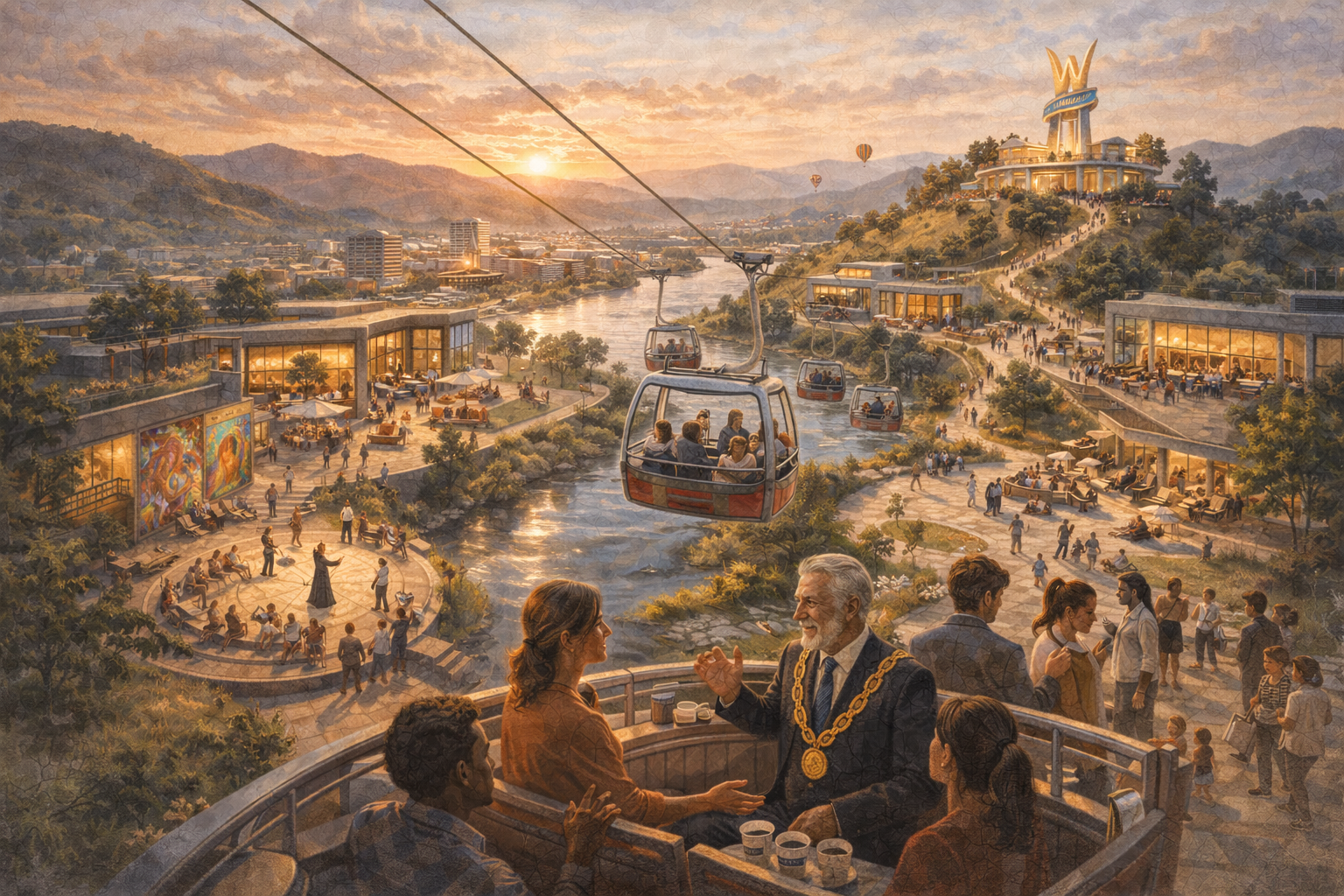
Windland™ Rising
Windland™ is an active regional development initiative integrating identity, infrastructure, and economic strategy. It demonstrates how narrative coherence and experiential design can position regional environments as globally relevant systems.
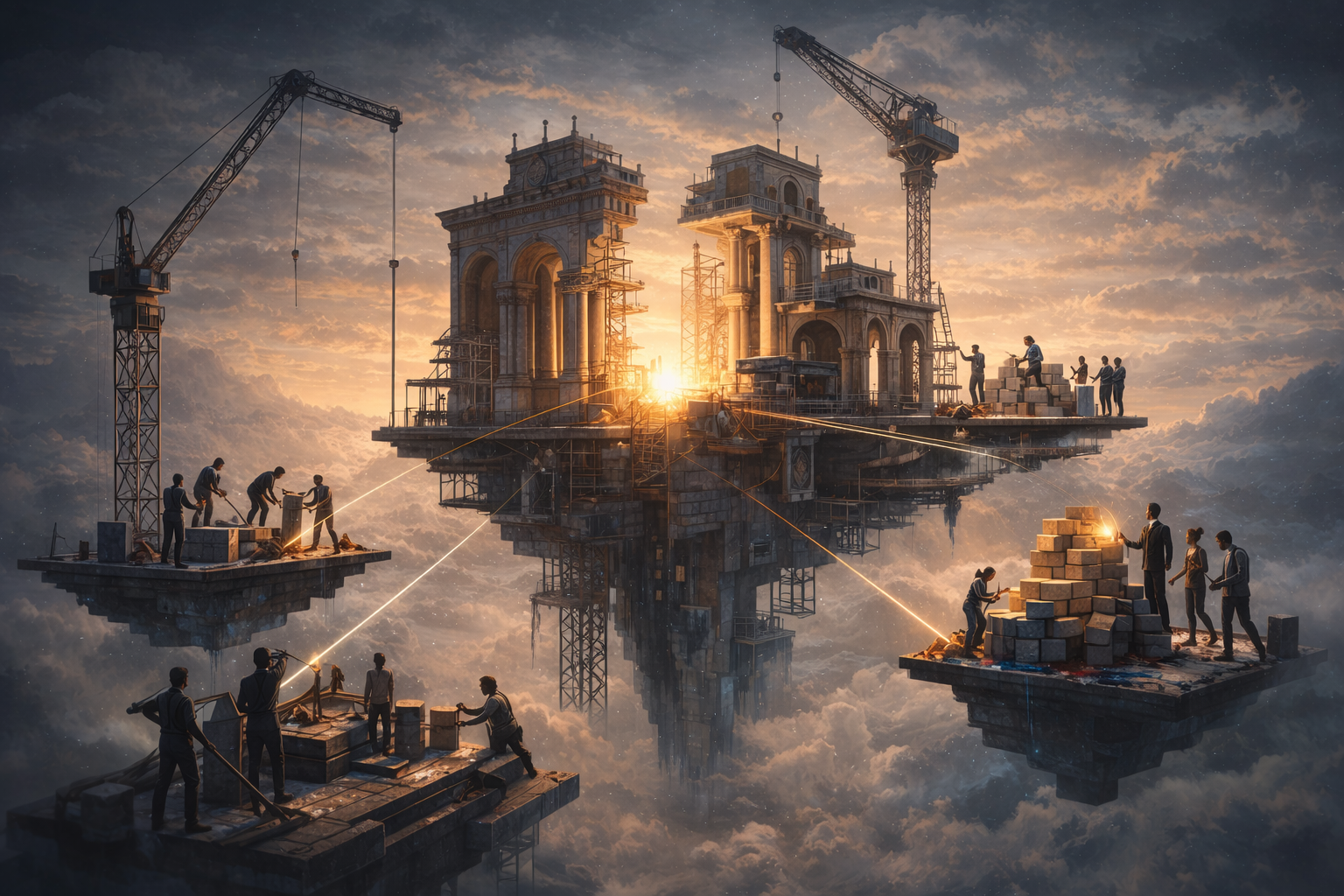
The Collective Catalyst: Transforming Individual Needs into Unified Power
True transformation is rarely individual. This article examines how interdependence, communication systems, and cultural reframing unlock the collective potential required for societal progress.

Principles Don’t Fall When the World Does
In times of rapid change, principled frameworks provide the stability needed for enduring human systems. This article examines how foundational principles shape civilisational resilience.
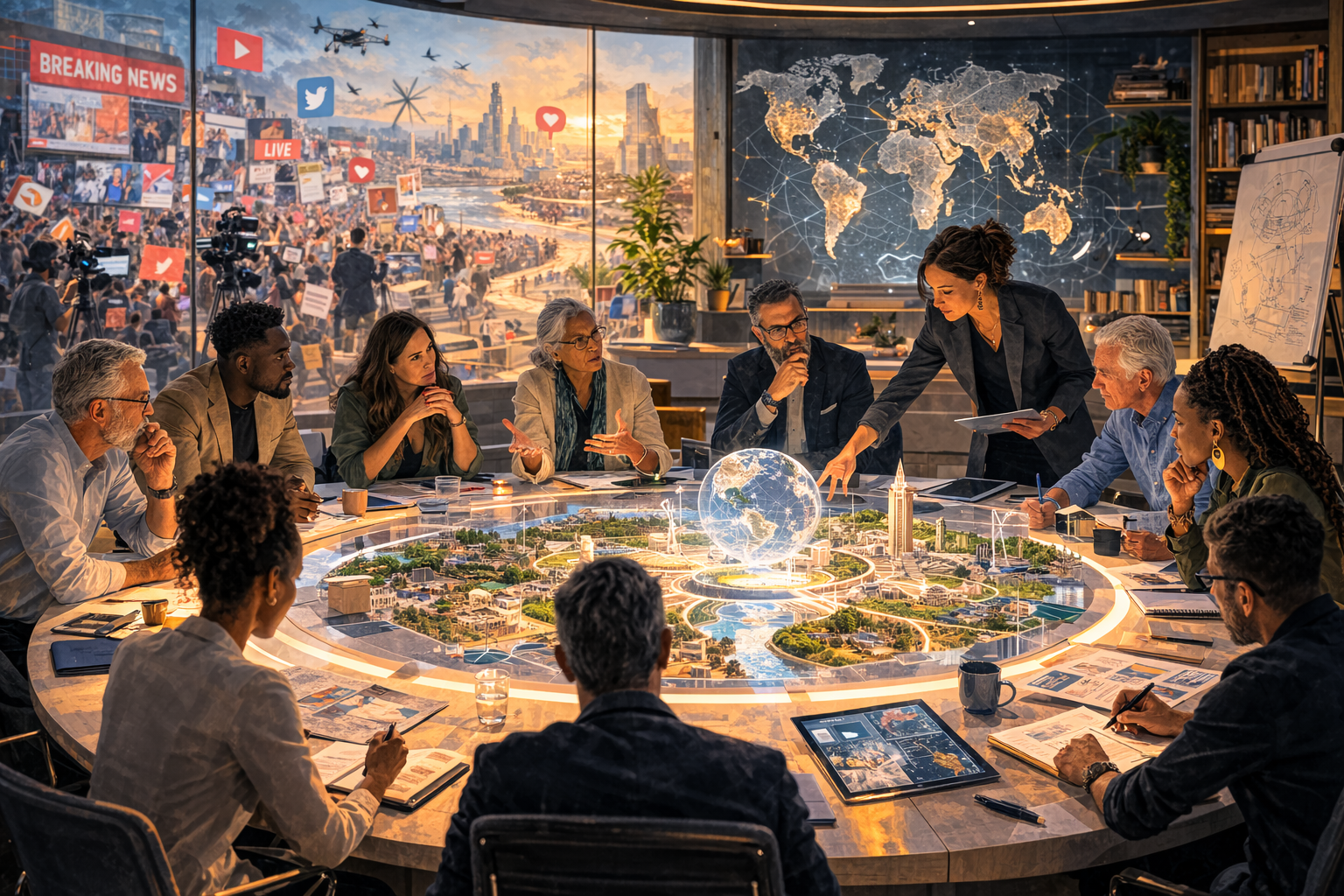
The Architecture of Convergence
Meaningful transformation rarely begins in public view. Real progress emerges in environments designed for alignment, where complexity can be addressed without distortion and influence becomes responsibility.
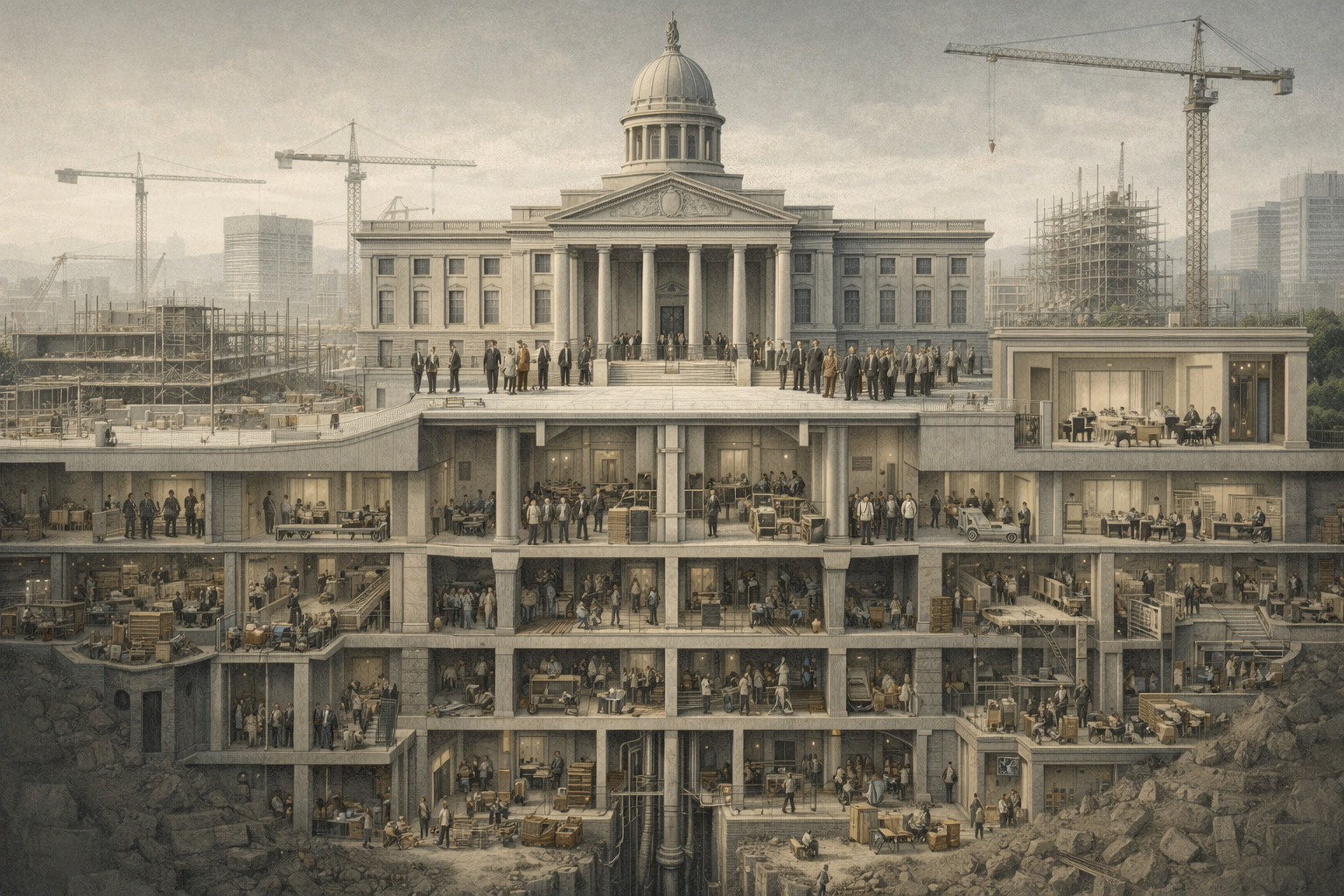
Ignore the Plebs, Collapse the Civilisation
Civilisations endure when human potential is structurally integrated. They collapse when populations are ignored. This analysis explores dignity as a systems variable rather than a moral abstraction.
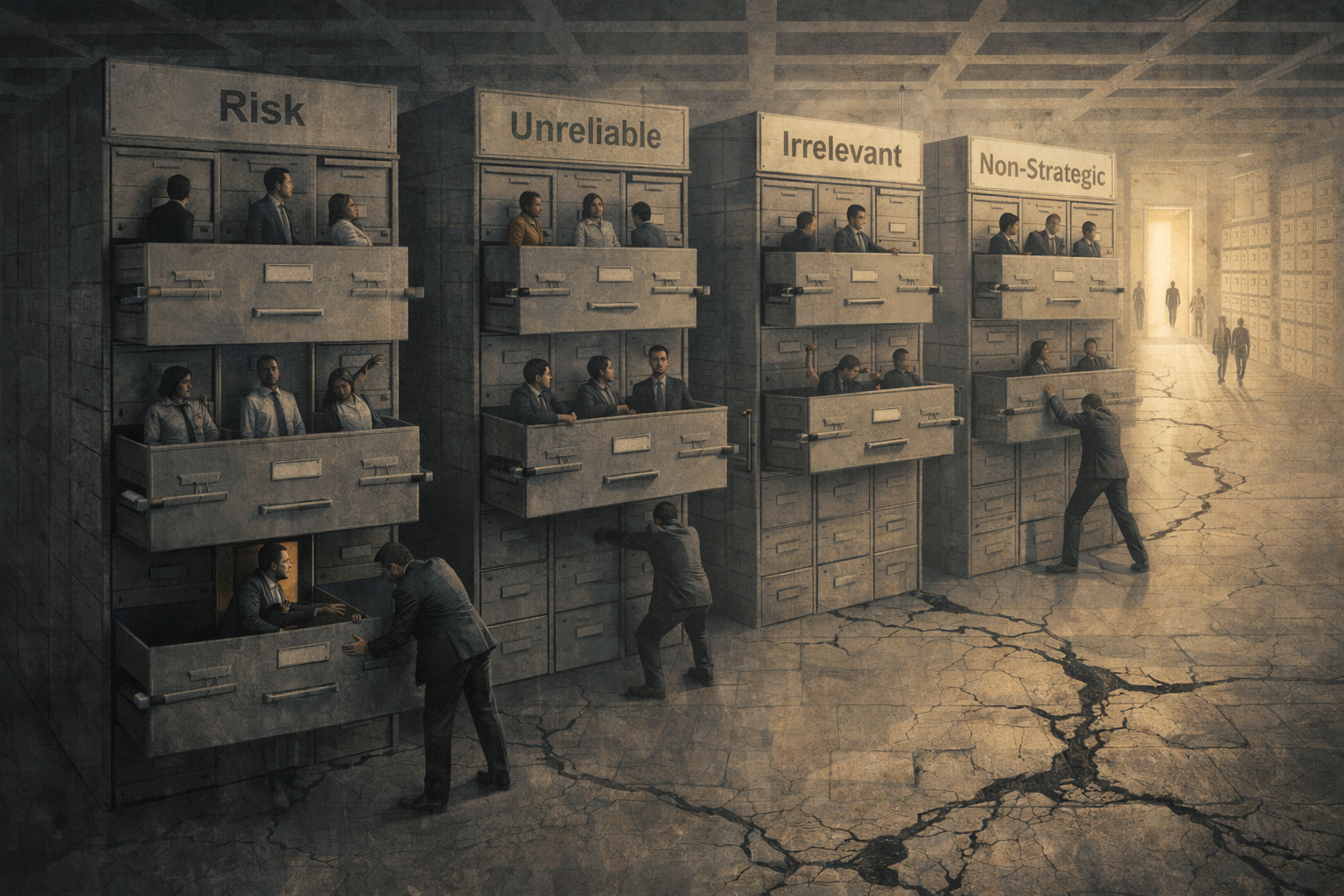
The Cost of Premature Judgement
Premature judgment feels efficient, but it often becomes a structural liability. This essay explores how early assumptions distort leadership, weaken culture, and lock organisations into fragile decisions.
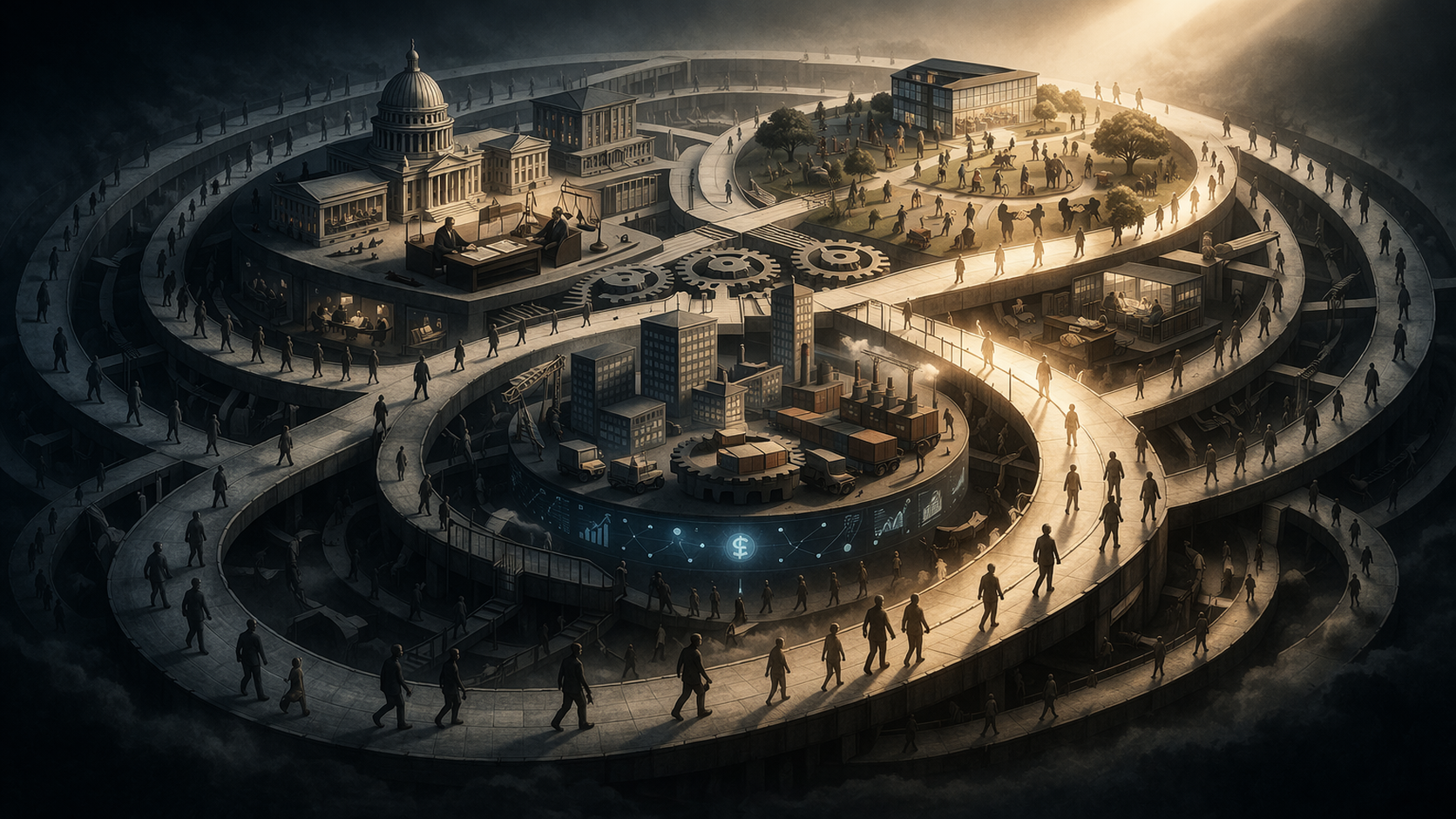
Breaking the Cycle of Mistreatment & Betrayal
Mistreatment and betrayal are often symptoms of deeper systemic deficiencies. This essay explores how punishment-first cultures unintentionally reproduce harm and how structured development can interrupt the cycle.

Why More Money Won’t Solve Anything—But More Wisdom Will
More money often intensifies existing dysfunction rather than solving it. This essay examines how wisdom, culture, and systemic design shape sustainable economic success.
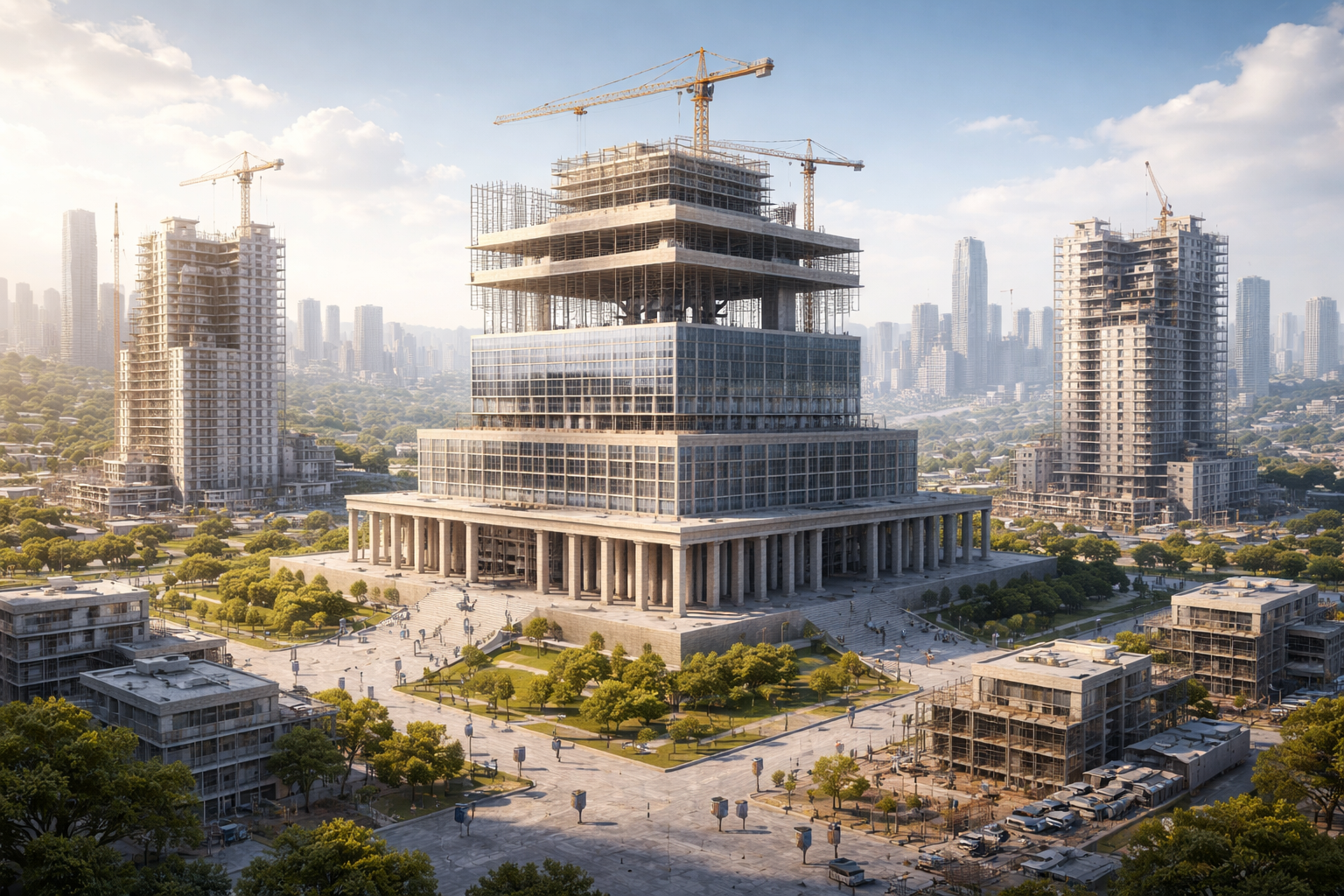
Why Systems Must Earn the Right to Scale
Rapid expansion can weaken institutions that lack structural readiness. This essay explores how credibility, governance discipline, and long-horizon design determine sustainable scale.
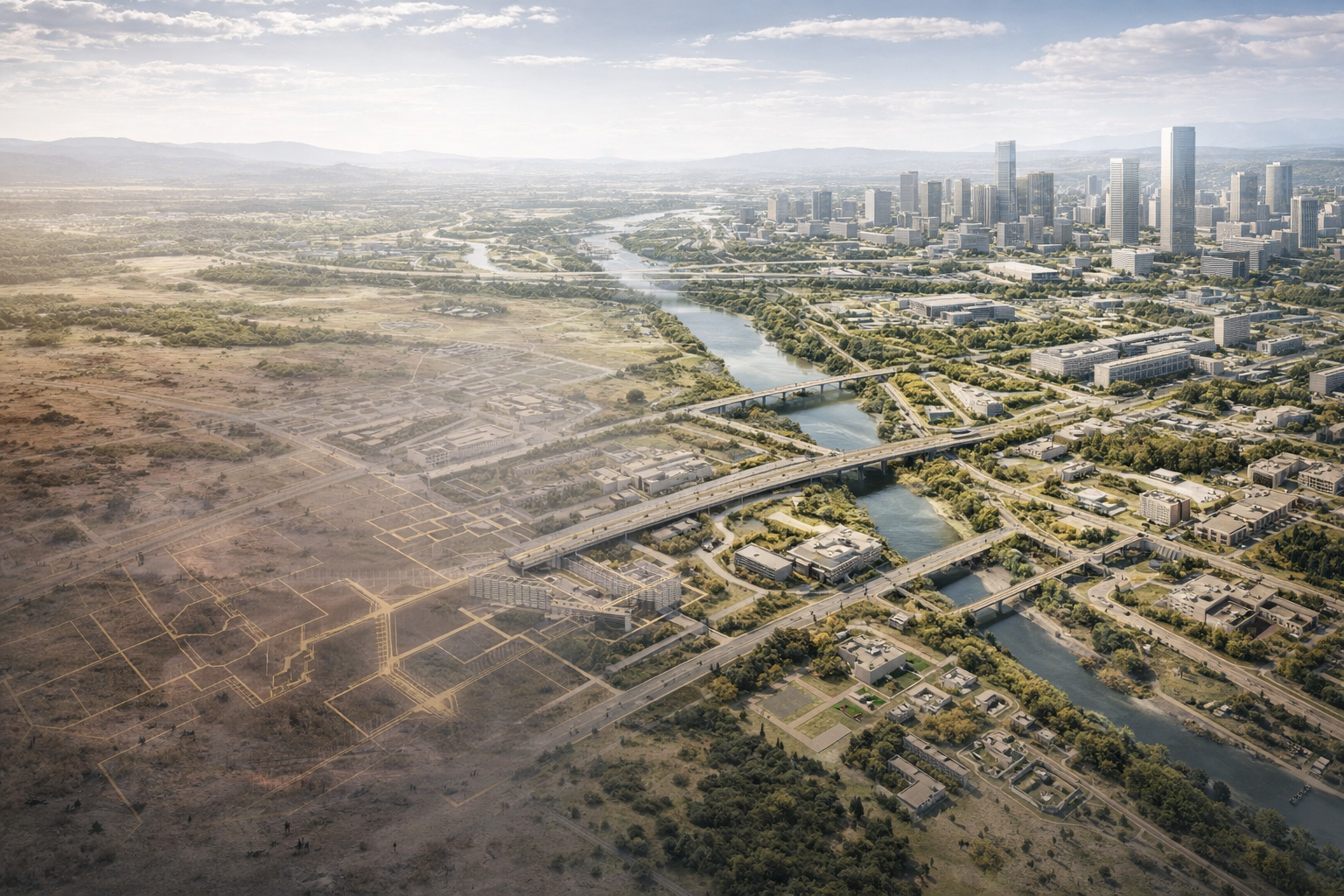
How Economic Capacity Is Built — Not Announced
Sustainable economic growth is not driven by isolated projects but by coherent systems. This essay explores how productivity, governance, and infrastructure shape long-term capacity.
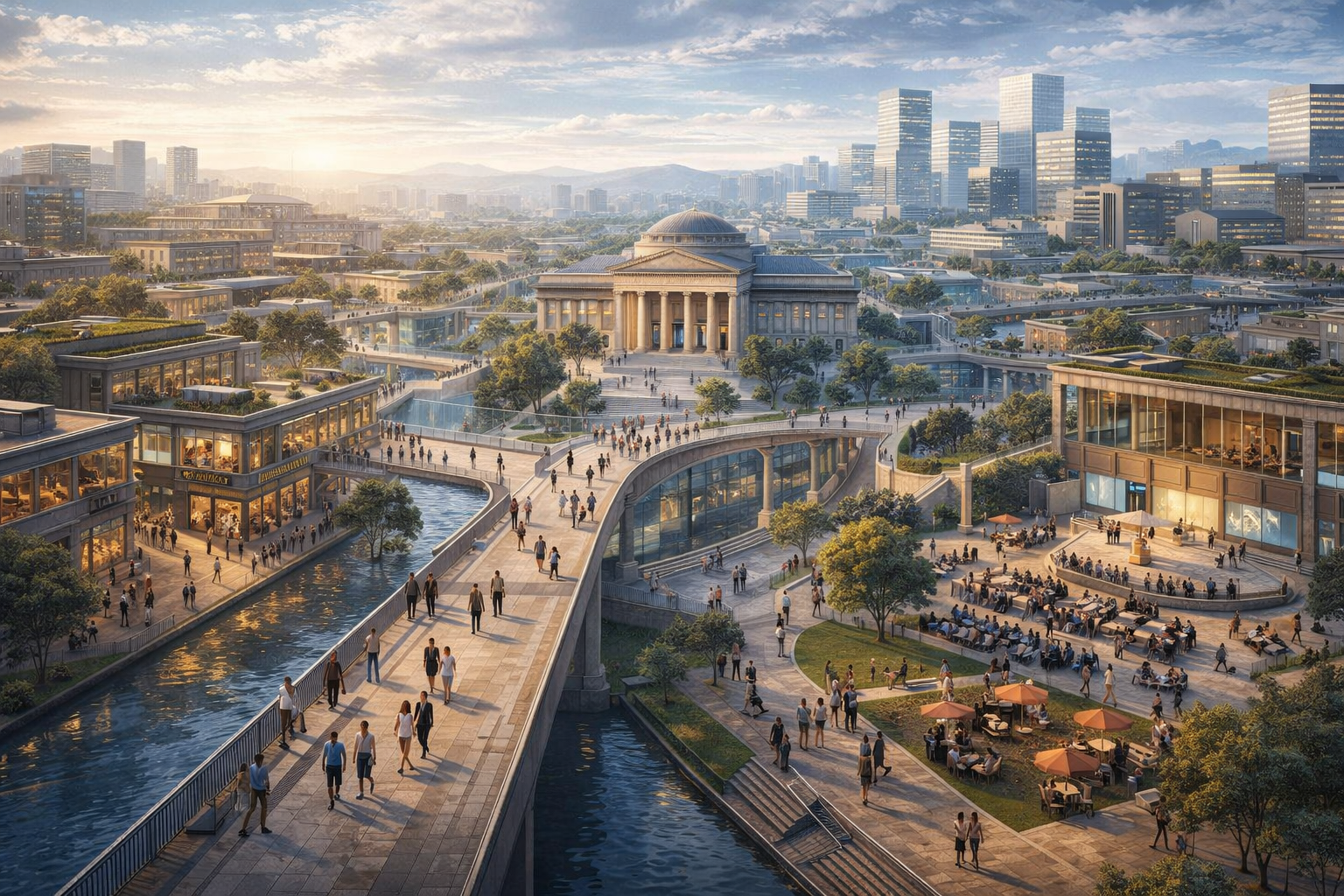
When Vision Expands Beyond Its Origin
The most transformative visions evolve beyond individual intent to become structural forces. This essay explores how integration and systemic coherence shape long-term societal progress.