Amos Ashley / The origin story
Albury–Wodonga, Australia
Before the frameworks.
The person behind Global Stage Management™
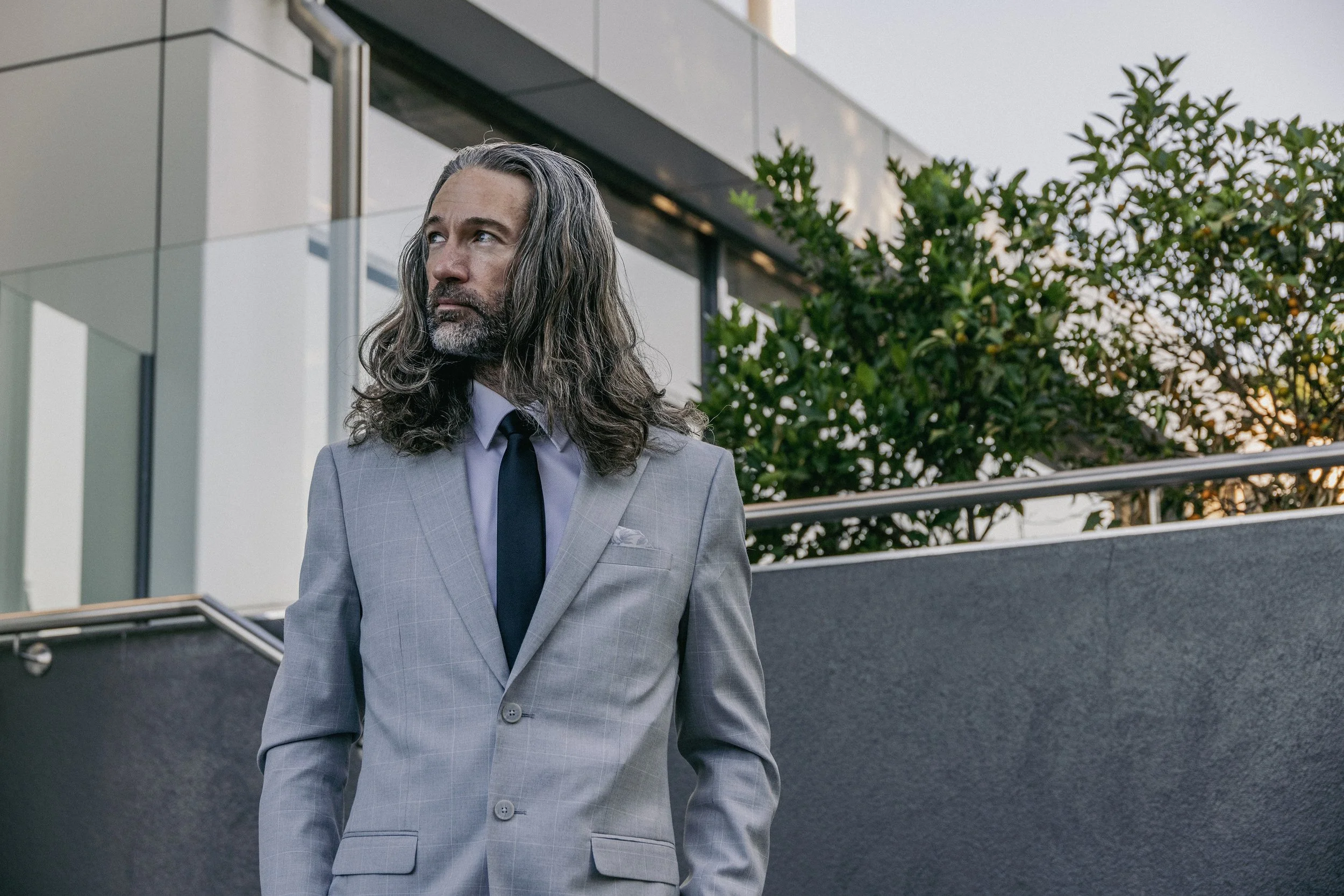
16 years in network broadcastingProduction, presentation and national distribution.
A lifelong creative practitionerVoice, film, photography, music and visual identity.
Founder of Global Stage Management™Human capability, enterprise, culture and opportunity.
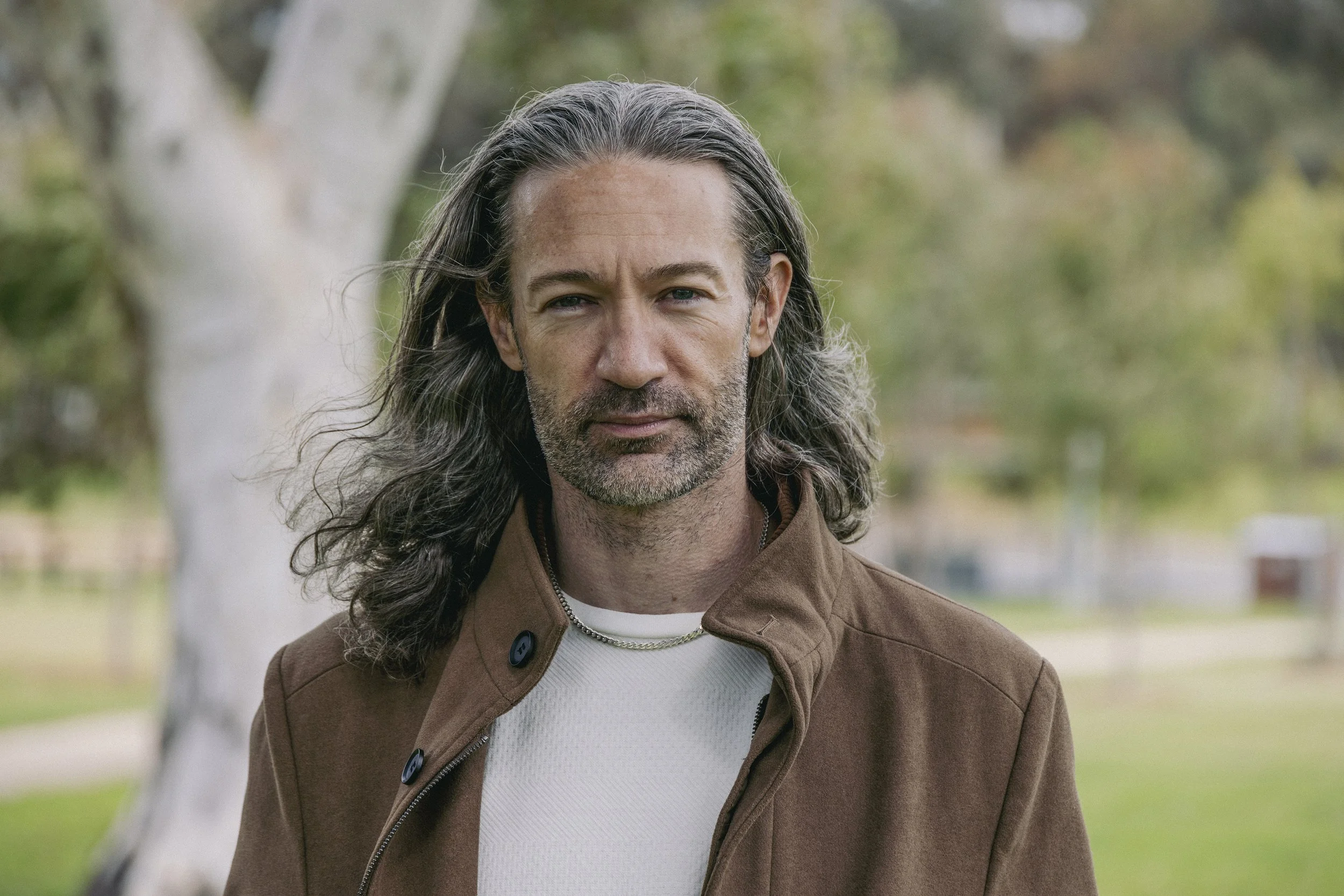
I’m Amos Ashley. Founder of Global Stage Management™. Broadcaster, creative practitioner and systems thinker.
Who I am now is who I’ve always been on the inside.
A private commitment at sixteen. Sixteen years in broadcasting. Injury, institutionalisation, homelessness and the long work of rebuilding. This is some of the history behind what I build.
Find a chapter The story, at your own pace.
01 / The intention came first
A decision.
At sixteen.
At sixteen, I became aware that something in the world was fundamentally misaligned.
People were not thriving — and many were quietly deteriorating.
I didn’t yet have the language for systems or infrastructure. But I could sense the fault lines. I could see people burning out, fragmenting, collapsing under invisible pressures. And I could feel the same fracture beginning to form inside me.
So I made a decision.
It was quiet. Internal. Almost too large to say out loud. It was also a private commitment made before God.
I set a course for my life: to become part of the solution — not as a helper on the sidelines, but as someone capable of contributing to structural change at scale.
I wrote that intention down, sealed it in an envelope, and gave it to my mother to keep — not to be opened.
I don’t remember the exact words now, but I remember the weight of it. The envelope still exists.
I didn’t know what that would require. I didn’t know how long it would take. I assumed five years.
From that point forward, I oriented my life toward understanding how humans operate — emotionally, culturally, economically, and spiritually. I studied systems, communication, influence, identity, power, and fragility. I chose exposure over comfort if it meant properly understanding the fault lines.
It wasn’t motivated by defiance. It was motivated by responsibility.
But I would later learn that resistance to broken structures is often interpreted as rebellion by the very systems being questioned.
That decision predates everything else — the media career,the collapse,the institutionalisation,the homelessness,the recovery.
Before everything else
Those chapters were not the origin. They were the fieldwork.
02 / Growing up and belonging
Some things were
hard to say.
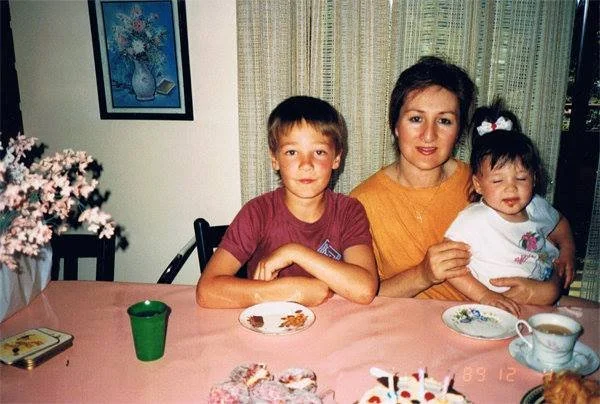
I was born in Kyabram. After time in Bendigo and Myrtleford, my family moved to Benalla, then to Wodonga when I was fifteen. I grew up with Mum, my stepdad and my two younger sisters, in a Pentecostal church community.
My early years were fairly strict, and I was preserved from much of the world’s influence. This had both its benefits and deficits. On the positive side, my parents ensured I grew up in a stable household. I always had a roof over my head, food on the table, and the basic provisions needed to survive. For that, I am deeply grateful. They showed up in key moments and provided a foundation of care that I know not every child receives, and those material and structural forms of love were important.
However, there were gaps that profoundly affected my development. While my physical needs were met, I often felt emotionally unsafe. I struggled to open up about some my own personal needs, challenges, hopes, and dreams without fear of feeling attacked, ignored, or rejected.
In hindsight, I see that their efforts to protect and provide for me were significant, even if certain emotional and developmental needs went unmet.
At age 10 or 11, I found myself having crushes on my male friends from school or church. Because of the strong anti-homosexual stance of the church, none of those expressions were tolerated, supported, or even discussed. Instead, I felt like I couldn’t discuss any of my thoughts or feelings related to my crushes, even though they were, to me at that age, natural and innocent childhood developments.
In Wodonga, I became involved in youth leadership, live sound, video production, voiceovers and performance. I was trusted with a key to the church and my own security code.
By my late teens, however, I couldn’t hold it in any longer. I felt like I was going to burst if I couldn’t speak to anyone, but I wasn’t sure who I could trust. I finally told one of my friends at the time that I was ‘bisexual’ because I didn’t really know what I was feeling or how to describe it. Word ended up getting back to the church leadership, and I was put under close observation and made to attend a form of sexual conversion therapy if I wanted to remain in my role as a youth leader.
I quit attending the conversion therapy after six months and was subsequently stepped down from my role as a youth leader, which up until that point had been something I held in high regard and honour. I felt like I had a sense of belonging and purpose. That all came crashing to the ground in an instant.
A note on identity.
I’ve never subscribed to societal categories for sexuality.
My sexual impulses have never been gender-based but connection-based—rooted in emotional depth and mutual understanding. As a teenager, I coined the term ‘Emosexual’ to describe this. For me, attraction is determined primarily by emotional connection, supported by physical chemistry.
03 / The broadcasting and creative years
Make a
little noise.
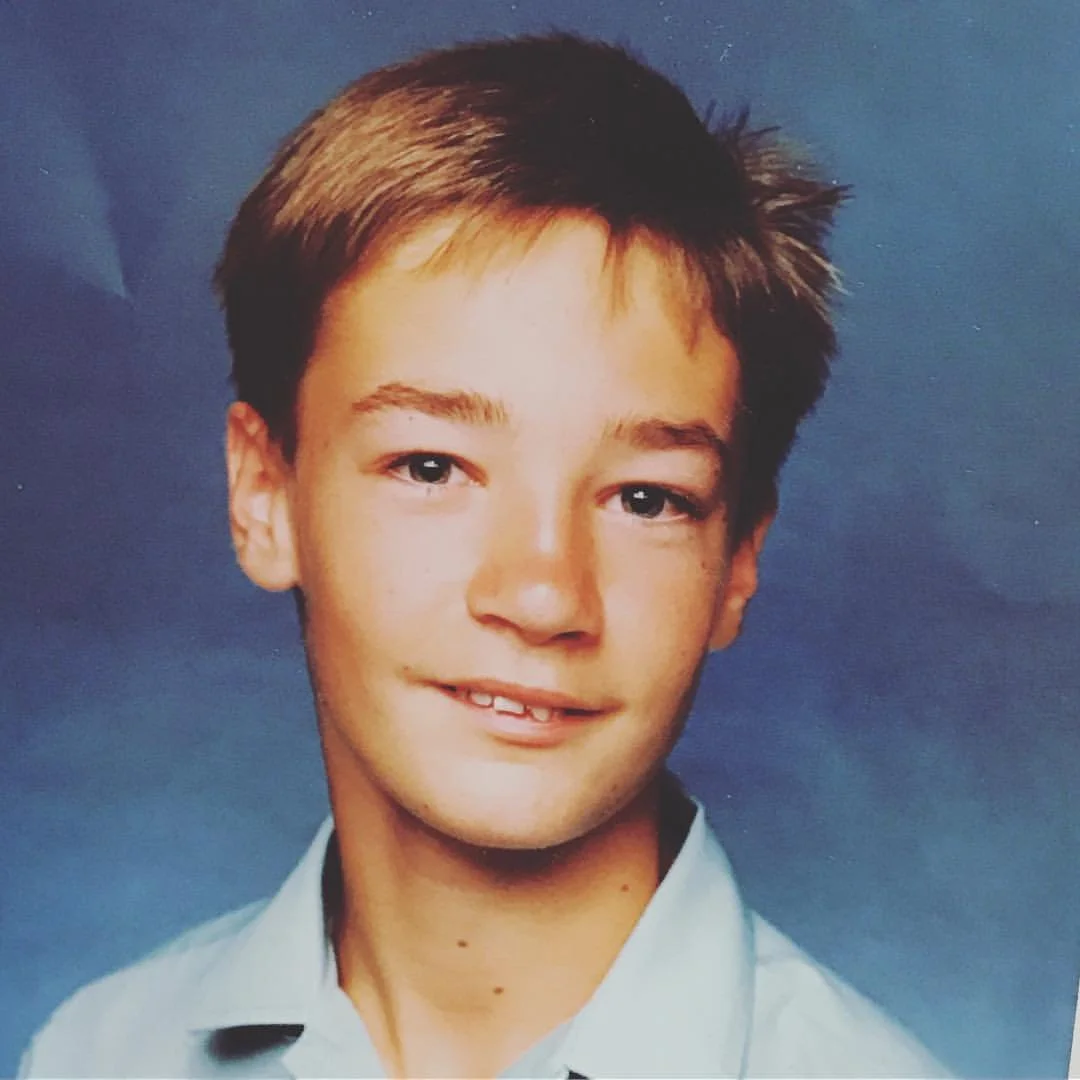
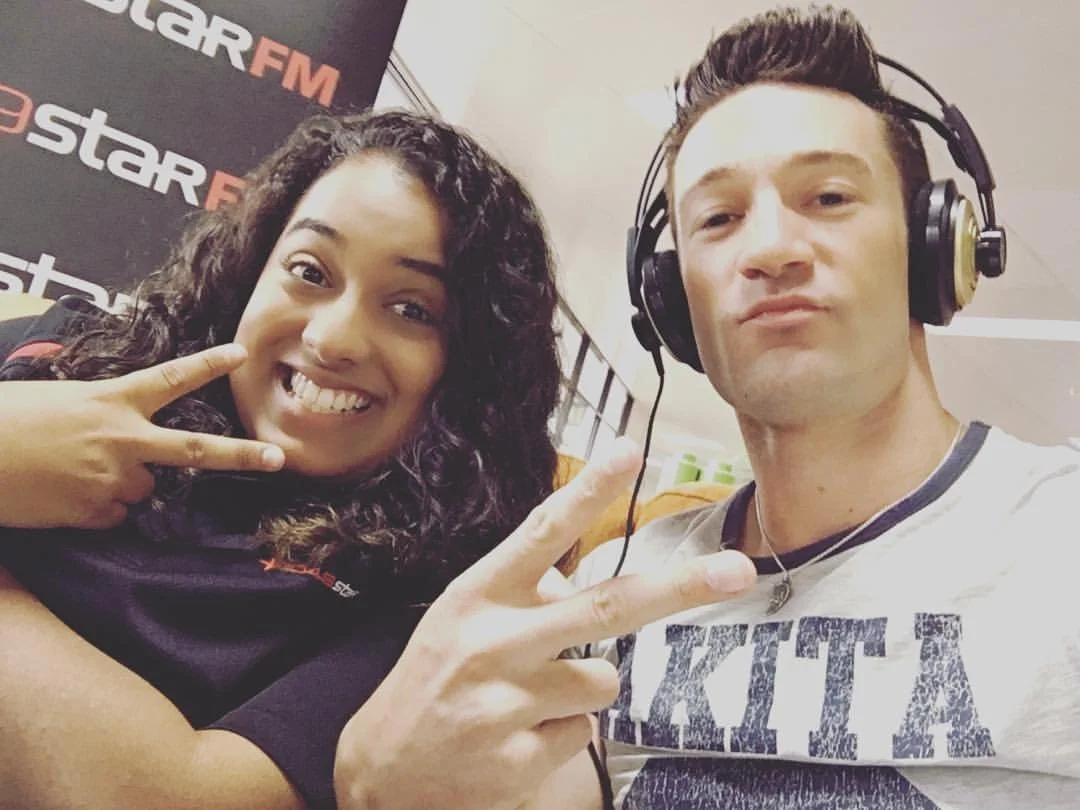
Before the paid work came bedroom radio shows, Wodonga TAFE, community broadcasting, live events and work experience at ABC Television’s Recovery. In 1999, Barry ‘Crash’ McCaul let me practise commercial production for three hours on Saturday mornings. In 2000, I joined 104.9 Star FM in Albury as a full-time junior commercial producer.
I moved to Moree in 2001 to host nights at Now FM and work in production, then returned to the Star FM network in 2002. Between 2002 and 2007, I developed The Star Party alongside the content and production teams.
We linked up parties all across Victoria, New South Wales, and South Australia on the phones, played countless song requests, gave away plenty of prizes, and consistently delivered an epic Saturday night party atmosphere filled with antics, games, banter, and shenanigans.
It was the highlight of my week: prepping the show, the celebrity interviews and giveaways, and the thrill of broadcasting live with phone lines lighting up like a Christmas tree for six hours of high-energy radio.
In 2007, I spent six months developing Vemma Records with the band Star Assassin: music videos, photography, merchandise, media releases and interviews. I had launched a multimedia business at eighteen. Between 2001 and 2008, I wrote, recorded and produced more than a hundred songs, collaborating with a local producer on some of them; they remain unreleased.
In 2009, I was promoted to Network Image Audio Producer, managing audio branding for the 22 stations on the Southern Hub radio network.
In 2013, I was promoted again to National Production Audio Distribution Manager for the 74+ stations on the national regional network. My role involved integrating and managing daily image and branding audio flow across multiple media networks, coordinating with various departments, content directors, producers, marketing and sales managers, station managers, broadcast staff, news directors, and promotions managers. This included integrating regional and metropolitan content and branding under the supportive leadership of Brendan ‘BT’ Tacey, SCA’s National Head of Production for Hit FM & Triple M.
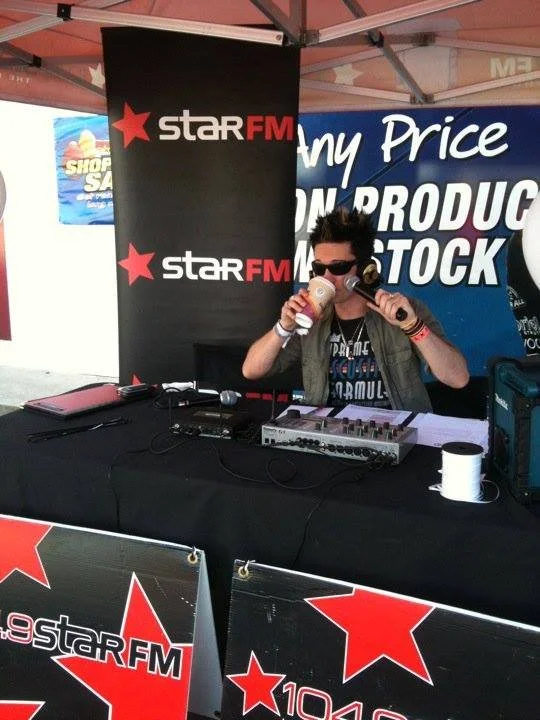
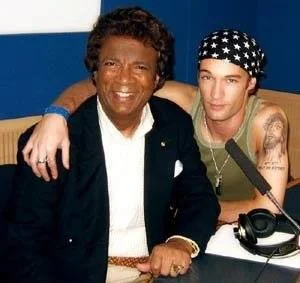
The media years
Attention is architecture.
Listening to old recordings from my radio days, I realize how much my approach—prioritizing entertainment and shock value—shaped public perceptions. Comments made in jest or for irony were often taken as fact, leaving me to reflect on how media shapes reality, how it shaped mine, and how it influenced the district.
My career was thriving, and opportunities to connect and network with some of the country’s most influential figures—both behind the scenes and in the limelight—were abundant. However, beneath the surface, things were not as they seemed. I was a reliable and dependable worker, but aside from my two cats, I had little else in my life. My job had essentially become my entire world. While I loved my career, my life lacked balance and meaningful human connection.
04 / Injury, collapse and the missing context
The fall
was real.
Things took a turn for the worse in 2015. During an outing at a waterfall in Beechworth with a young hip-hop artist I was producing at the time, I slipped on a wet rock, sliding 50 meters down a smooth rock face at a 45-degree angle. I was heading toward a 50–100 meter drop when a boulder abruptly stopped my fall. Unfortunately, my right foot collided with the boulder at high velocity. In shock, I was carried back to the car and had to drive myself to Albury Base Hospital, as the others didn’t have driver’s licenses. X-rays revealed a fractured foot, and I was discharged with pain medication and crutches.
The pain was intense, and although I regularly spoke to my doctor about it over the next several years, my requests for further treatment and investigation were repeatedly dismissed—met with vague reassurances, reluctance to order imaging, or assumptions that it would resolve on its own. With no guidance or support to navigate the medical system, I relied entirely on my GP, trusting their approach was sufficient. I had no advocate, no referrals, and no deeper diagnostics—just basic painkillers and temporary measures that did little as the pain worsened.
Without close support, the pain went untreated and became unbearable. Desperate for relief, I resorted to self-medicating with cannabis, having read that it could help with neurological pain and inflammation. While it masked some discomfort, it did nothing to address the underlying condition, and with no regulation of dosage or delivery method, it was an unreliable solution. The combination of untreated physical pain, inner turmoil, lack of support, and unregulated cannabis use caused me to begin to unravel.
By November 2016, the physical pain became unmanageable. My mental and emotional state deteriorated, leaving me unable to perform my duties for the network. I had other development ideas and innovations for them, but there was no interest or support at that time, so I reluctantly resigned.
What I needed most was a good friend—someone to help me process my inner conflict, seek proper physical treatment, and create a plan to move forward. But no such person was in my life.
Instead, my first psychiatric admission included three days in an isolation room with a metal bed and toilet. I remained on the ward for three weeks before being discharged into my parents’ care.
While my parents' home provided stability, it offered zero social life. My underlying health concerns and inner conflicts remained unresolved, and I was placed on lithium and antipsychotics, which caused thought deceleration, analysis suppression, and emotional suppression. My once incredibly high-functioning and creative brain had essentially shut down. I struggled to communicate and express myself effectively as I once had, leaving me lost, confused, and more alone than ever—with nobody actively helping me rebuild my life.
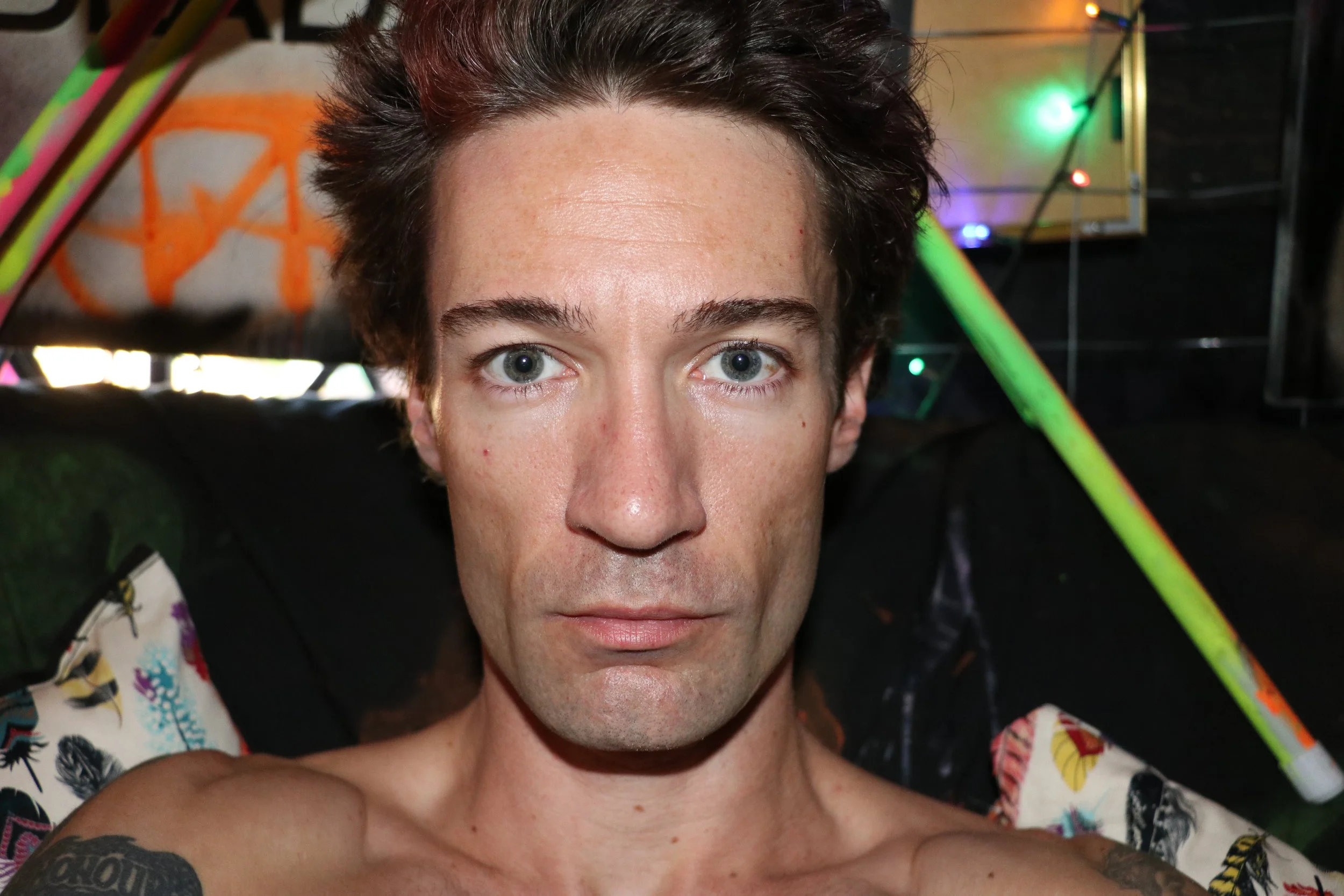
2015–2022 / Injury, untreated pain, institutionalisation and survival.
The public version
And once the narrative around you becomes louder than your own voice, you learn a brutal truth: reputation can be manufactured faster than reality can be explained.
05 / What a room can make possible
Somewhere to
begin again.
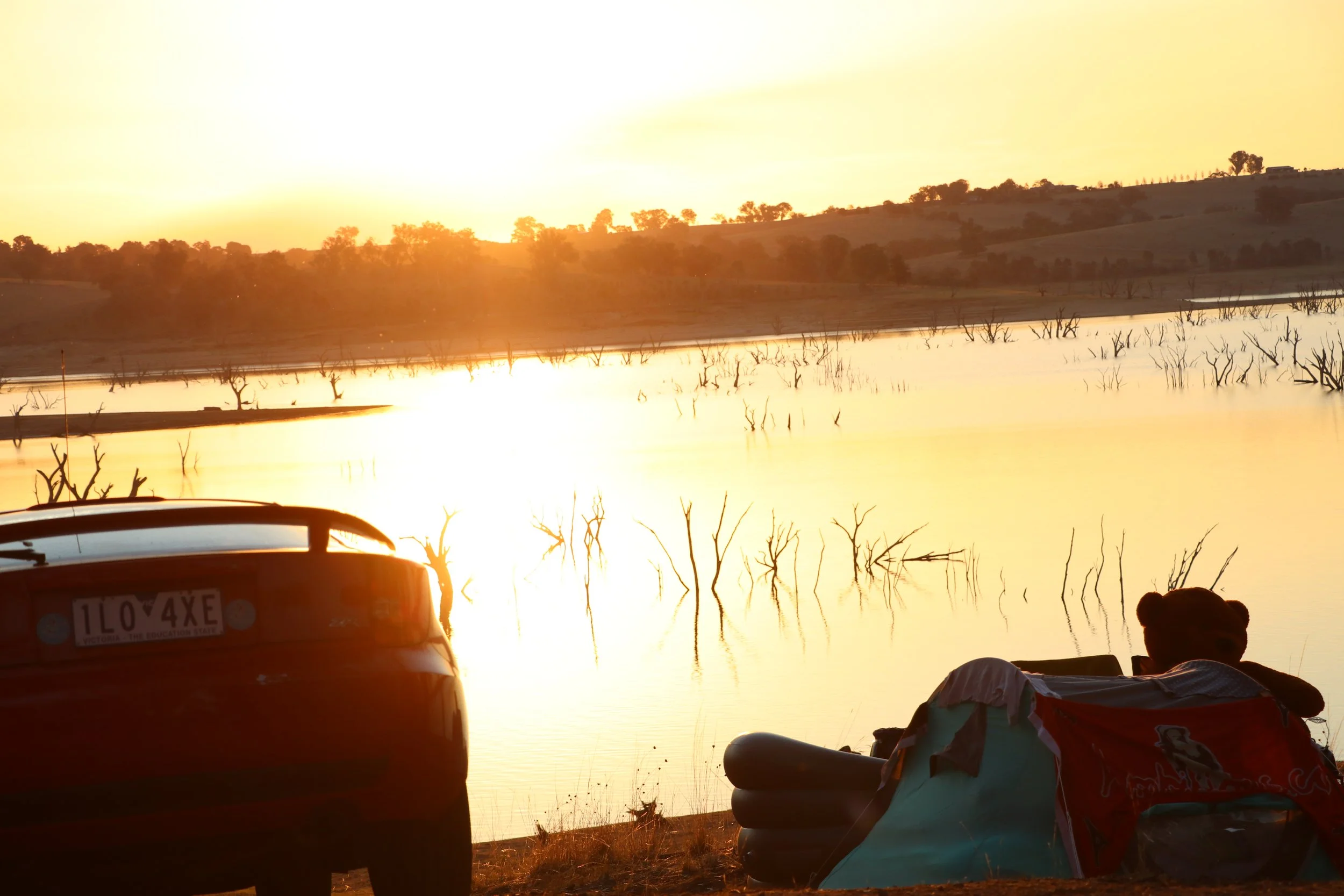
After the first admission, I spent six months with my parents in Geelong. My belongings from a home I had lived in for thirteen years went into storage. I returned to Wodonga by the end of 2017. By March 2018, I had to leave the room I was renting.
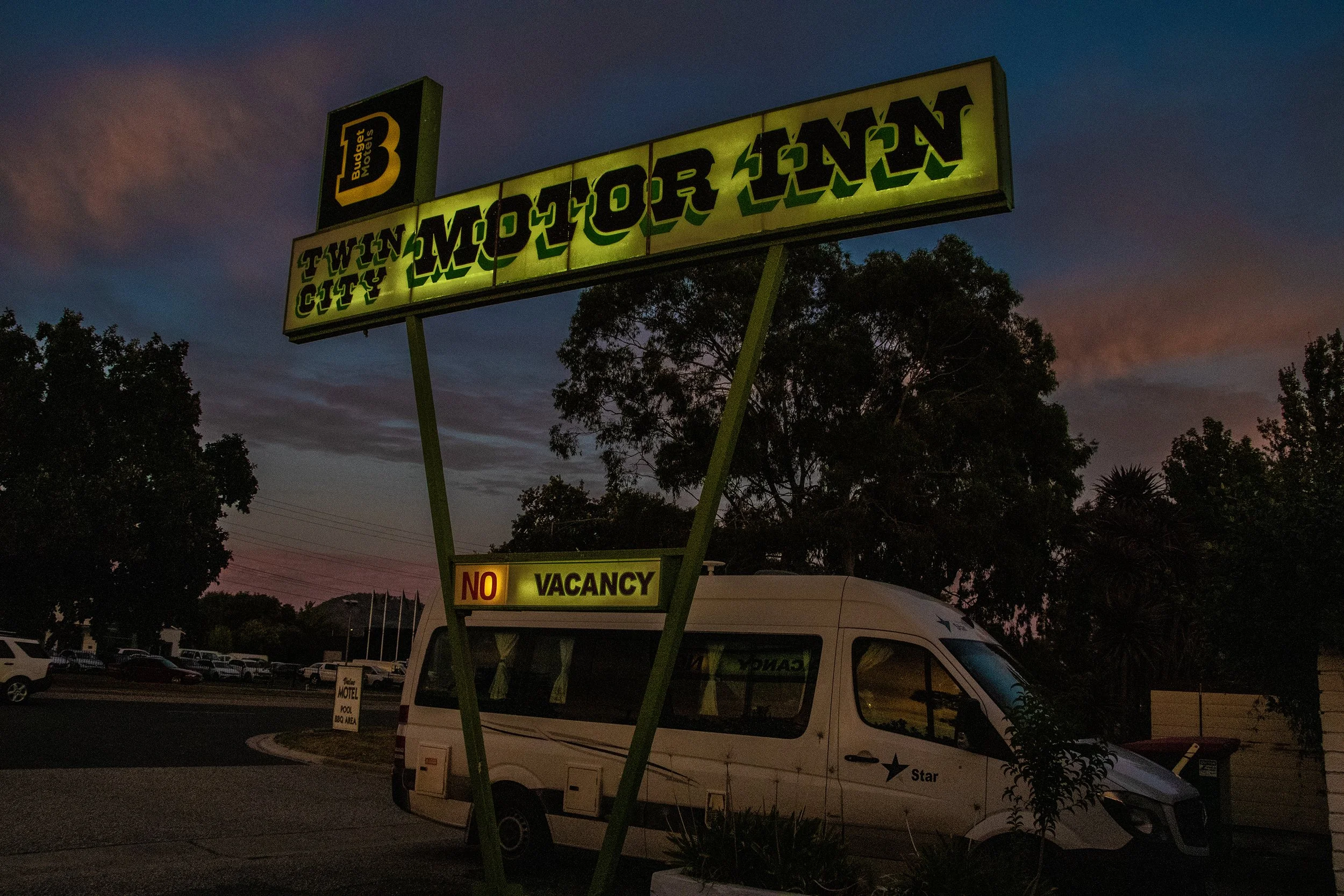
The local housing agency arranged two weeks at the Twin City Motor Inn. After that came a succession of temporary rooms and a garage. In May 2018, with nowhere else to go, I spent ten days camping by the weir.
There were moments of respite. One temporary home belonged to a drag queen; the lounge was like an art gallery of wigs. It was small, peaceful and clean. After several months, the leaseholder moved out of town and I had to leave again.
In desperation, I called my youngest sister and begged for help. She and her partner found me a share house with an available room. By the end of 2018, around November or December, I moved in that very day. My sister generously helped cover some of my rent for the first few months, providing a much-needed lifeline during one of the most difficult times of my life to date.
My landlord, Peter Schmetzer, offered affordable rent, patience and understanding through a long period of recovery. The room gave me the safety and stability to process what had happened, arrange treatment and begin rebuilding.
Without it, I honestly don’t know where I might have ended up—or if I would have survived at all.
On the safety and stability the share house made possible.
The court proceedings.
There were legal proceedings during this period too.
Under the influence of cannabis and other substances clouding my judgment, I explored adult photography, inadvertently circulating images to the wrong people on social media. This led to a court case.
Following that, I conducted a social experiment, walking in public with private parts exposed to see if anyone would notice. This incident led to an arrest for indecent exposure and months in a mental health ward under heavy lithium and antipsychotic doses.
After months, I was discharged under a psychiatrist’s care, awaiting court proceedings for the indecent exposure charge, which was dropped after a year.
06 / Restoring capacity
The long
way back.
Under the observation of my psychiatrist, I came off the mental health medication and began investing my time into developing principle-based frameworks.
I spent 2019–2021 coming off mental health medications, installing the principle-based framework into my thinking, reading, volunteering at a local food share operation, and further developing the online course I had written back in 2017 while living with my parents in Geelong.
By 2022, I was off all mental health medications and had moved past the worst of my fall from grace. However, my physical pain was still chronic, and I continued to self-medicate with cannabis while lacking support for medical treatment. It had never occurred to me, likely due to my traumatic headspace, to change doctors. When I did, my physical pain was finally taken seriously for the first time since my 2015 waterfall injury.
By the end of 2022, with proper pain management, I was in a much better place. Past colleagues offered me a casual return to 1494 2AY, producing live sport and other broadcasts. It helped me reconnect with society.
In 2023, I had consultations with multiple surgeons and underwent a battery of diagnostics, including X-rays, MRIs, CTs, and blood tests. Finally, the cause of my pain was revealed: two prolapsed lumbar discs, two torn hips, two hernias, cervical facet arthropathy, and foraminal stenosis.
Insurance waiting periods delayed surgery. In 2024, I underwent back, hip and hernia operations, followed by rest, physiotherapy and personal training to rebuild strength. The reduction in pain was monumental and life-changing.
While most of this time was spent alone with my birds and cat, a few community-minded individuals visited, dropped off food, or helped with transportation, including the Wolki Family, Singh Family, and Seymour Family, for which I was deeply grateful.
Recovery continues. I still have physical limitations to plan around.
2019–2021Medication changes, reading and framework development.
2022Off psychiatric medication. Proper pain management. A return to radio.
2023Investigations and physical diagnoses.
2024Operations and rehabilitation.
The purpose stayed
Rehabilitation did not create the work. It restored the capacity required to execute it.
07 / Companionship, care and a change of address
Then a cat
brought his toy.
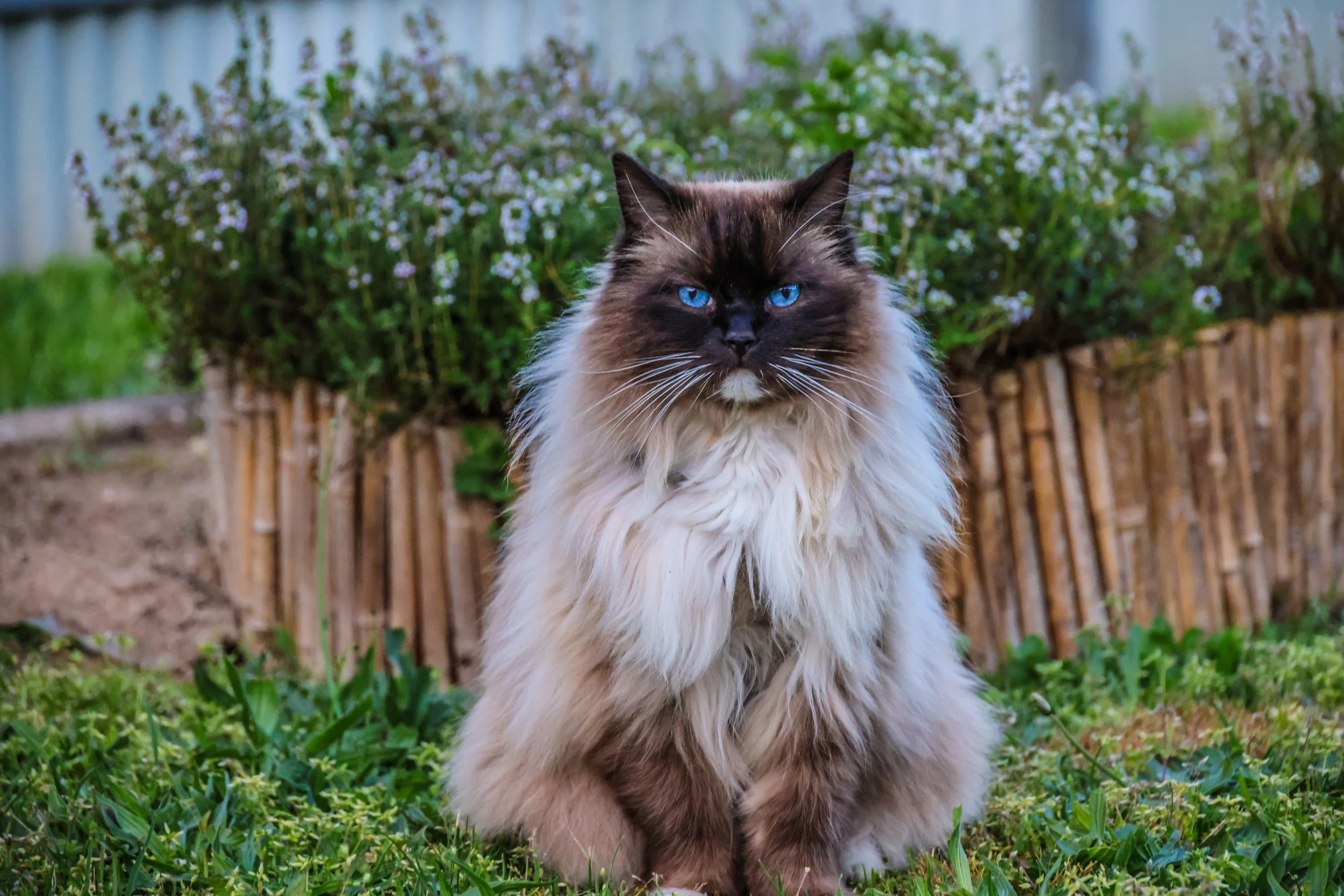
At my lowest point, about a year after I had moved into the share house, one of the cats from a neighbouring property (they had four) began visiting my yard daily, curious about my presence. During that time, I spent many hours sitting on the deck, reading, still in a medicated haze—slow in both mind and body. The cat became more curious over time and eventually made daily visits to join me on the deck. One day, he brought his favourite toy over the fence into my yard. Though the neighbours retrieved it, he brought it back again, clearly deciding this was where he wanted to be.
Over time, he essentially moved onto the deck full-time. A few years later, I made a formal offer to purchase him from the neighbours, and he was officially transferred to me.
His name is Coco Soota.
Coco’s affection and presence have been a constant source of comfort and strength through years of long, lonely days and nights. I truly don’t know how I would have coped without his companionship.
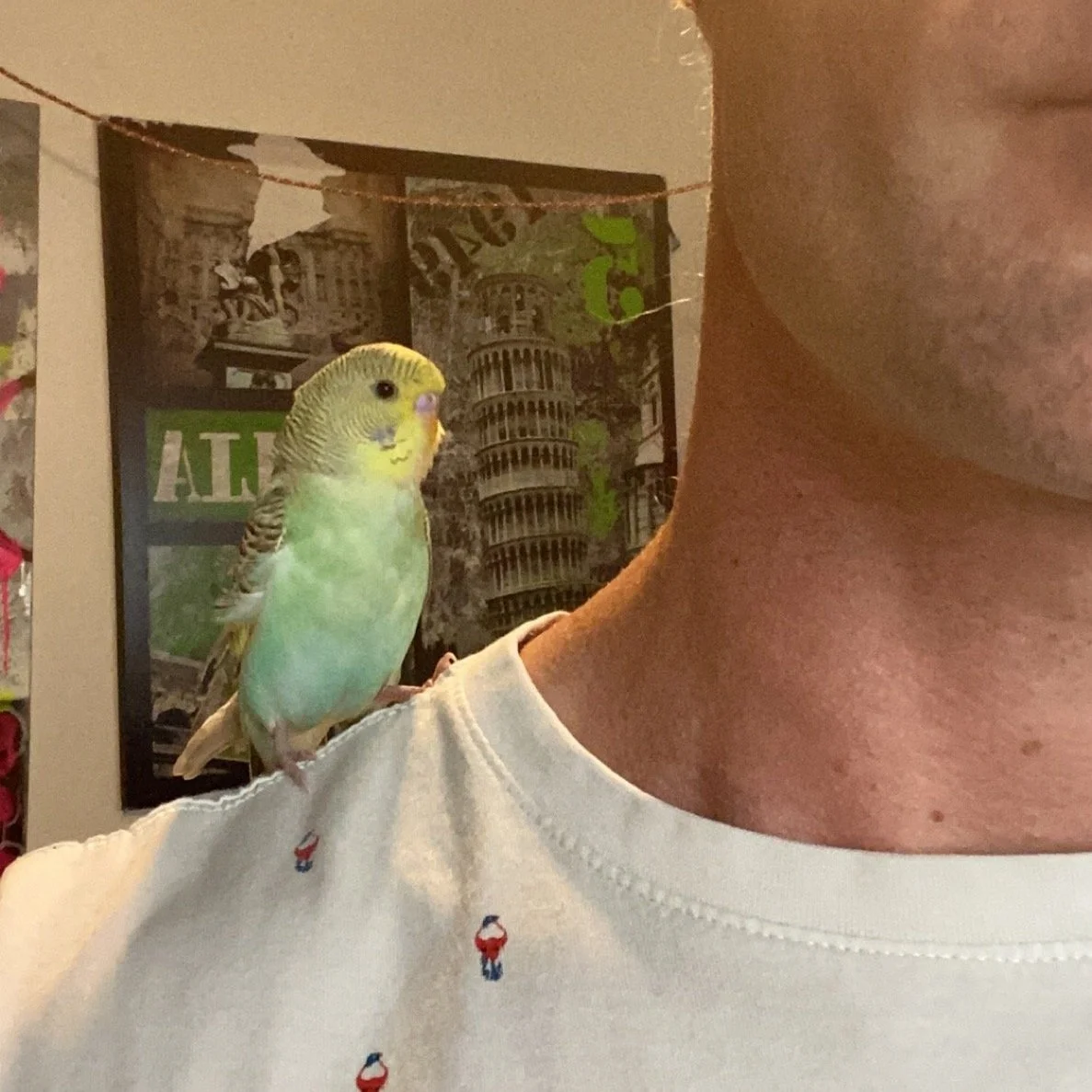
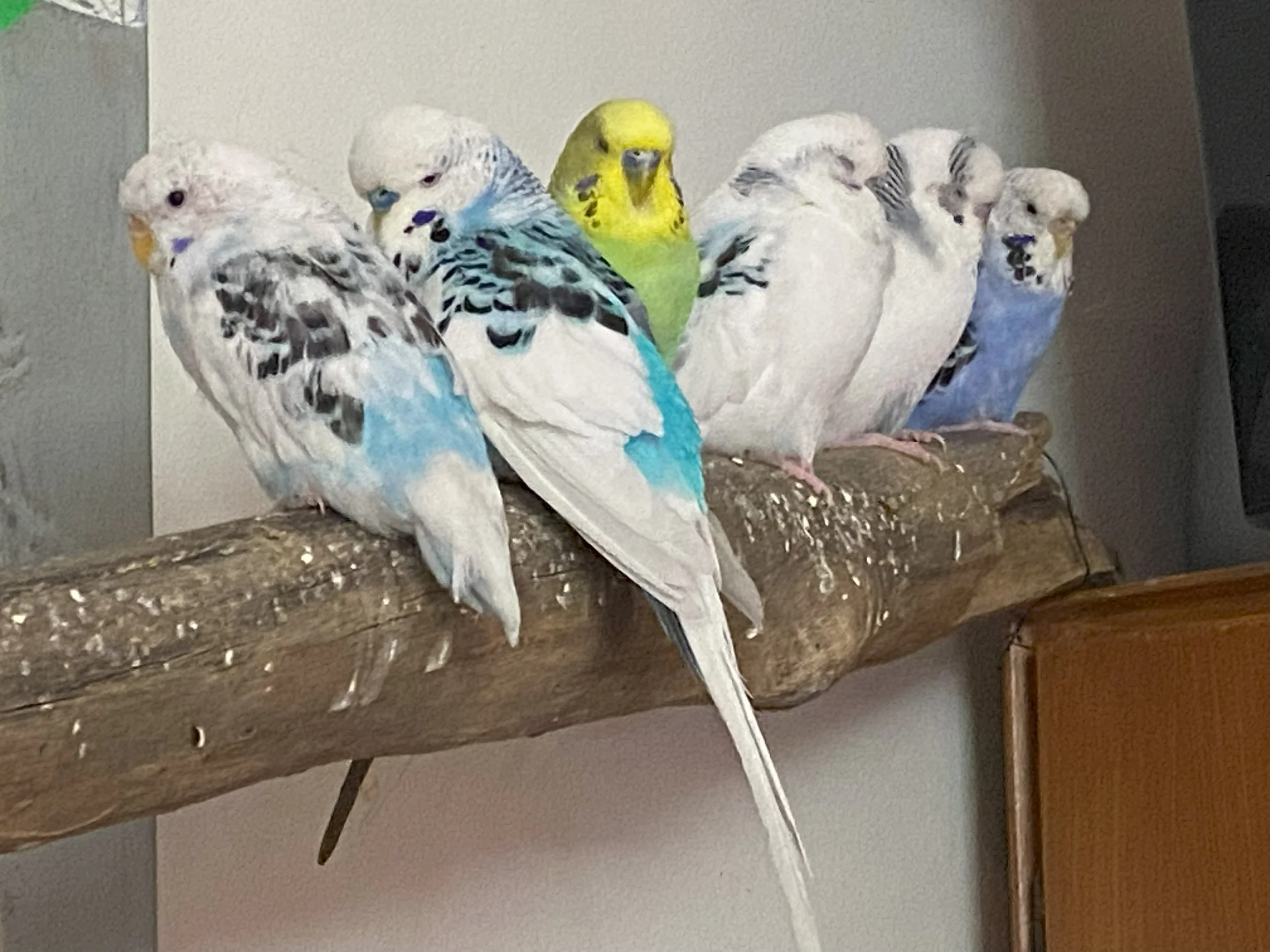
At the beginning of 2021, Dad gave me a budgie and a cage. Jackson became my best friend and helped me climb out of a dark, isolated period. Then came Jemima, and eventually a much larger feathered household.
The birds were instrumental in my healing, teaching me how to socialize again after years of trauma and isolation.
08 / Founder of Global Stage Management™
Why I
built GSM.
GSM was not born from collapse. It was the execution of a long-standing commitment.
At sixteen, I set out to become part of the solution at structural scale. Media provided systems exposure. Collapse provided depth. Rehabilitation restored capacity.
GSM is the convergence of those phases — not a reaction to any single one of them.
I built it because decades of observation — corporate, social, institutional, and personal — revealed systemic misalignment that requires integrated design.
Alongside a friend, I developed the Bridge Help Scale Card during the hardest years. That work developed into the Mind Bridge Card™: a compact framework for perspective, clearer thinking and principle-led decisions.
What kind of infrastructure would stop people from falling this far — especially the ones who were trying to contribute before they broke?
Human Response Architecture™ carries that question into a proposed systems discipline: Understand → Reorganise → Restore. Begin with the whole human situation, reorganise the conditions that sustain distress, and restore human capacity.
Global Stage Management™ is the wider architecture connecting human capability, enterprise, culture and opportunity. Windland™ is its proposed regional application, beginning in Albury–Wodonga and the surrounding region.
My mission isn’t to accumulate wealth or status but to create a company and culture that integrates people across boundaries, encouraging unity and purpose.
09 / The person carrying it forward
Still building.
Still Amos.
Despite the sometimes-rough path I have endured and, in some cases, instigated, I am proud of this district, its people, and their potential.
I am exceedingly grateful to every individual who has invested time and energy into my life along the way. To those who have extended patience and understanding as I’ve been going through my period of rehabilitation, I extend my heartfelt thanks. I apologize to anyone I may have hurt or embarrassed during my unravelling, especially family, friends, and colleagues.
I’m a son, a brother and an uncle to six nieces and nephews. Family, creative work, the birds and Coco all belong in the picture. I’m still interested in making things that are useful, ambitious and unmistakably alive.
Conventional I am not, yet I understand convention. Psychological disruption is often the way I communicate, but I integrate into what is without being controlled by what is.
Never Assume
Anything™.