Execution Capacity Infrastructure
Targeted capital participation supporting founder execution continuity during early activation phases
This infrastructure program supports stabilisation of operational environments required for early institutional engagement and national system development readiness
Program Scope
Founder execution continuity and origin-site infrastructure stabilisation.
Capital Envelope
Up to $4M, deployed through milestone-linked participation aligned with execution stabilisation phases.
Nature of Participation
The capital participation framework presented here does not constitute an investment offering, equity solicitation, financial return structure, or charitable appeal.
Participation is structured as milestone-linked stabilisation capital supporting execution continuity during early activation phases of system development.
Its purpose is to strengthen operational conditions required for institutional negotiation, partnership formation, and responsible implementation readiness.
Why Execution Stability Matters
Early-stage system development concentrates execution responsibility within a single leadership node. During this phase, the continuity of work is closely linked to the stability of daily operating conditions supporting strategic focus and coordinated progress.
Stabilised environments reduce operational volatility, protect decision clarity, and strengthen delivery readiness during periods of intensified national engagement, negotiation, and system formation.
Participation at this stage contributes directly to execution continuity — supporting the conditions required for responsible development rather than expansion.
Transitional Execution Base
Early activation phases require a stable and predictable operating environment capable of supporting sustained strategic focus and coordinated system development.
A transitional execution base provides the practical conditions necessary to maintain continuity across writing, design, communications, stakeholder engagement, and decision-making processes during periods of intensified national and institutional interaction.
This environment also supports appropriate hosting capacity for strategic discussions, enables ongoing physical recovery and performance stability, and reduces the fragmentation that arises when core work functions are distributed across unstable or temporary settings.
Predictable daily operating conditions protect negotiation performance, strengthen decision clarity, and sustain execution continuity during critical formation stages.
Long-Horizon Origin Site Stabilisation
Stabilisation of the origin site is identified as a critical requirement for reducing persistent environmental instability and establishing a dignified, functional leadership base aligned with long-term system development responsibilities.
A stable origin environment supports integrated operational functionality by consolidating administrative, production, recovery, and coordination activities within a single coherent setting. This reduces logistical friction and strengthens execution continuity during extended development and engagement phases.
Stage 1 — Environmental Stabilisation
Initial works focus on establishing safe and reliable habitation conditions alongside essential supporting infrastructure. This includes structural remediation, foundational site improvements, development of required service and storage facilities, and the creation of climate-appropriate aviary environments consistent with existing operational needs.
Stage 2 — Integrated Site Consolidation
Subsequent development phases enable expanded operational capacity through the introduction of dedicated production and recording spaces, administrative work environments, wellness and recovery infrastructure, and appropriate hospitality and meeting settings. These additions support sustained execution performance while strengthening long-horizon continuity.
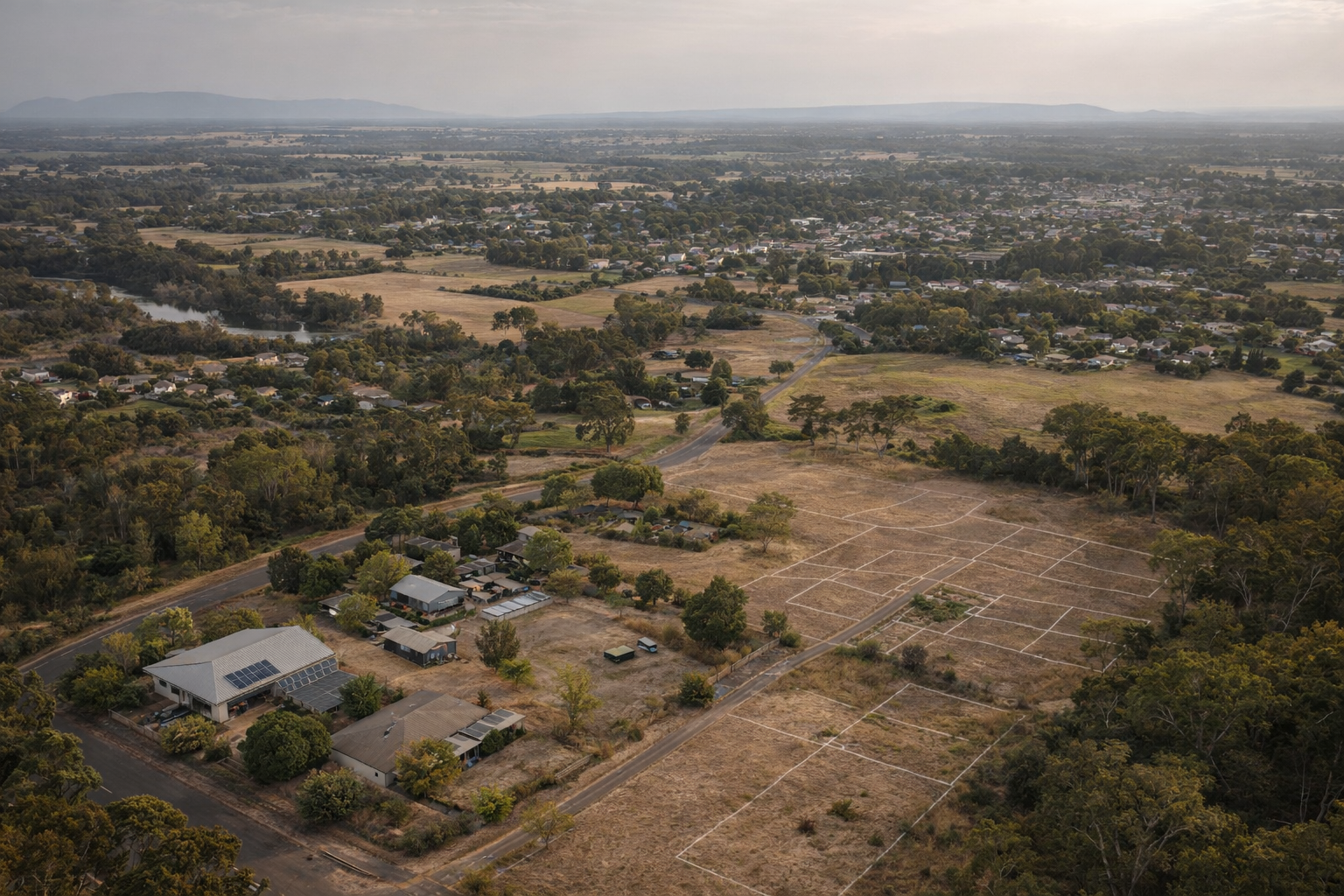
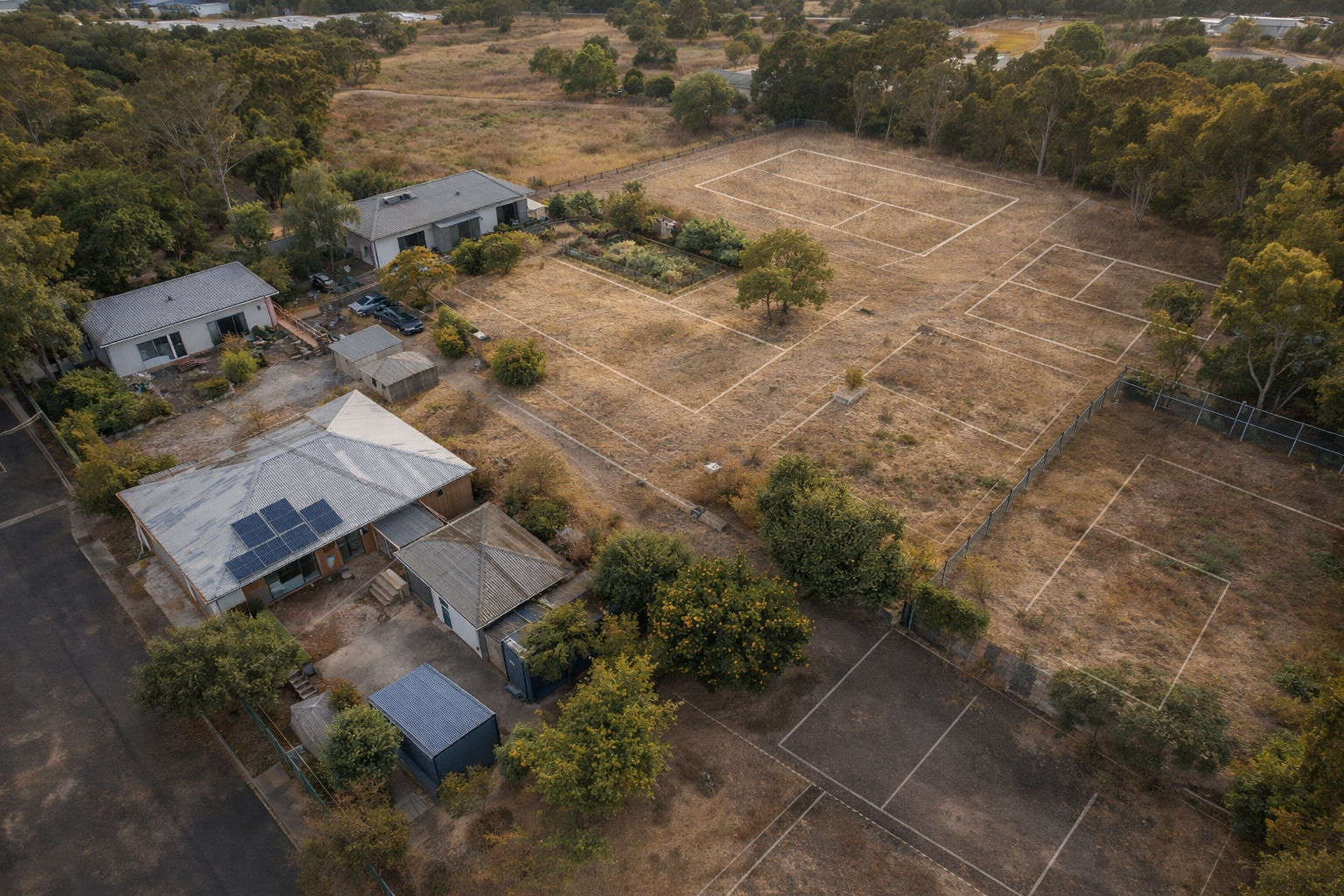
Conceptual spatial planning material is provided to support understanding of intended capacity infrastructure and execution continuity design logic. These illustrations represent long-horizon planning context rather than immediate development commitment.
Visual Planning Material
Conceptual spatial planning illustrations are provided to support understanding of the intended capacity infrastructure and the underlying execution continuity design logic.
These materials communicate long-horizon planning context and staged development thinking rather than representing immediate construction commitments or fixed implementation timelines.
Operational zoning reference — execution base spatial sequencing
Capital Participation Structure
The current execution capacity infrastructure phase requires up to $4 million in structured capital participation.
This funding envelope supports stabilisation of core operational environments necessary for early national engagement readiness.
Participation is structured through milestone-linked deployment aligned with execution stabilisation phases rather than a single capital release.
Deployment occurs across milestone-linked phases within the $4M capital envelope.
This approach ensures that funding supports defined capacity conditions as they are established, maintaining accountability, sequencing discipline, and operational clarity throughout early activation stages.
Capital participation contributes directly to:
• Stabilisation of core execution environments
• Activation of essential capacity infrastructure
• Continuity safeguards during national engagement phases
• Early operational readiness aligned with institutional development pathways
Participation is not intended to support:
• Discretionary expansion activities
• Personal lifestyle enhancement
• Unrelated commercial or property speculation
The capital envelope reflects execution capacity formation requirements, not asset accumulation objectives.
Governance & Independence
Participation in execution capacity infrastructure occurs within clearly defined governance boundaries.
Support contributes to stabilisation of operational conditions and execution continuity, but does not influence the strategic direction, governance integrity, or system architecture decisions of Global Stage Management™ or its initiatives.
This separation ensures that capital participation strengthens execution readiness while preserving institutional independence, leadership accountability, and long-horizon system coherence.
Participation supports execution conditions only.
Participation Pathways
Participation in execution capacity infrastructure may occur through structured engagement pathways aligned with stabilisation and activation phases.
Participation pathways are tailored to the scale, nature, and institutional context of engagement.
These pathways may include:
• Structured capital participation aligned with defined infrastructure domains
• Milestone-linked deployment supporting staged execution continuity
• Strategic co-participation across relevant capacity infrastructure areas
• Staged infrastructure support coordinated through governance-aligned frameworks
Engagement is structured to ensure clarity of scope, sequencing discipline, and alignment with execution readiness requirements.
Infrastructure Participation Registration
Participation in execution capacity infrastructure is structured through milestone-aligned engagement pathways.
This form enables individuals or organisations to register interest in potential structured participation aligned with defined capacity stabilisation domains.
Submission does not constitute commitment and is used to facilitate structured discussion where appropriate.