The People the System Finds Inconvenient
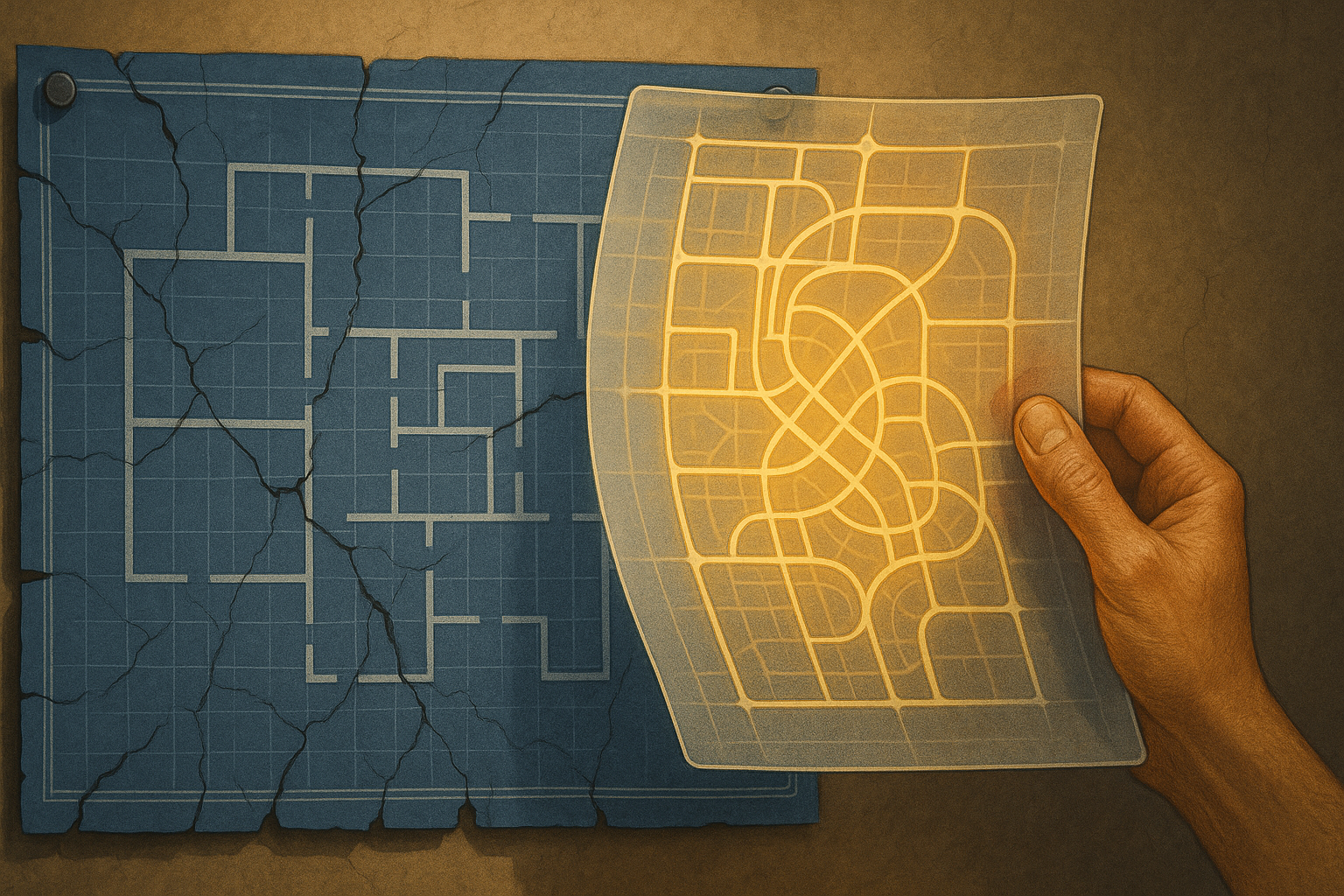
Why humanity’s future depends on those who don’t fit the template.
Designed for Convenience, Not Accuracy
Look closely at modern public health systems, social services, education models, and support frameworks, and you’ll see the same pattern: they work beautifully for the people who fit the template.
The predictable ones.
The neat ones.
The ones whose lives follow linear pathways and whose behaviours match the categories.
These people get appointments.
They get plans.
They get solutions.
Not because they are more deserving — but because they are easier.
Public systems optimise for convenience, not reality. They’re built to process large numbers of predictable humans, not the full complexity of humanity. And so anyone who doesn’t fit the pre-designed mould is treated as a disruption to workflow rather than a legitimate person with legitimate needs.
The model isn’t broken —
it’s just designed for the wrong kind of human.
When Humans Don’t Fit the Boxes
The moment someone shows up whose life doesn’t neatly map onto a screening form or a pre-coded risk category, the system starts to glitch.
They become:
“Too complex.”
“Non-compliant.”
“High risk.”
“Unstable.”
Or the ultimate dismissal:
“Hard to help.”
But none of those labels describe the person.
They describe the model’s inability to hold the person.
These individuals are not difficult —
the framework is primitive.
Instead of expanding the system to meet the complexity of real humans, the system shrinks the definition of “acceptable” until only a small percentage of the population fits inside it. Everyone else gets handballed, deferred, fobbed off, waitlisted, or quietly ignored.
This isn’t because we lack resources.
It’s because we lack architecture.
We lack imagination.
We lack the structural intelligence to build models that reflect how people actually exist.
The Blueprint Hidden in the Misfits
Here is the irony that almost no one sees:
The people the system avoids are the blueprint for the system humanity needs next.
Those who don’t fit the boxes reveal where the current boxes are failing.
They show the limits of our thinking, the rigidity of our models, and the fragility of our assumptions.
The ones who overwhelm the system aren’t the problem.
They are the diagnostic tool.
Their lived experience exposes the exact points where the old model must evolve.
They carry, often unknowingly, the architectural requirements for a new form of society — one capable of supporting the full spectrum of human variance, not just the convenient end of it.
To treat them as burdens is not only cruel.
It is a catastrophic waste of human intelligence.
Complexity Is Not a Deficiency — It’s Data
When a person doesn’t map neatly to a pre-existing category, that shouldn’t be interpreted as disorder.
It should be interpreted as information.
Complexity isn’t a flaw.
It’s a signal.
It shows us where our frameworks oversimplify reality.
It shows us what our tools cannot yet measure.
It shows us that the world has evolved faster than the systems meant to support it.
Humanity is not failing.
Our infrastructure is.

The System That Can Hold Everyone
This is where GSM enters the conversation.
Global Stage Management™ is not built to serve only those who fit the template.
It is the first model intentionally designed to support the entire spectrum of human experience — from the predictable to the nonlinear, from the stable to the chaotic, from the convenient to the misunderstood.
GSM’s architecture does what public systems have never been able to do:
hold complexity at scale.
Where old frameworks collapse, GSM stabilises.
Where old frameworks punish variance, GSM translates it into value.
Where old frameworks label people as problems, GSM recognises them as the blueprint for the future.
Because if you build a system that can genuinely support the most complex person,
you automatically build a system that can support everyone.
Humanity at a Crossroads
We are approaching a point in history where the old model’s limitations aren’t just inconvenient — they are dangerous.
Rising stress, fractured communities, social disconnection, collapsing trust, workforce burnout, institutional failures — none of these are random. They are the predictable consequences of systems that cannot accommodate the humans they’re supposed to serve.
We aren’t just outgrowing our old frameworks.
We’ve already outgrown them.
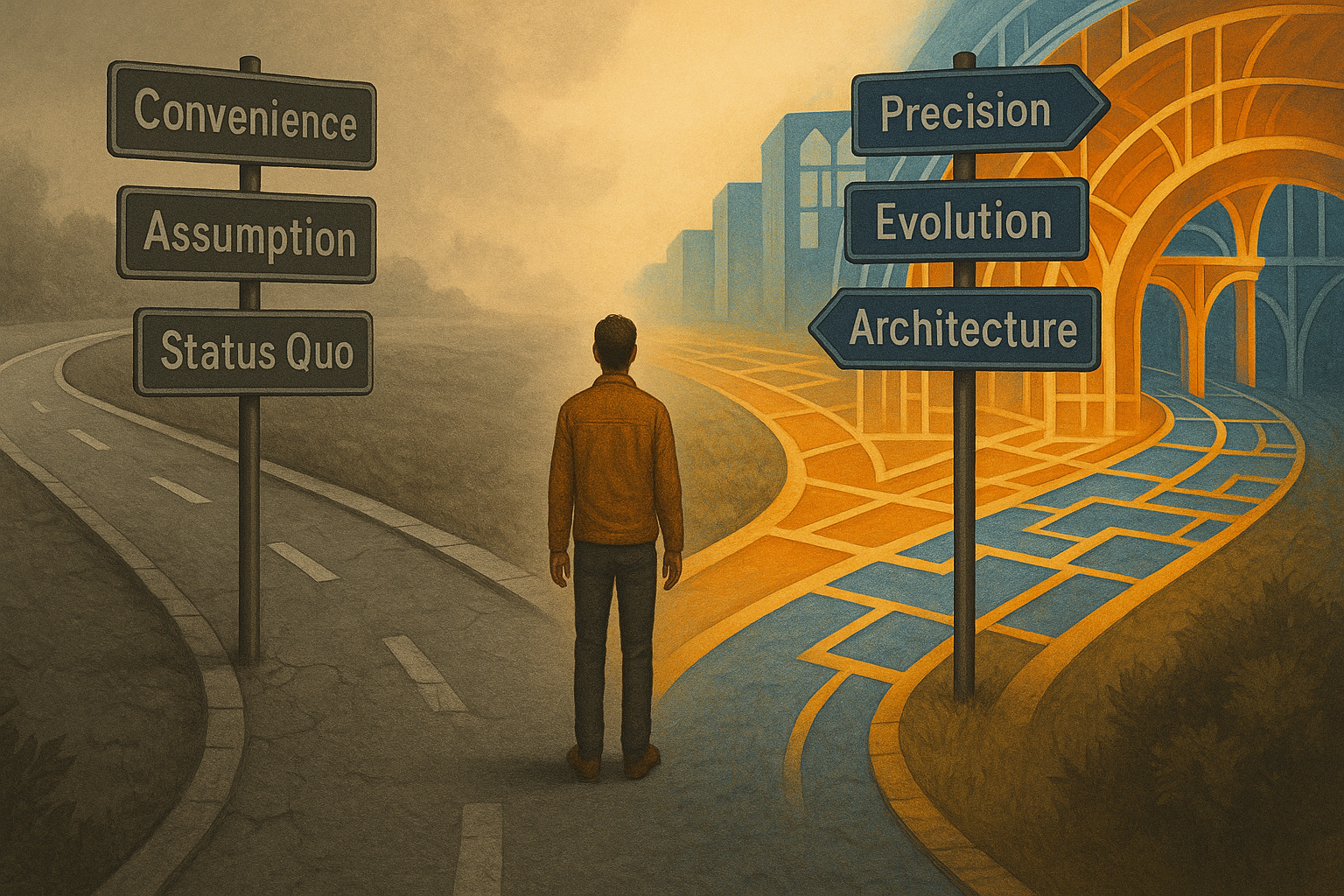
Humanity is standing at a crossroads:
Evolve the model — or collapse under its weight.
This isn’t kindness.
This isn’t idealism.
This is structural survival.
Future stability depends on systems that can accurately hold real human behaviour, not the simplified version that bureaucracies prefer.
The Future Belongs to the Ones the System Overlooked
Every person who was told they were too complex, too emotional, too disorganised, too reactive, too intense, too unpredictable —
these aren’t failures of character.
They’re failures of architecture.
The system didn’t know how to read them.
But GSM does.
And once a society begins designing systems that can hold those individuals, something extraordinary happens:
The very people the old model rejected become the ones who push humanity forward.
Because it’s never the easy cases that evolve a civilisation.
It’s the ones the old system couldn’t understand.
Closing Reflection
Public health models aren’t broken.
They’re just built for the wrong kind of human.
The future will be shaped by the people who don’t fit the boxes — not because they are difficult, but because they reveal where the next version of society must grow.
The systems that survive will be the ones that can support the entire human spectrum.
The ones that fail will be the ones that cling to convenience.
And the organisations building the future — GSM leading among them — will be the ones courageous enough to design for complexity, not hide from it.